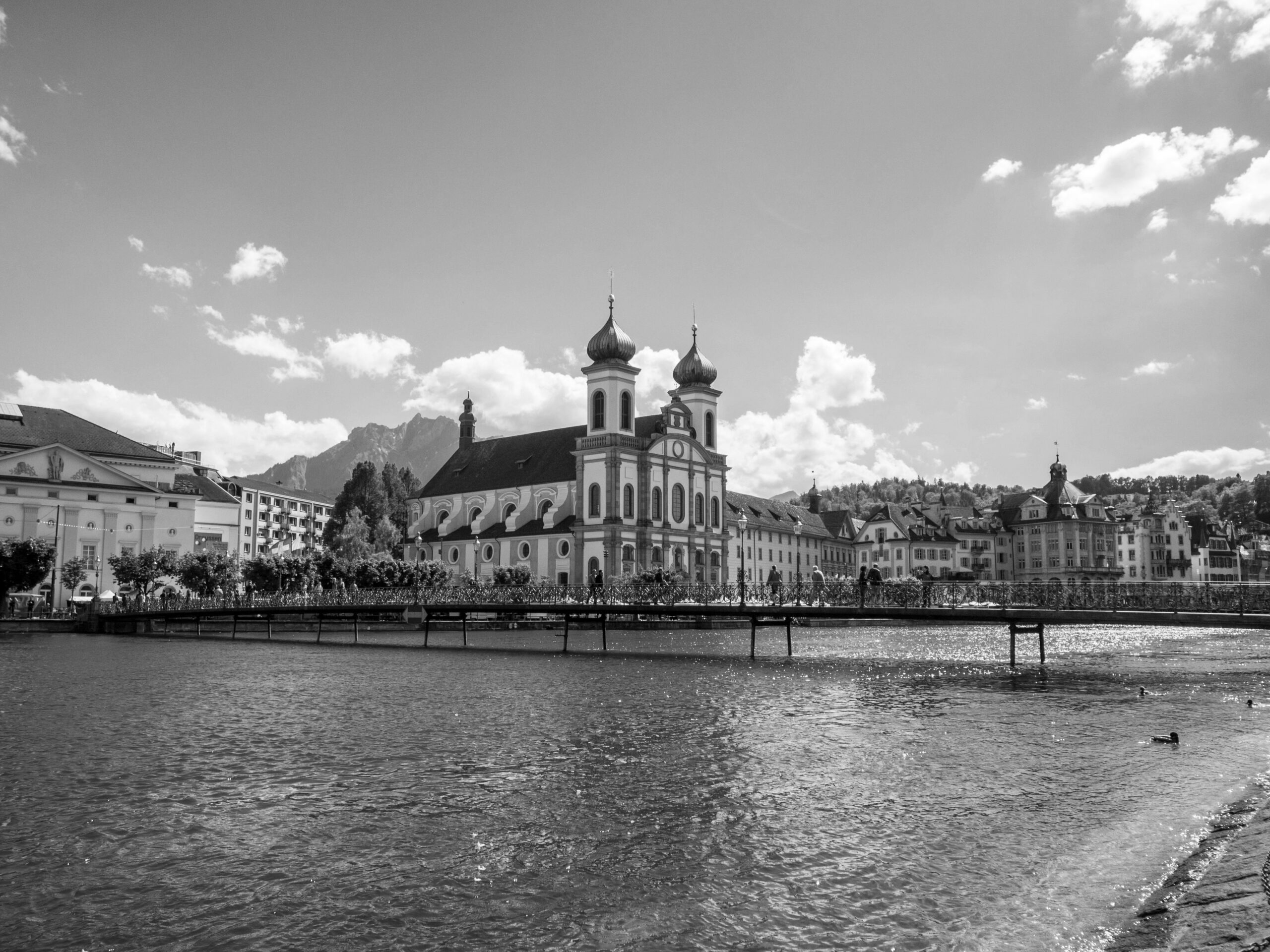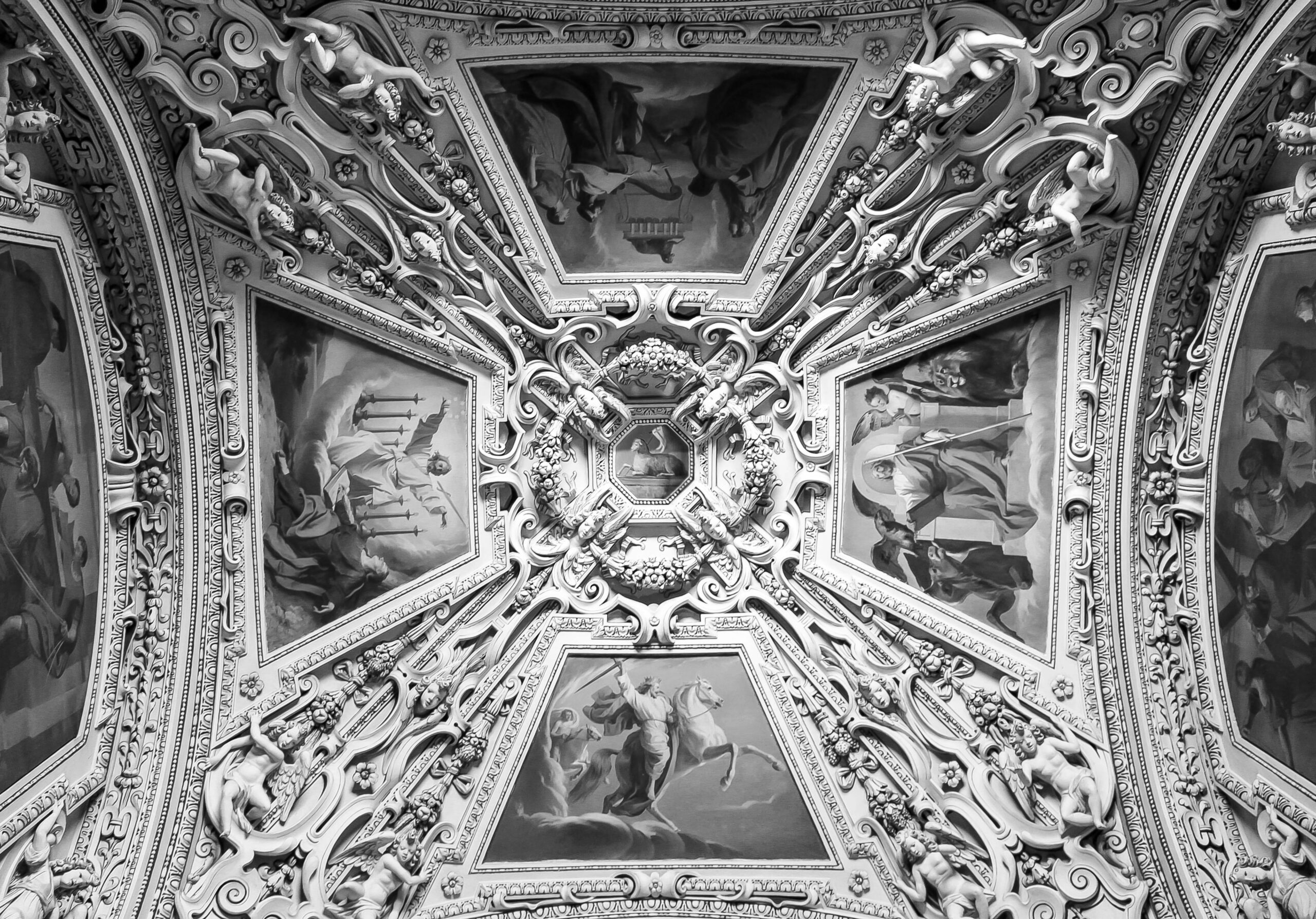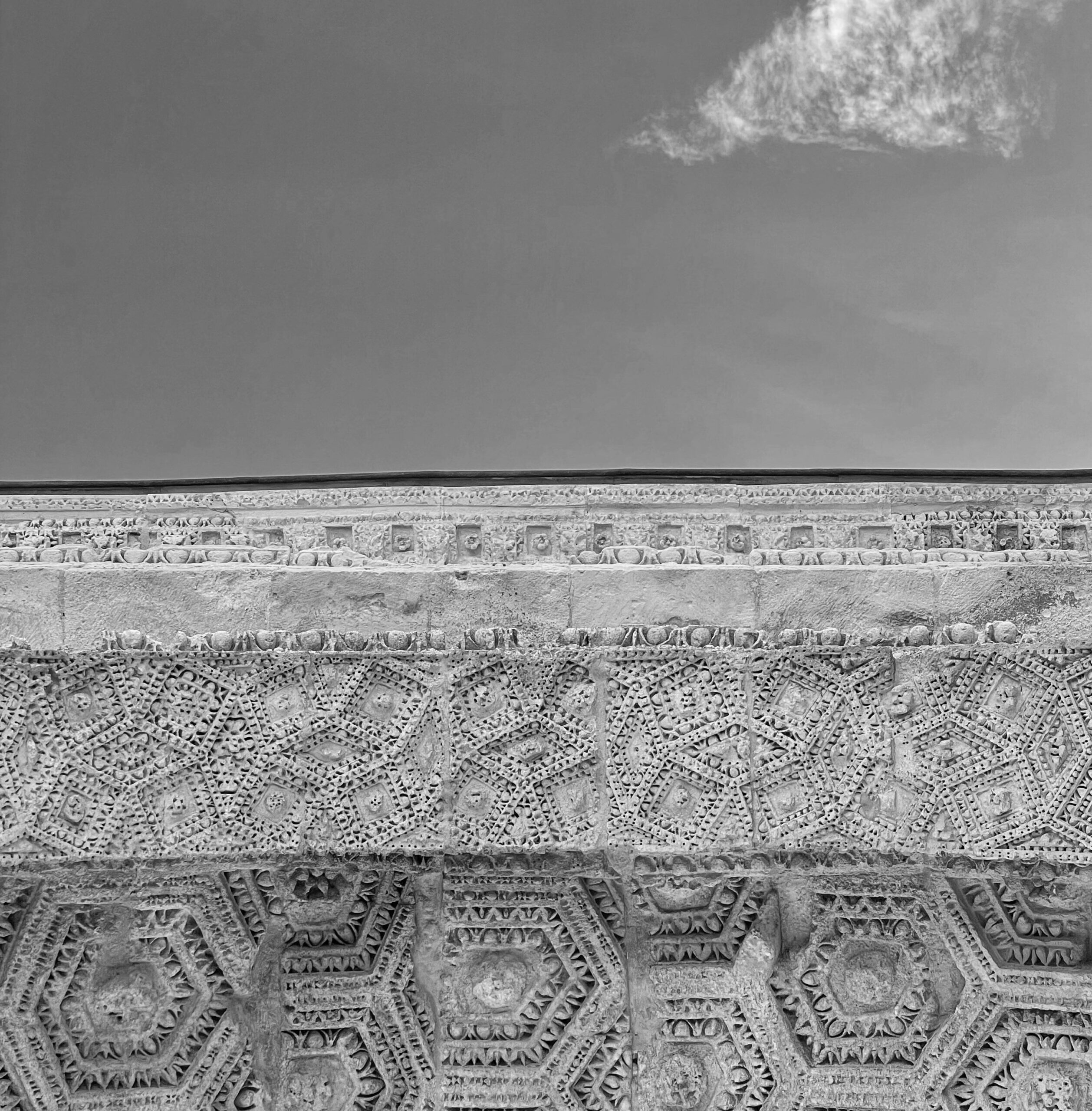
Bayreuth
The Bayreuth Festival's 150th Anniversary
From 27 July to 2 August 2026
Type of stay

Musical journeys

Availability

Inscriptions ouvertes

Price

From €6,300 per person

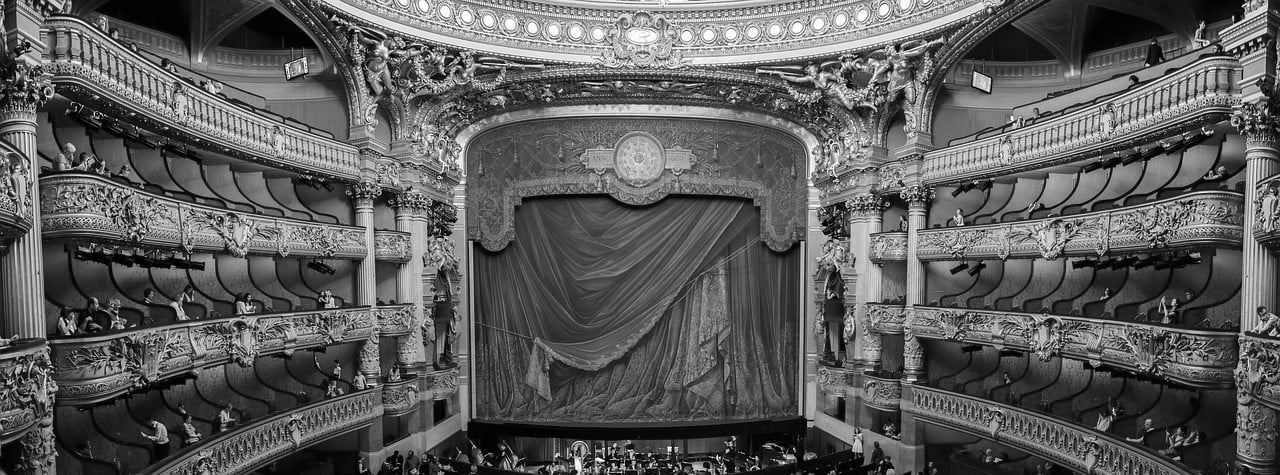
A milestone anniversary, an extraordinary edition! In 1876, Richard Wagner inaugurate a festival unlike any other, devoted exclusively to his own works. The greatest artists – Nietzsche, Debussy, Mann… – made pilgrimages here, and the theatre exudes a unique atmosphere, where the orchestra is hidden in the pit (‘the mystical abyss’, as Wagnerians call it!), creating acoustics that are unparalleled.


For its 150th anniversary, the Bayreuth Festival aimed to rival the legendary Ring production by Patrice Chéreau, presented for the centenary in 1976. One remembers the shockwaves caused by the French director’s theatrical vision, brought to incandescent life by Pierre Boulez’s orchestral direction. In 2026, the festival envisions a Tetralogy that is likely to generate just as much discussion. Here, there is no demiurgic stage director; instead, artificial intelligence will generate sets – sometimes within a single scene – drawn from the various stagings throughout the festival’s history. This astonishing fusion of memory and modernity will be guided by Christian Thielemann, one of today’s towering maestros.


As an option, we offer Beethoven’s Symphony No. 9, as well as the three other Wagner operas presented during this 2026 edition. First, the very rare Rienzi, an early opera conducted by the great French conductor Nathalie Stutzmann, alongside revivals of the highly acclaimed Flying Dutchman staged by Dmitri Tcherniakov, and the astonishing Parsifal, presented in ‘augmented reality’ with 3D glasses, envisioned by American director Jay Scheib. More than ever, the Bayreuth Festival continues to write and reinvent the history of opera.


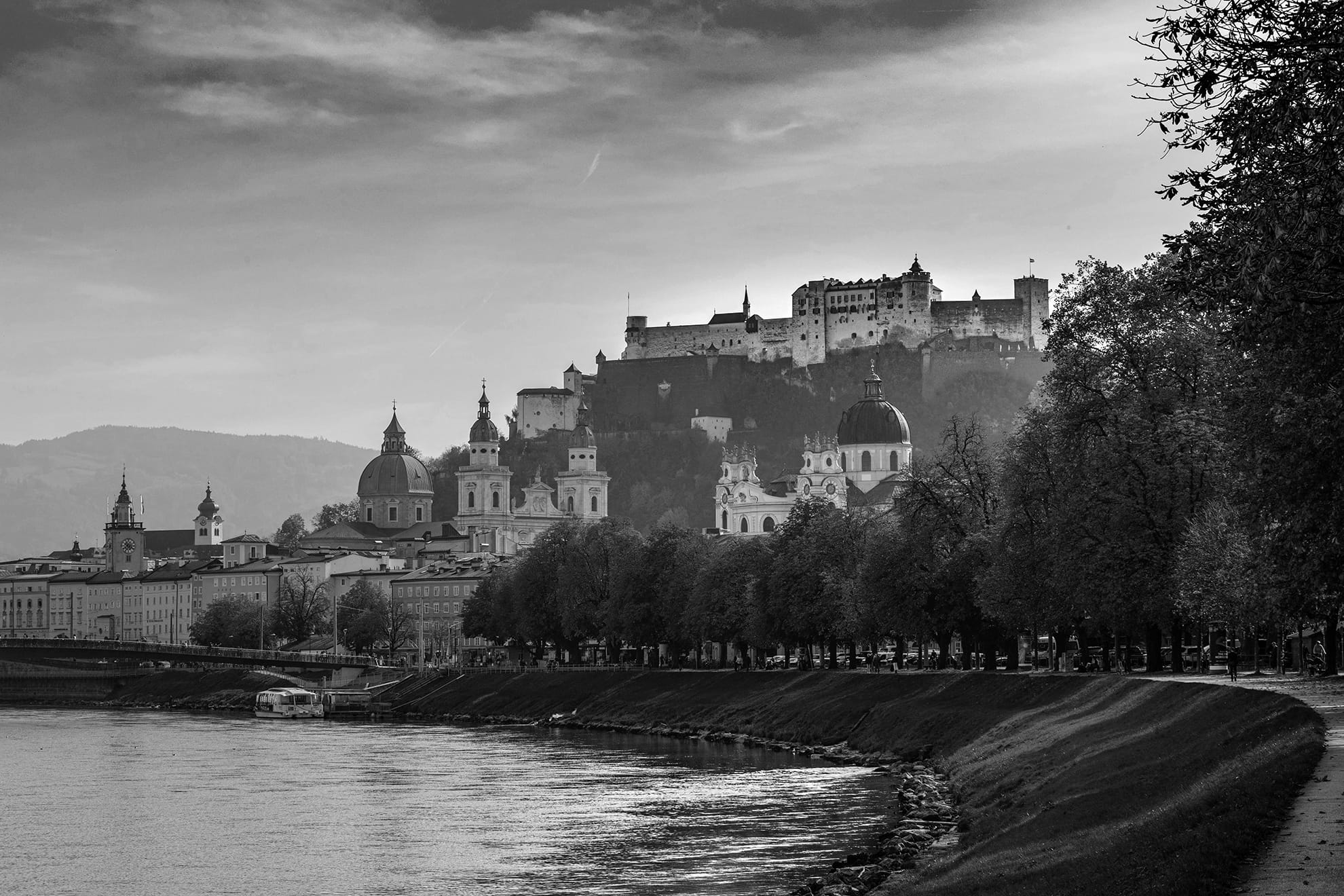
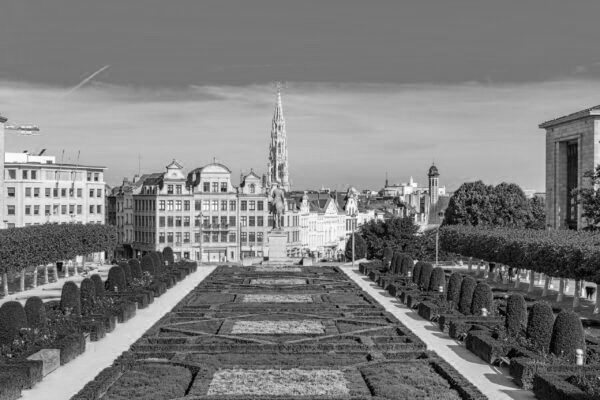
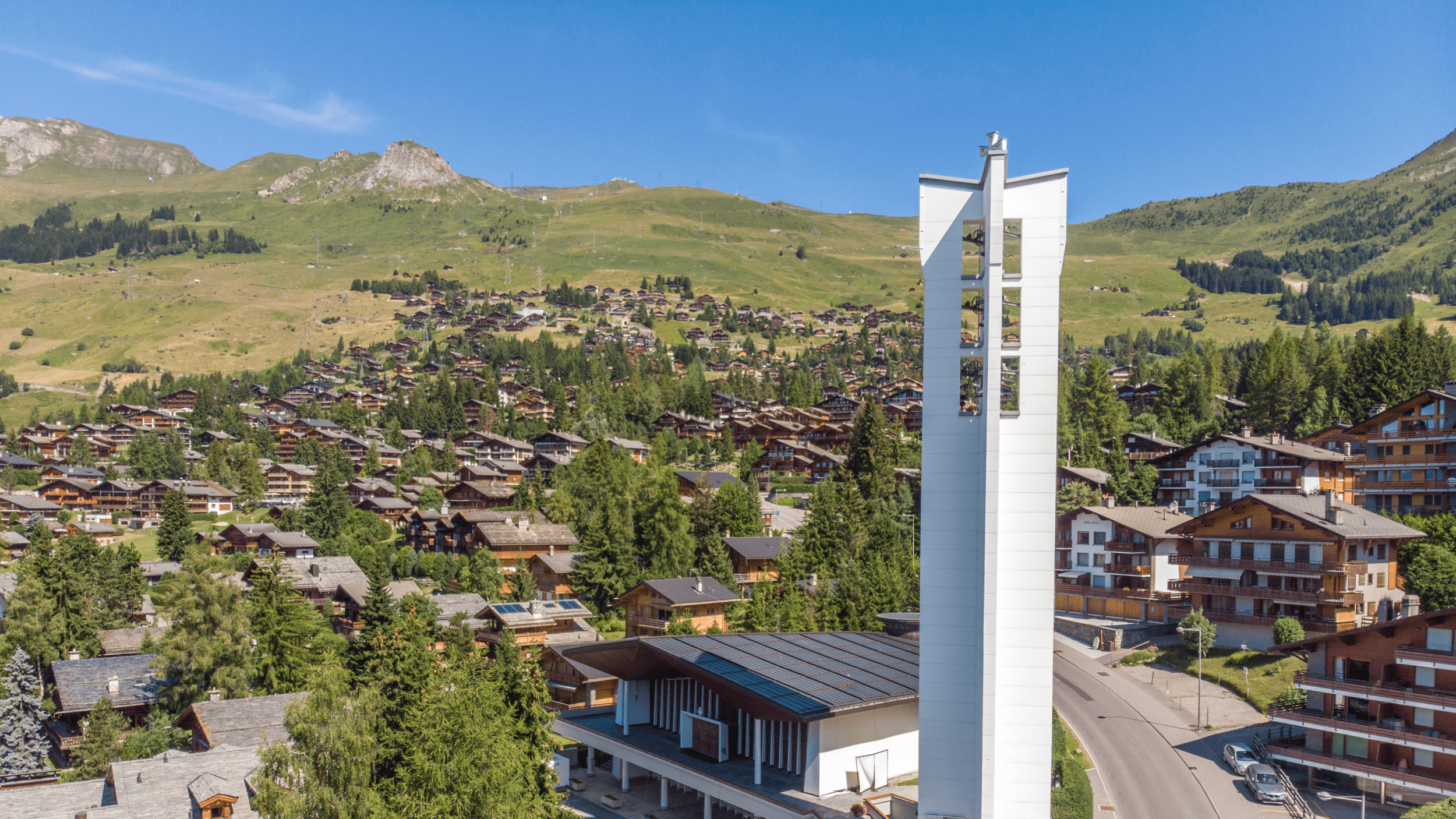
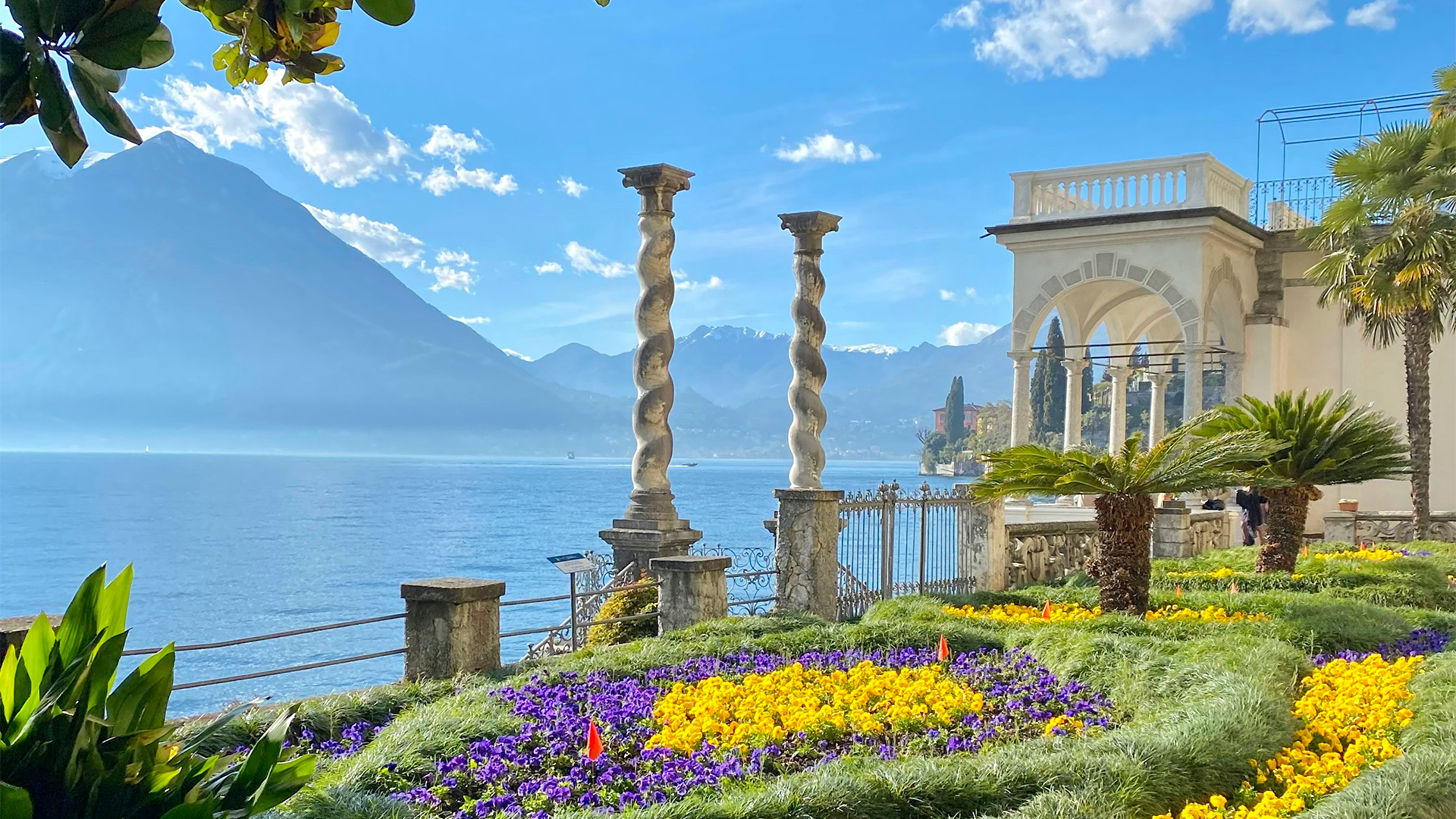
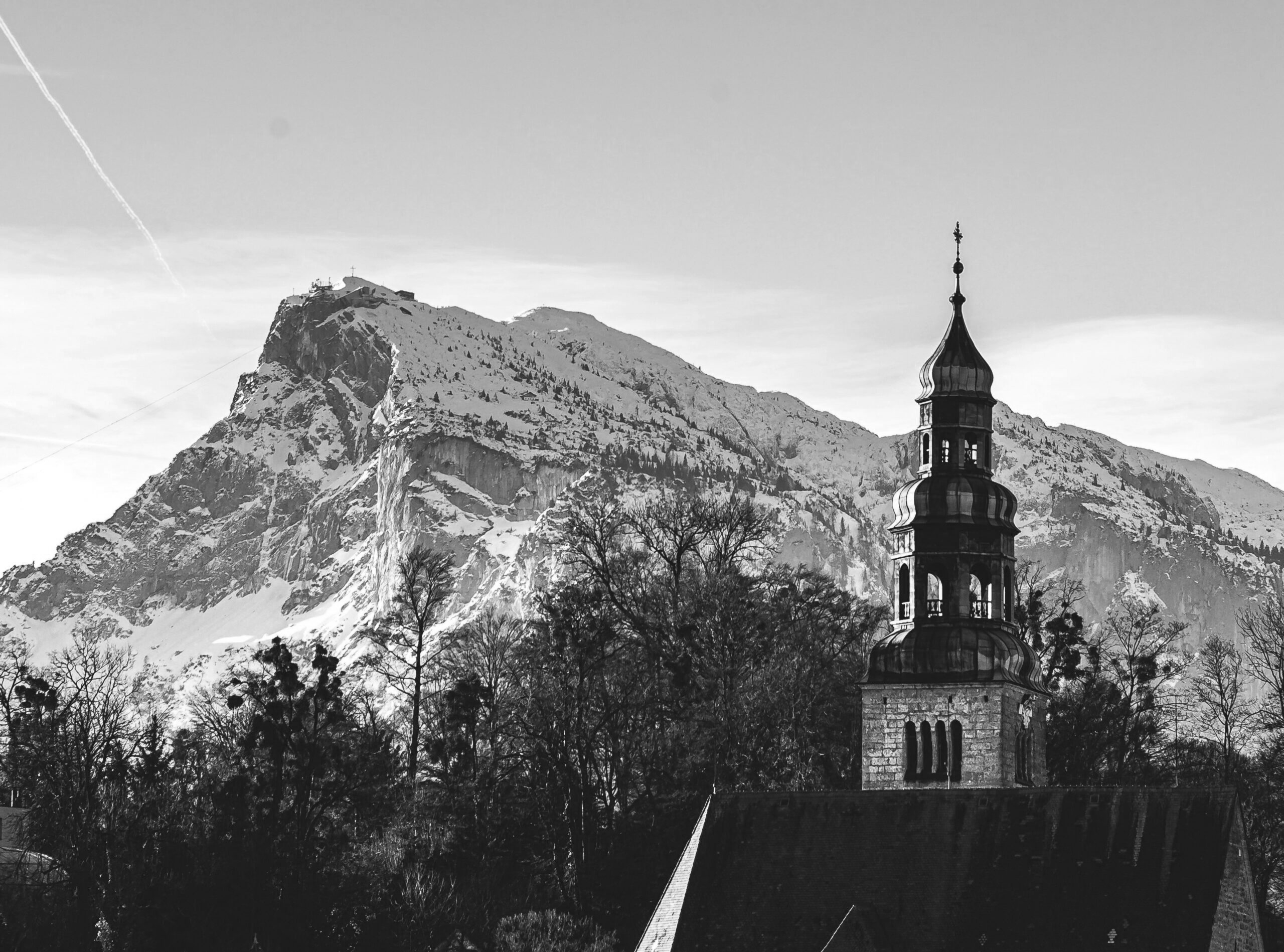
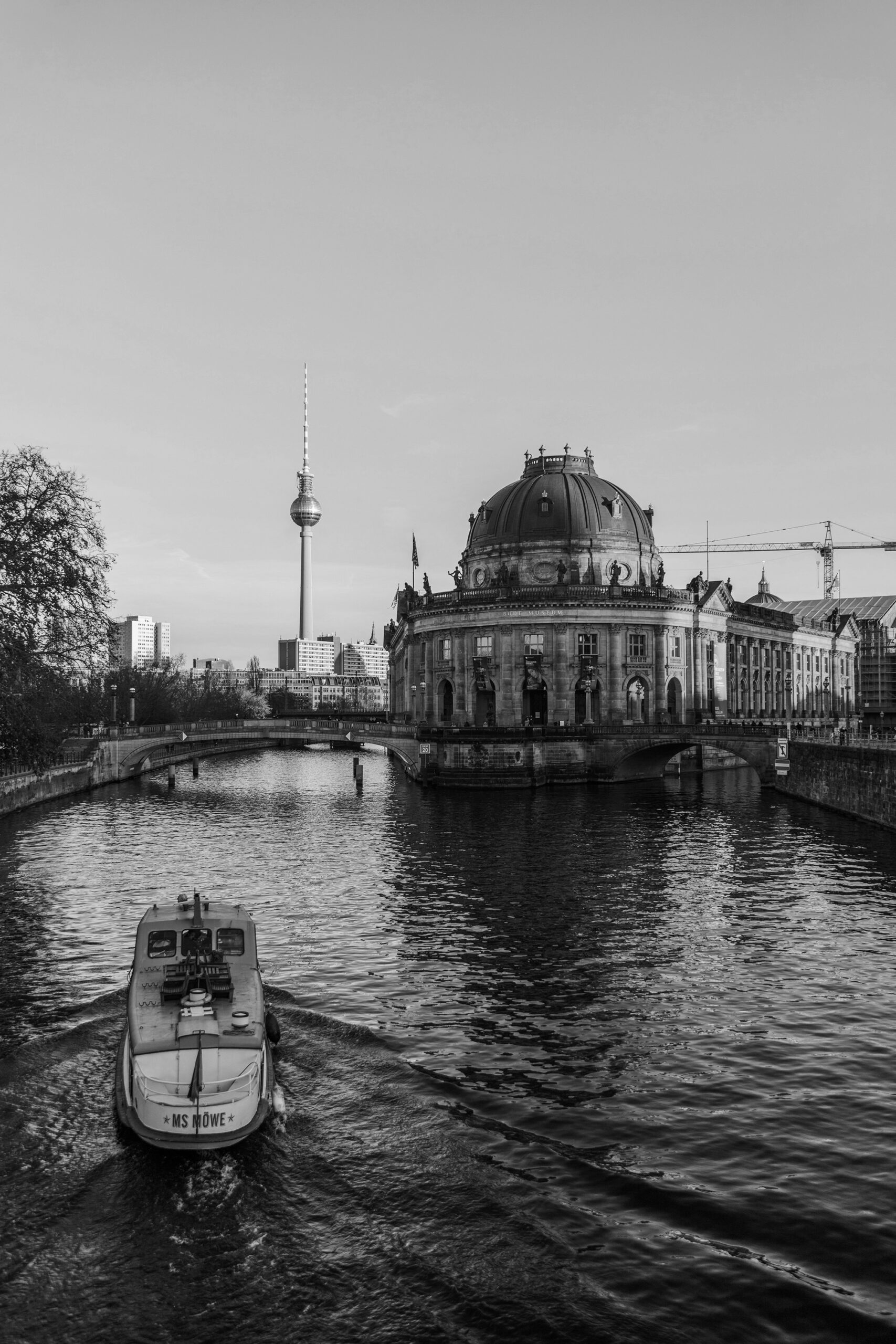
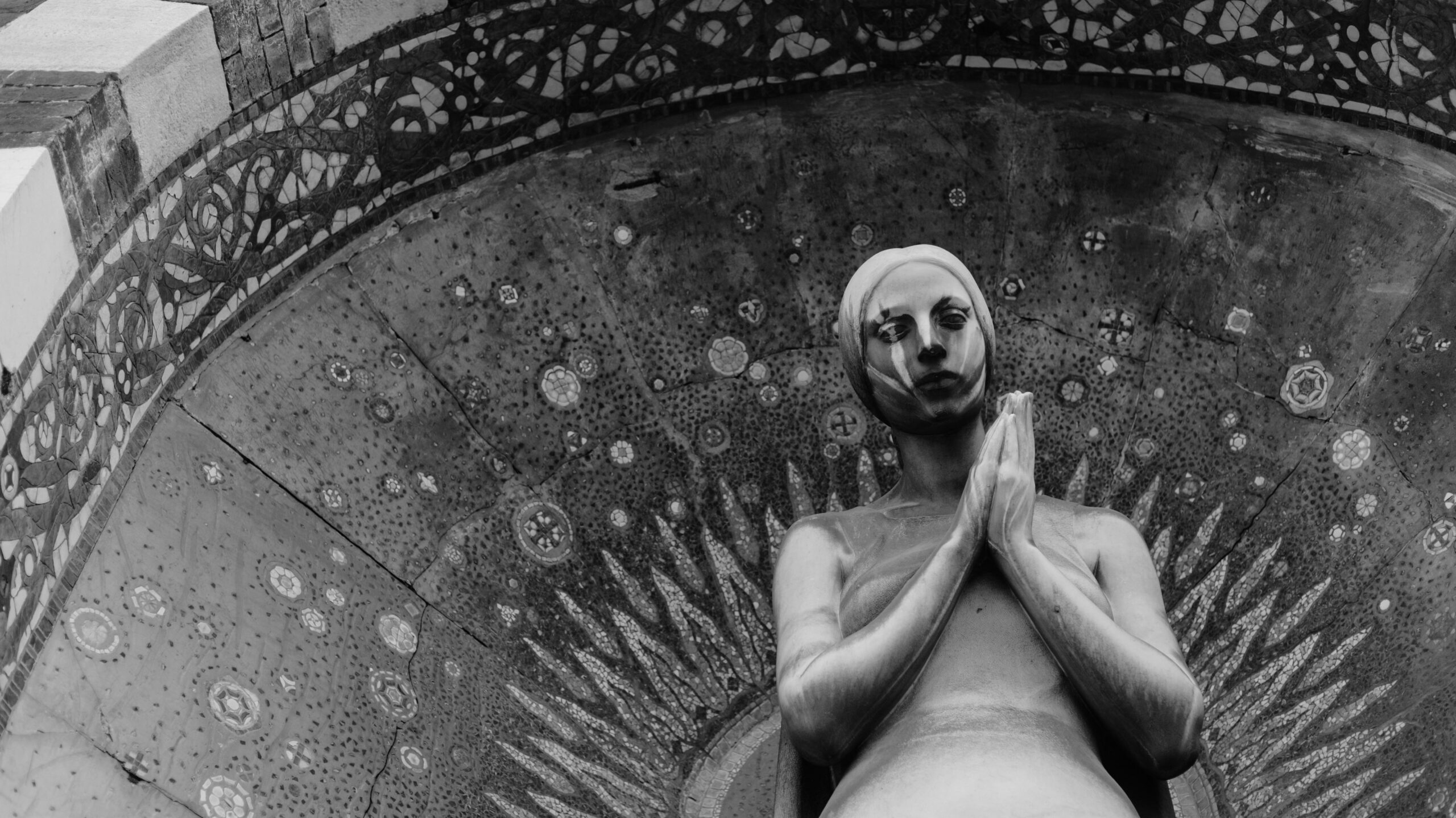
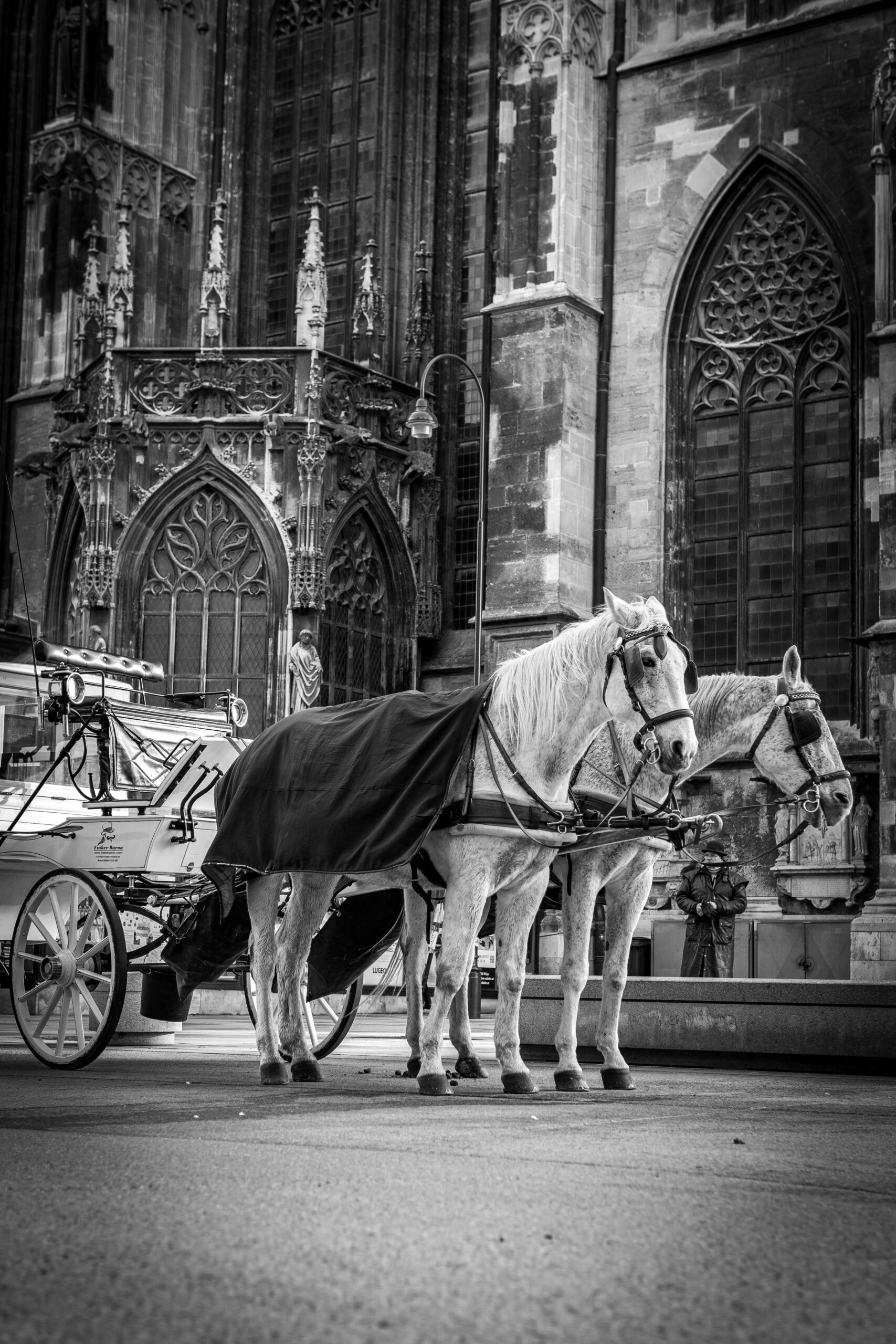
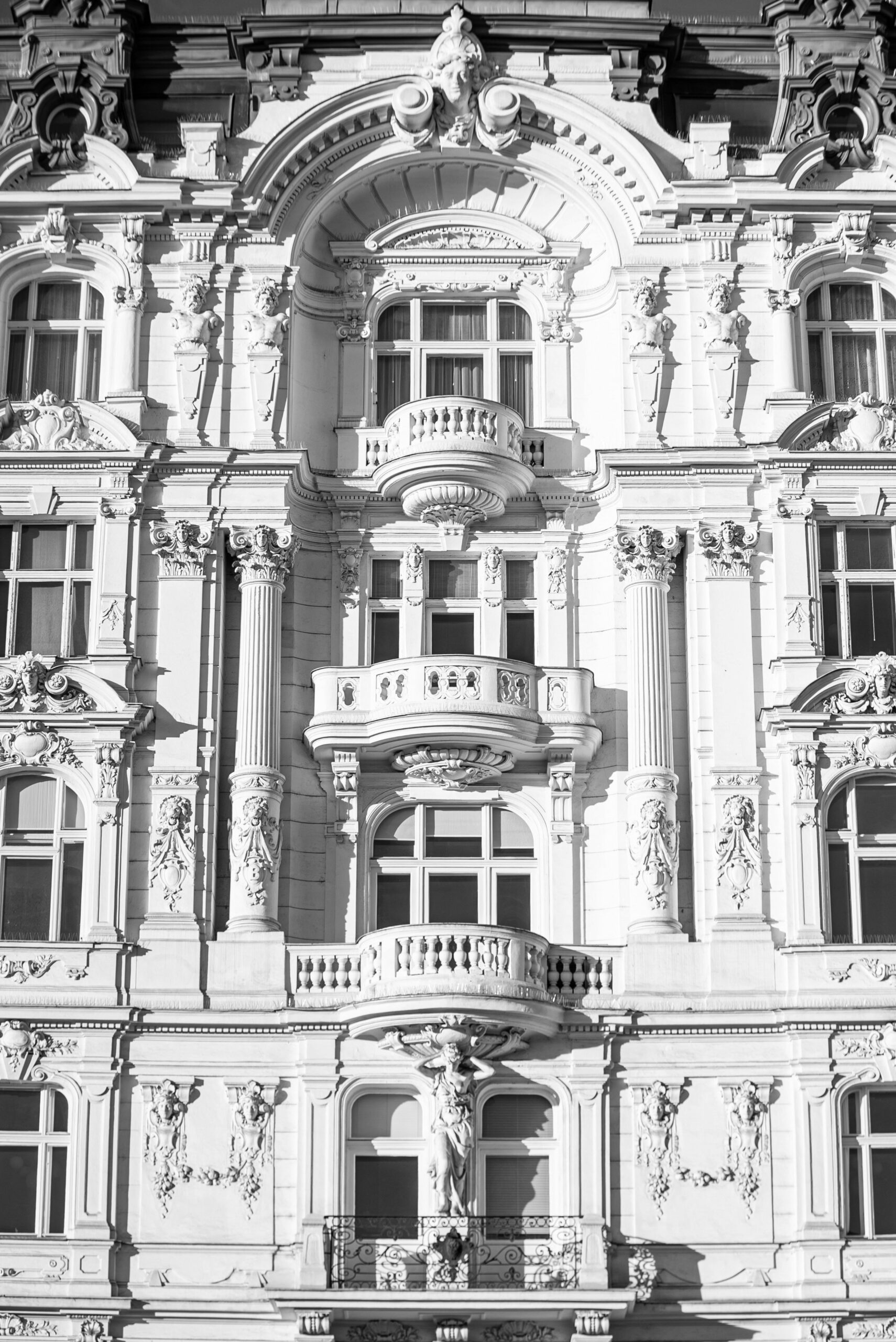
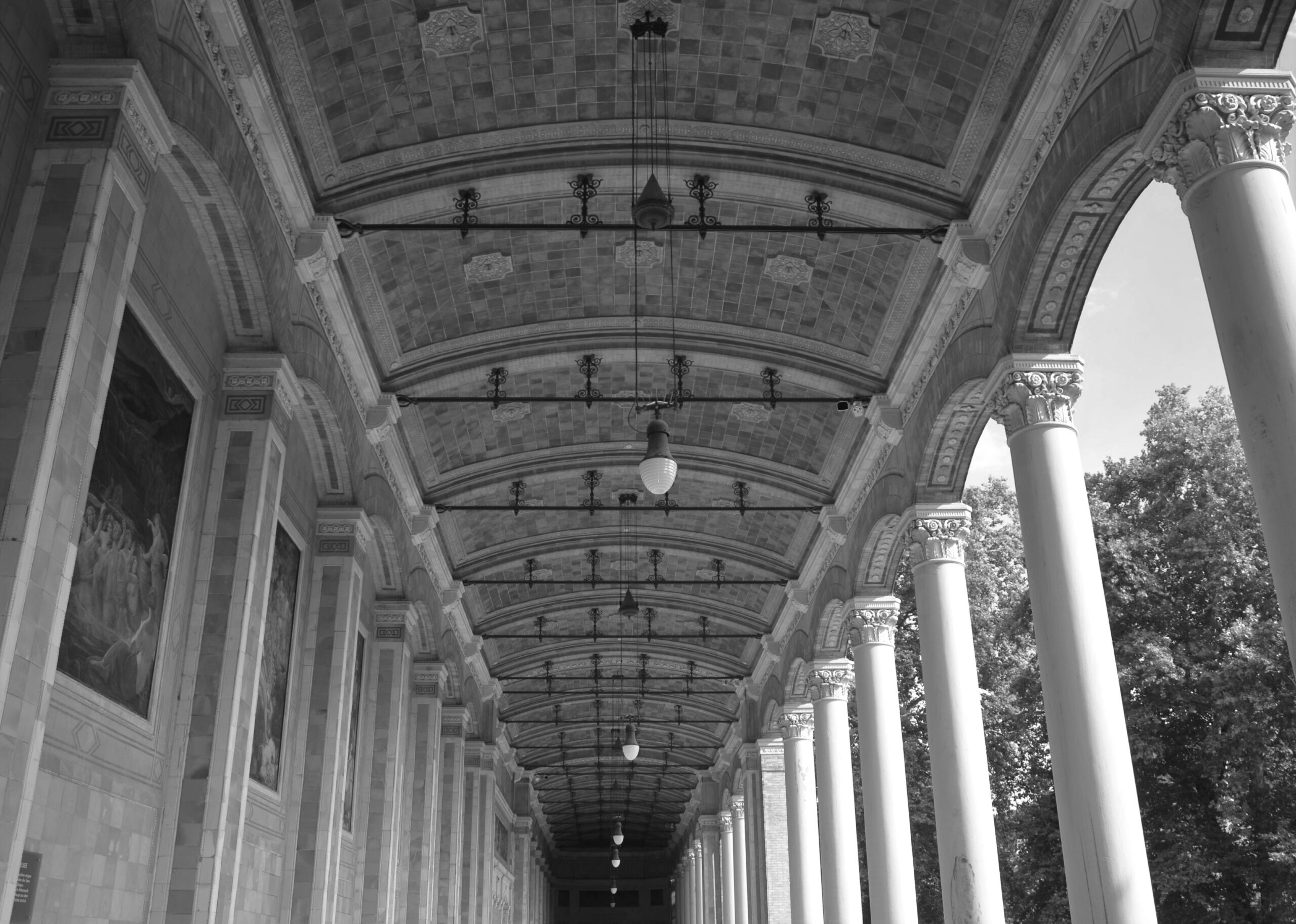
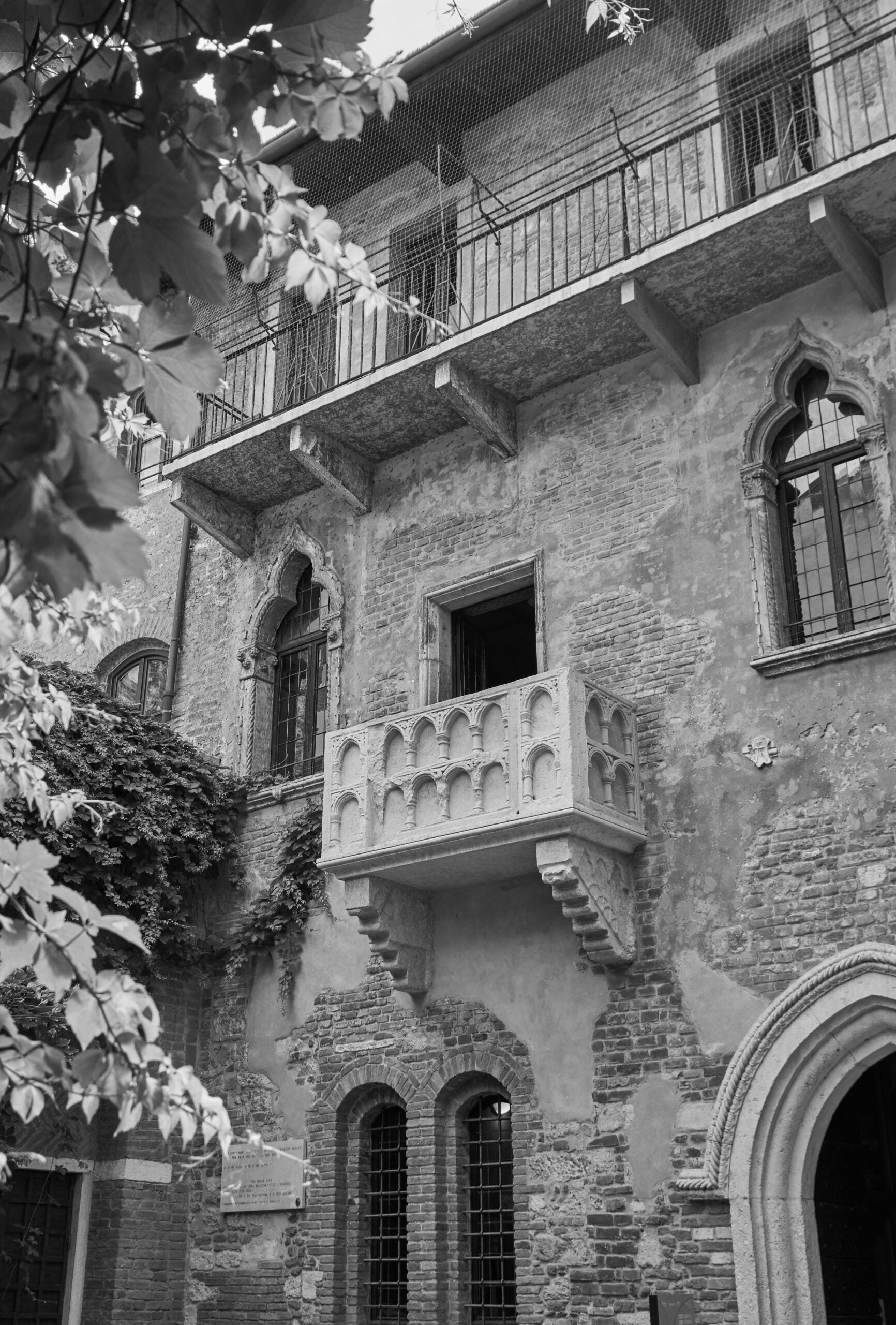
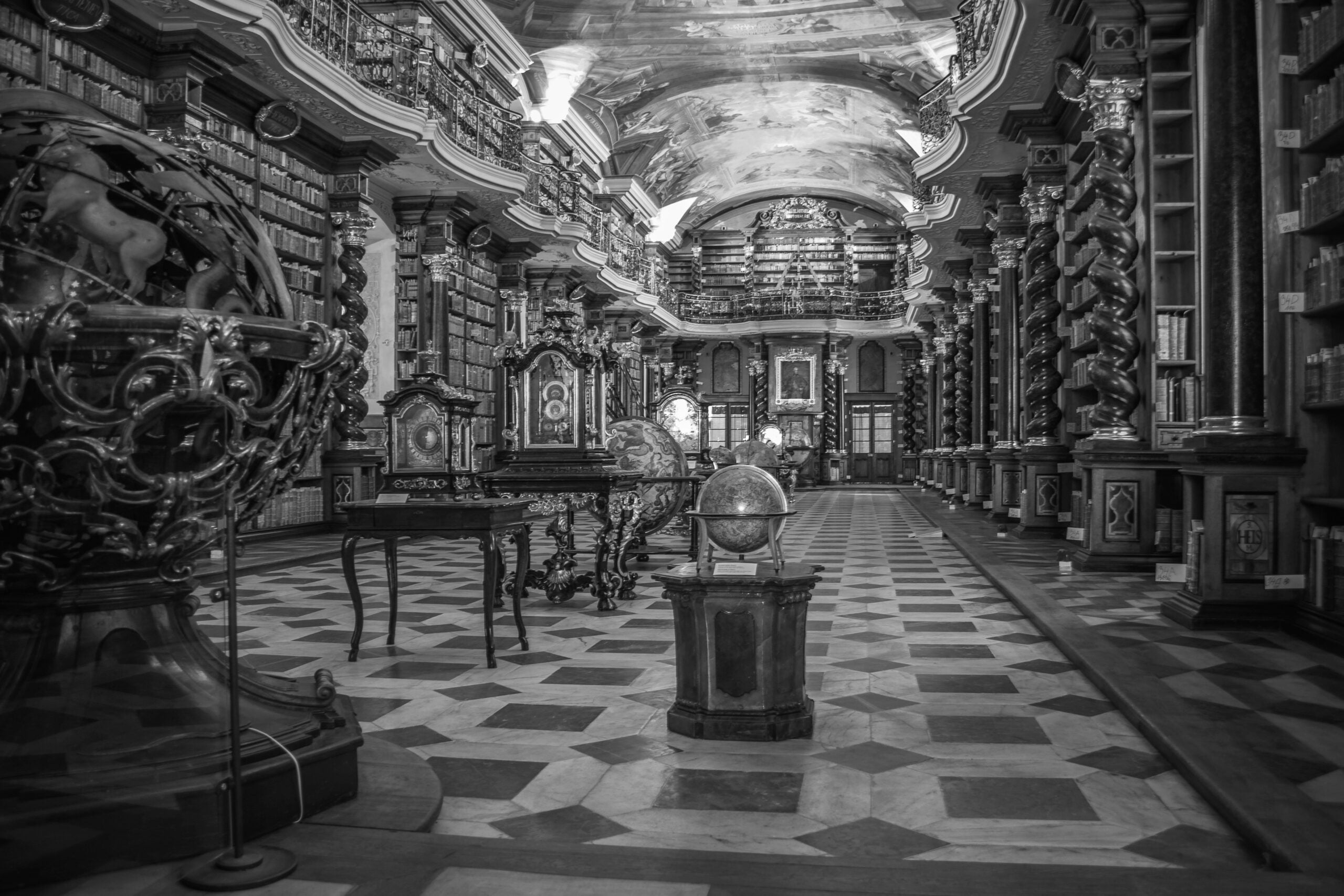
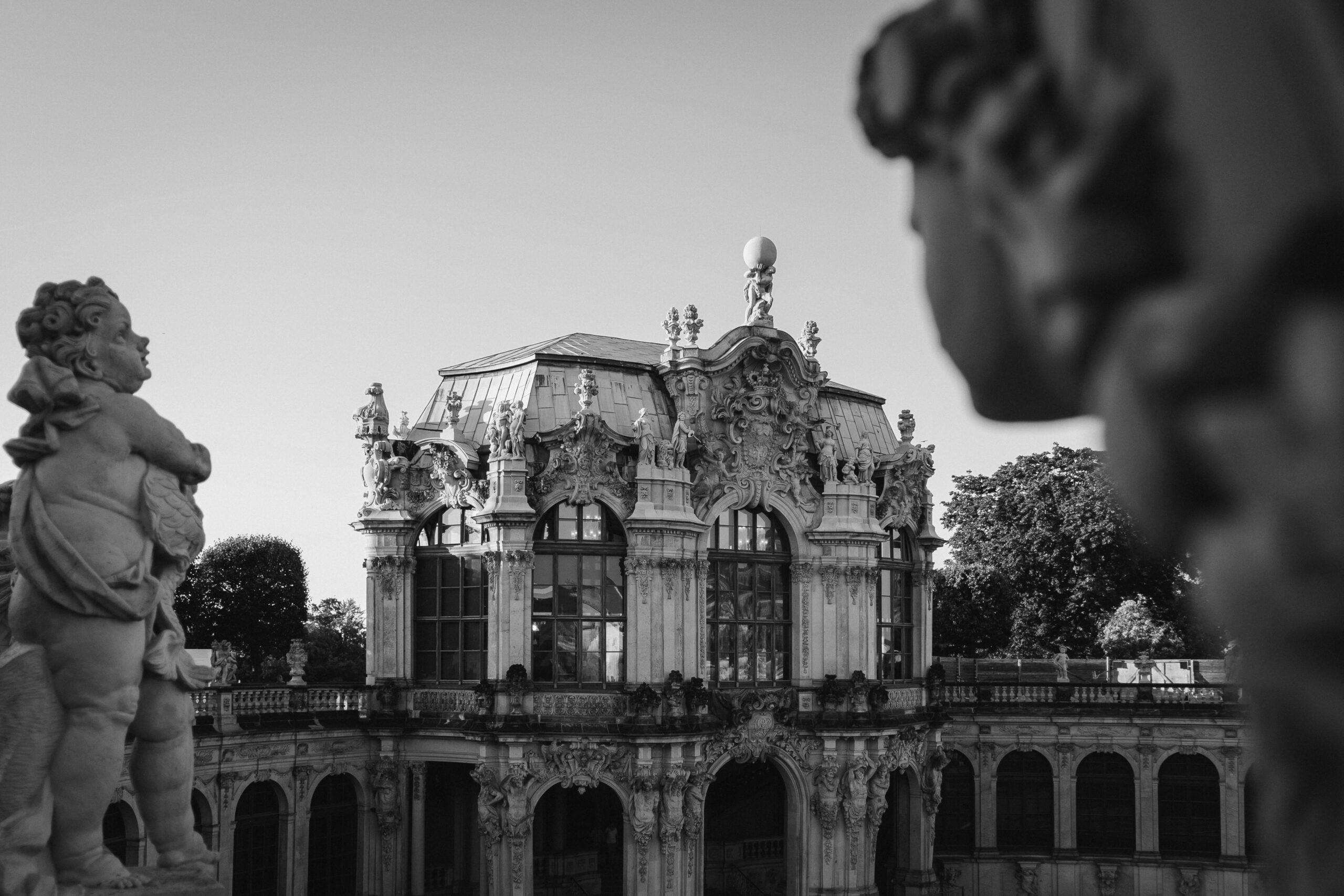
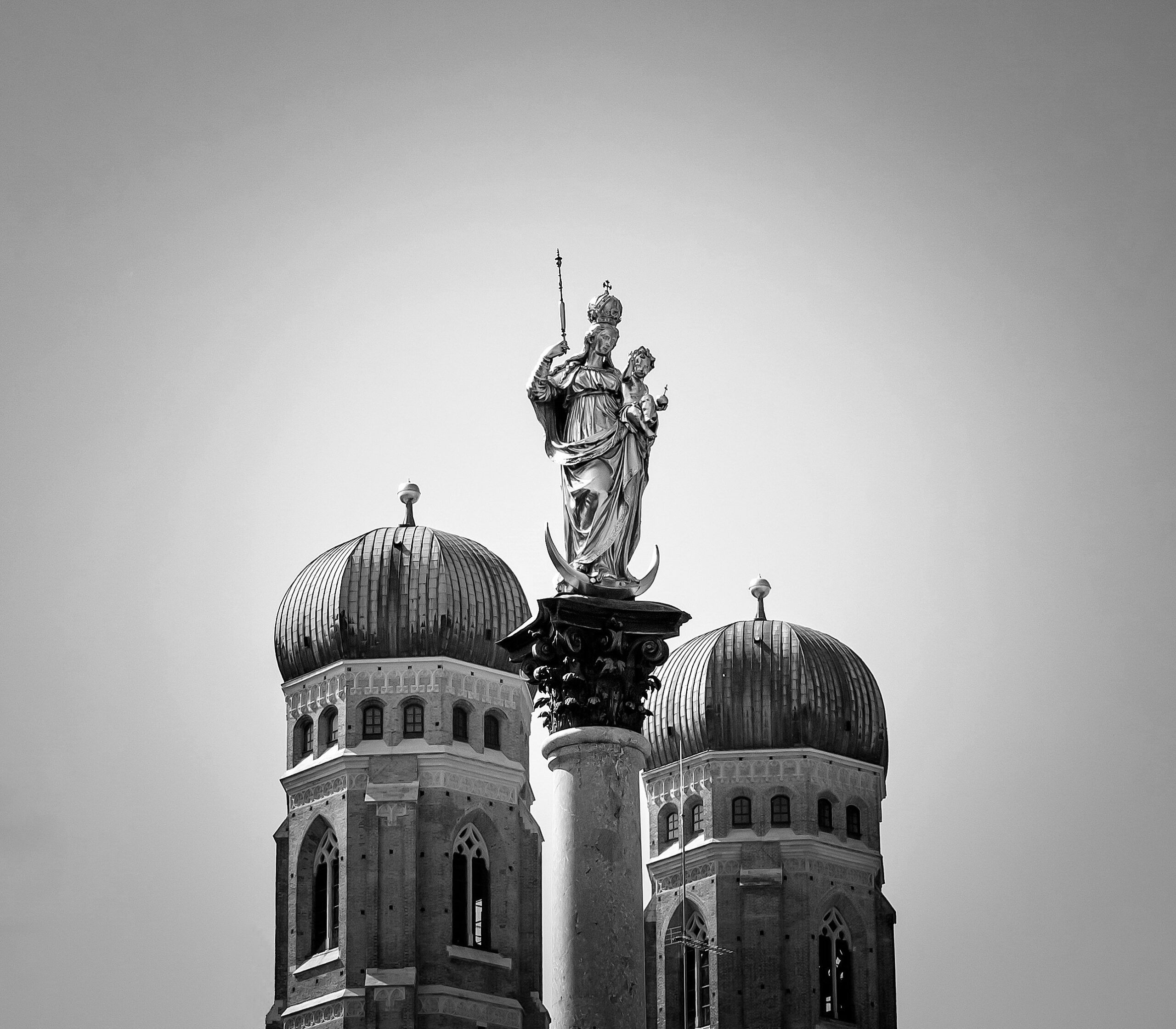
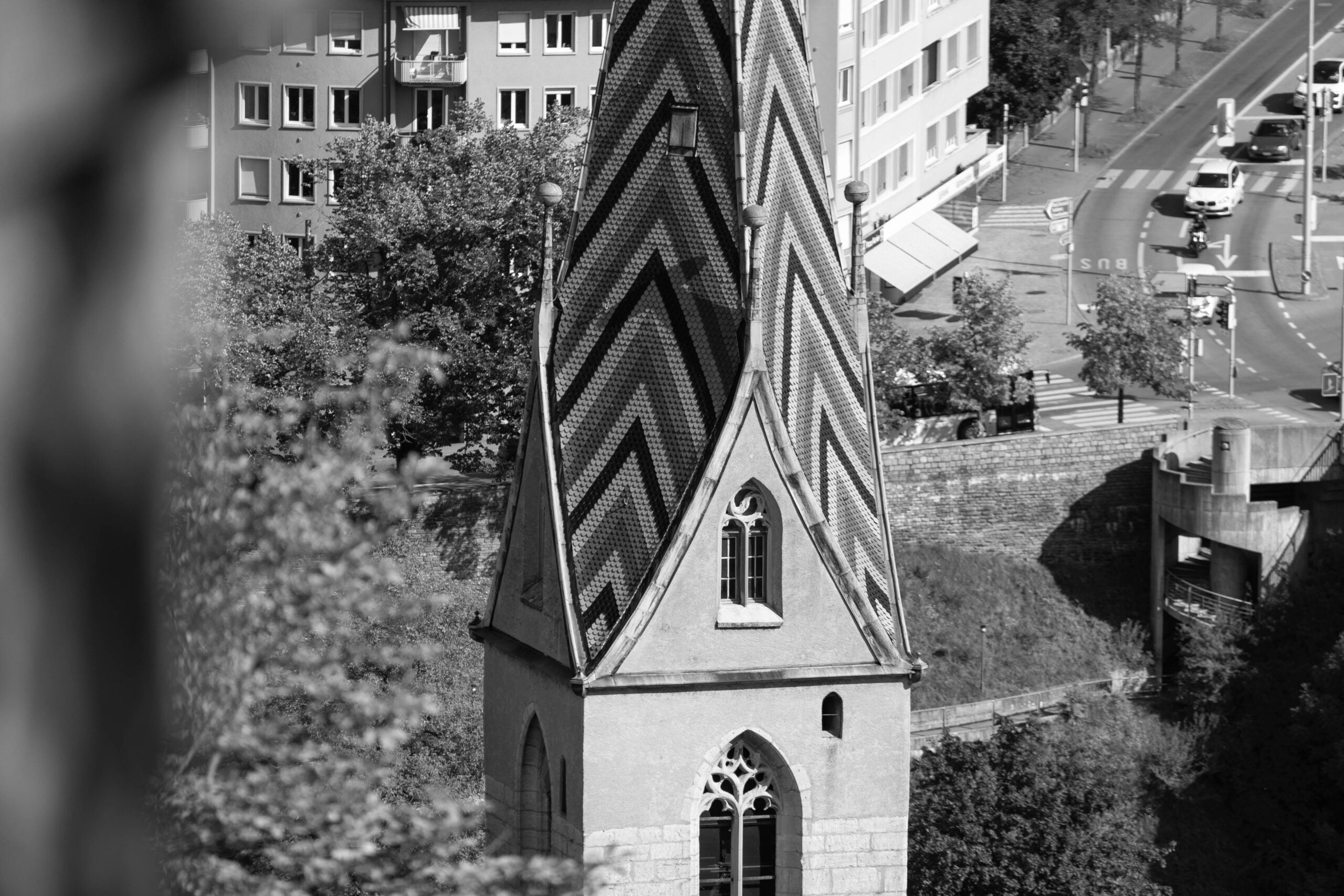
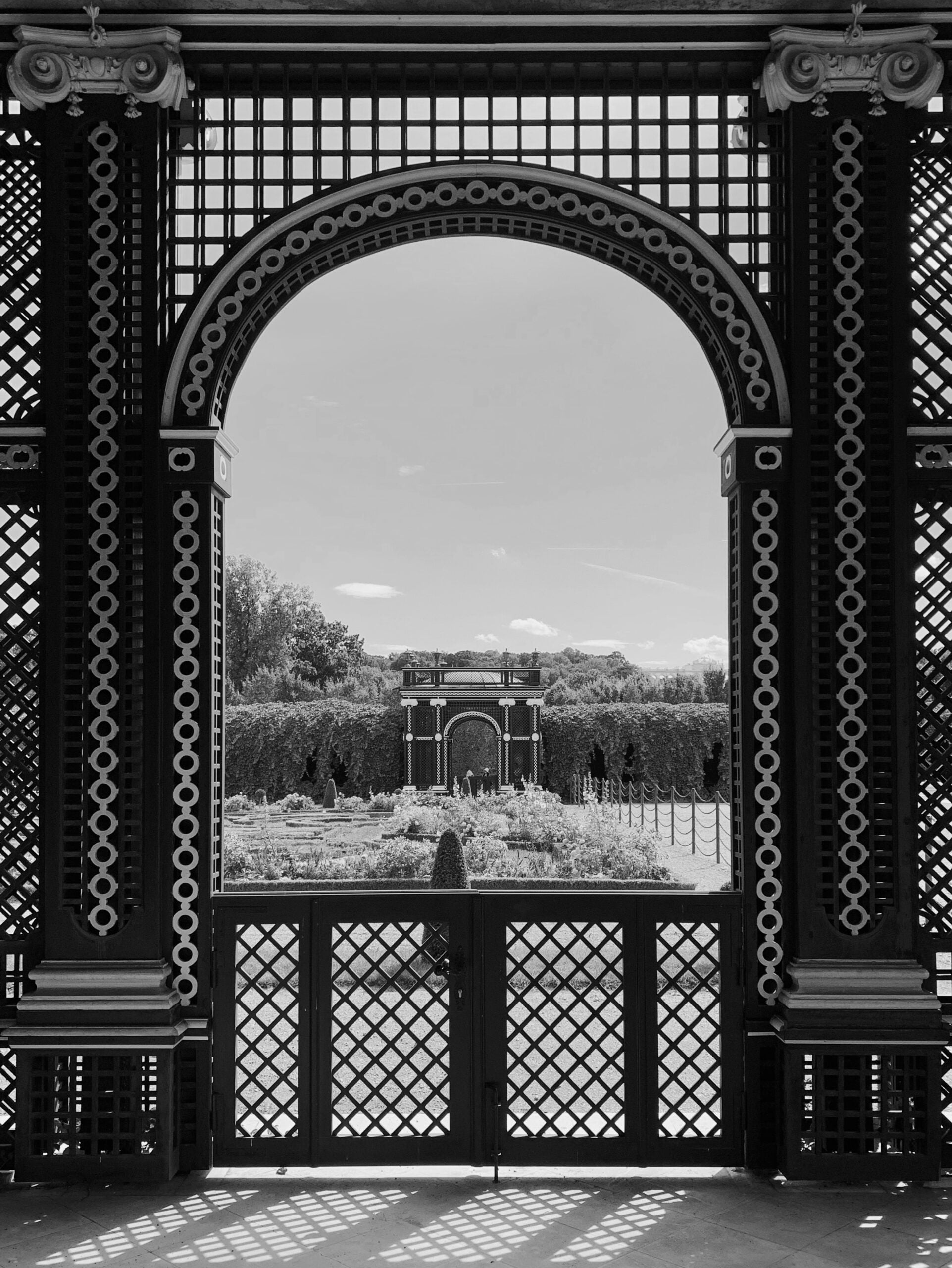
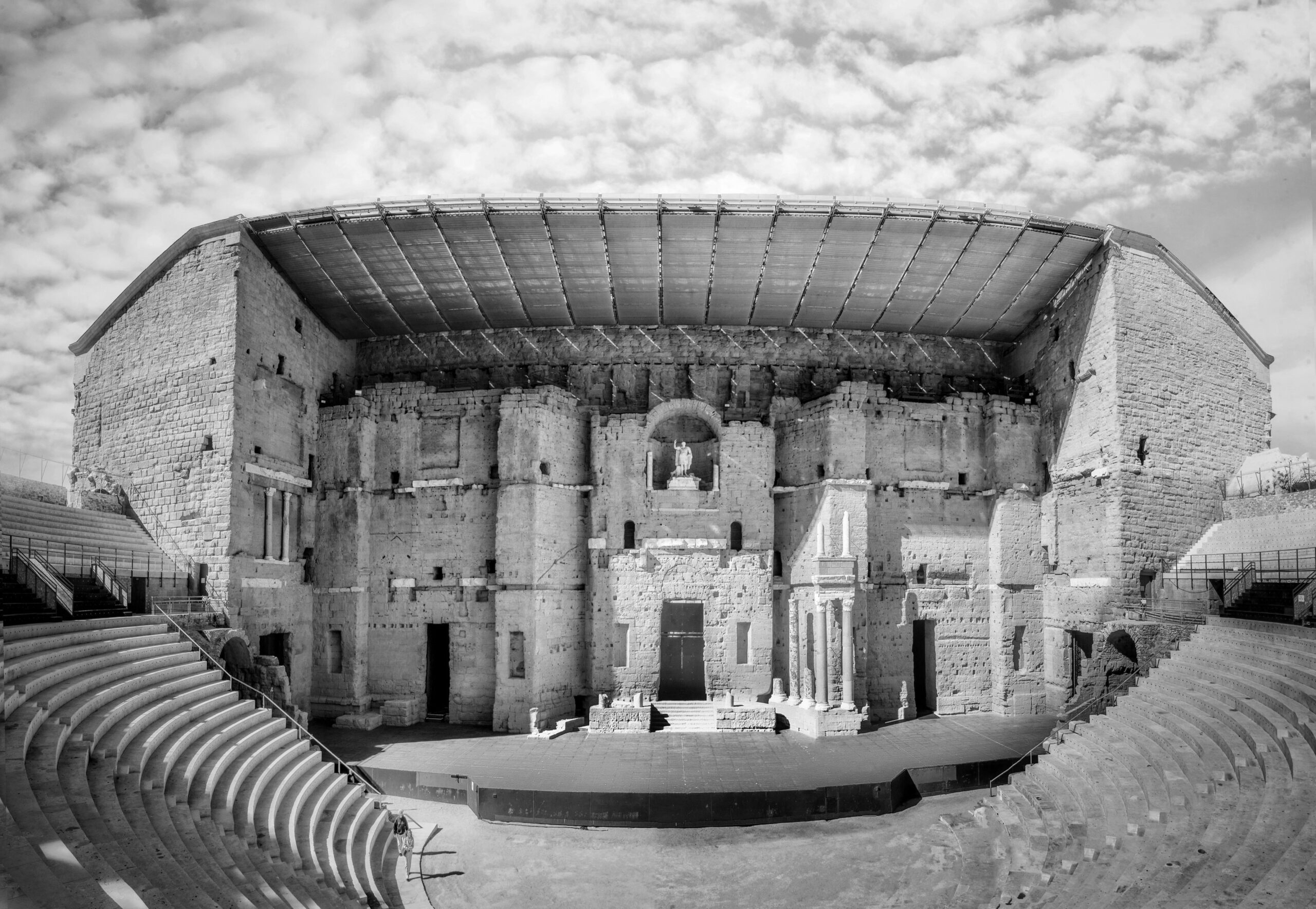
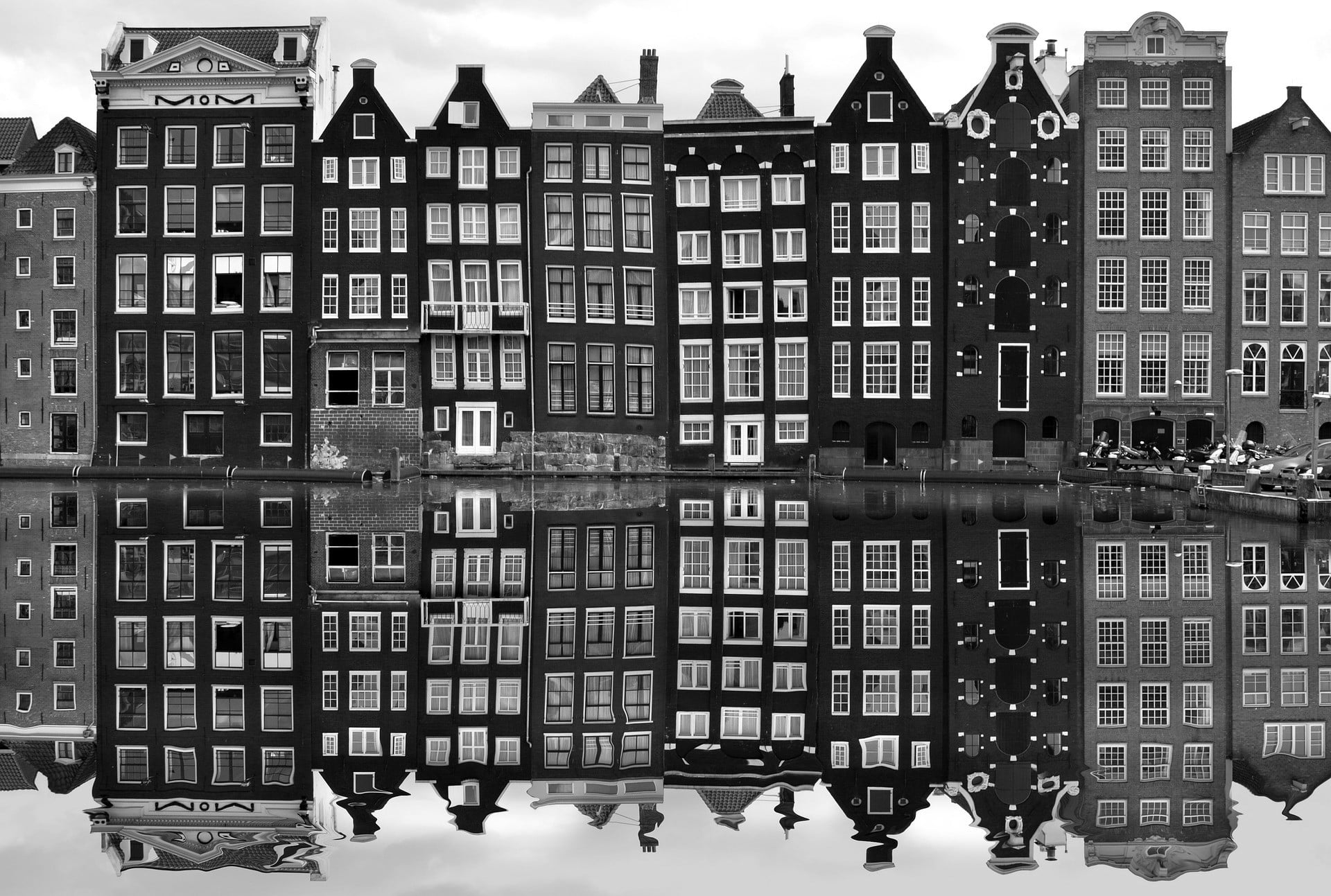
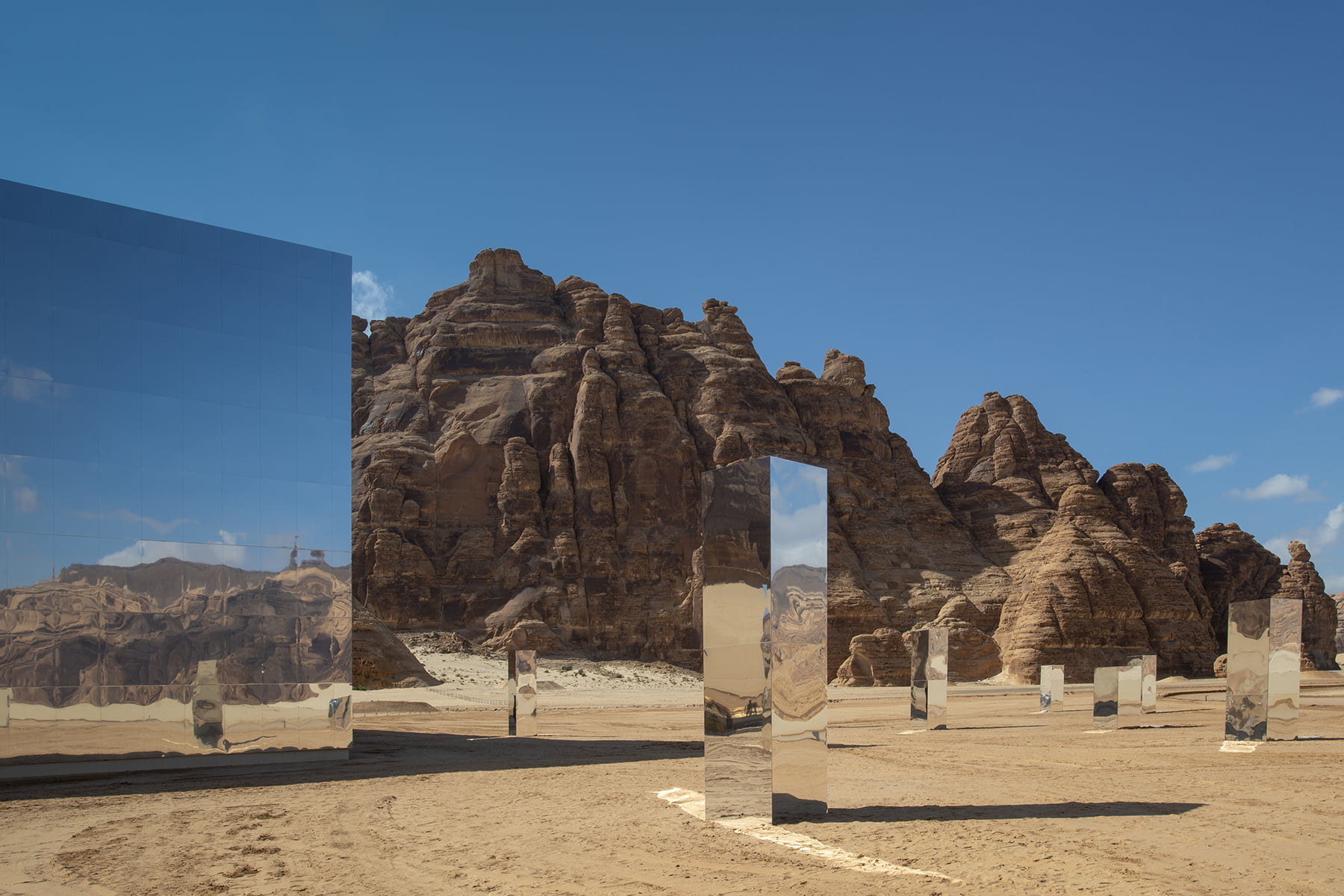
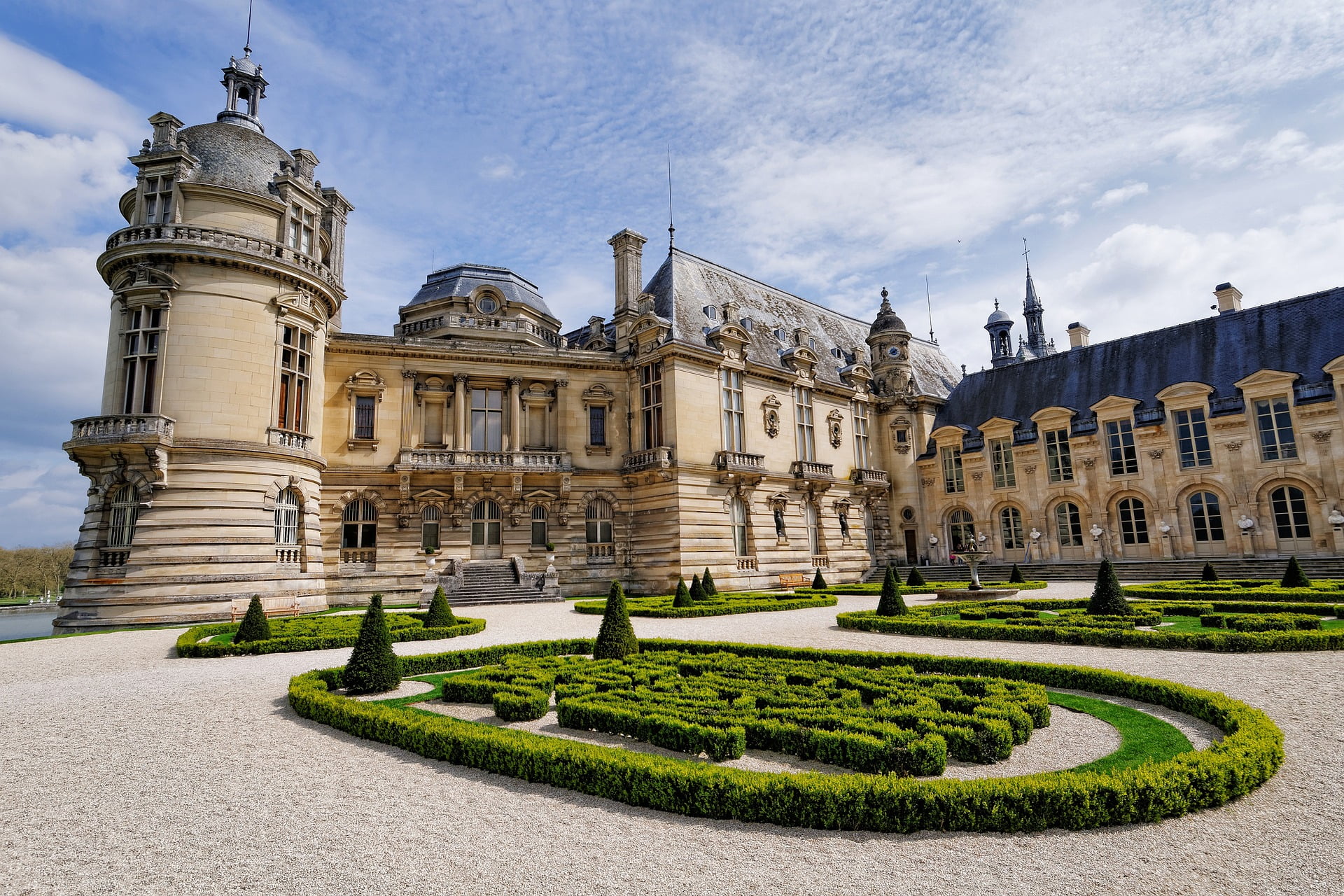
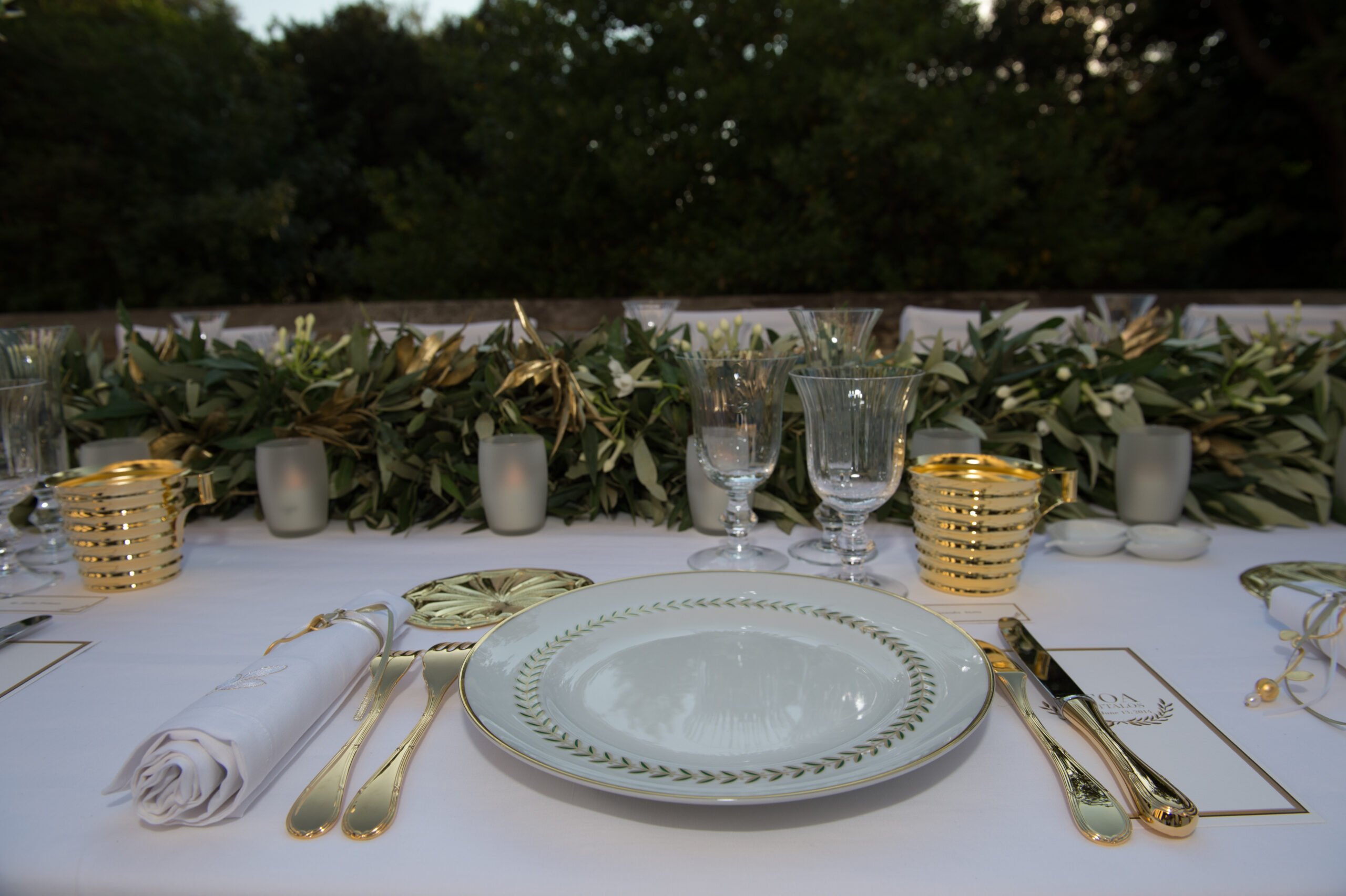
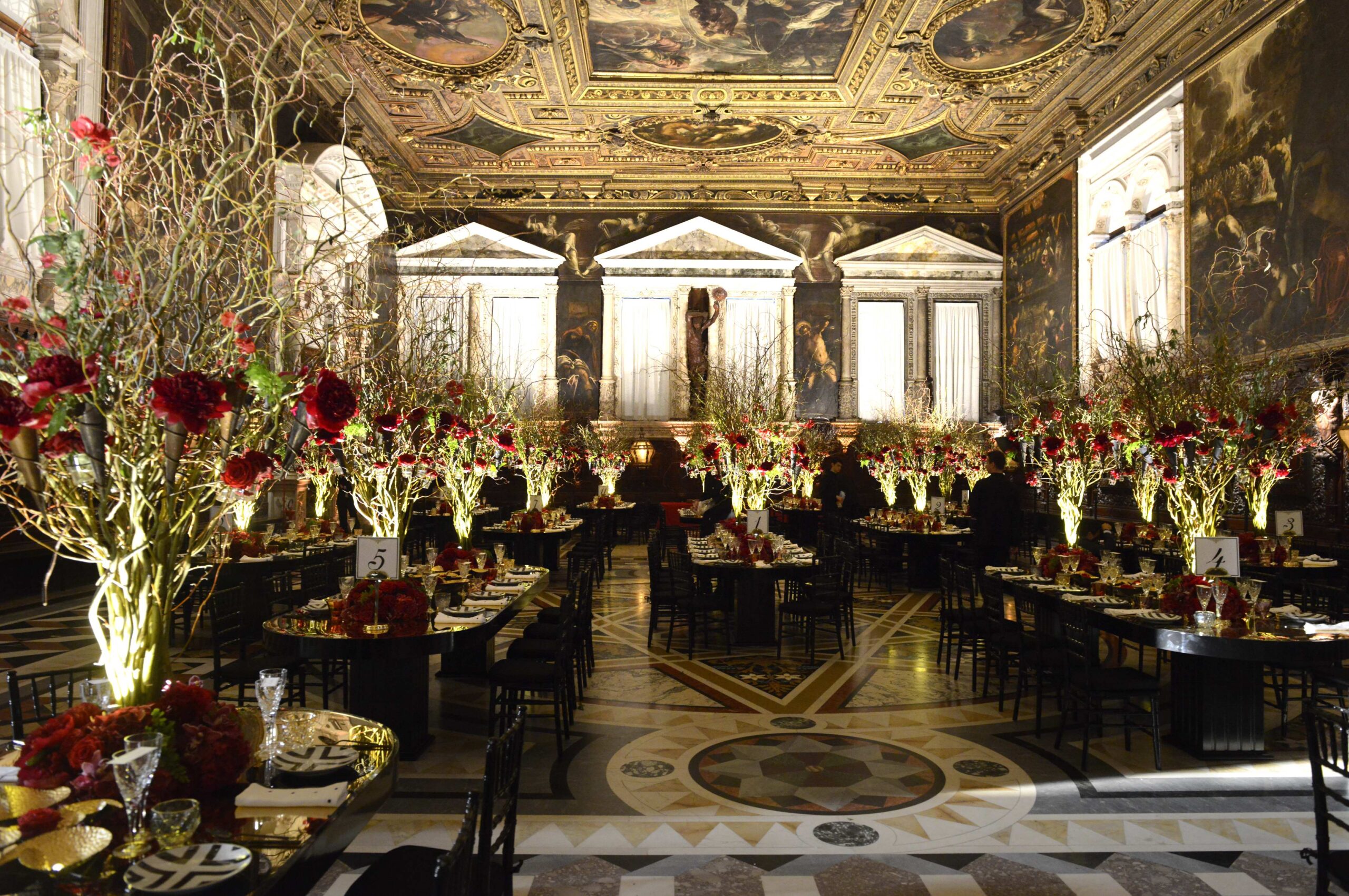
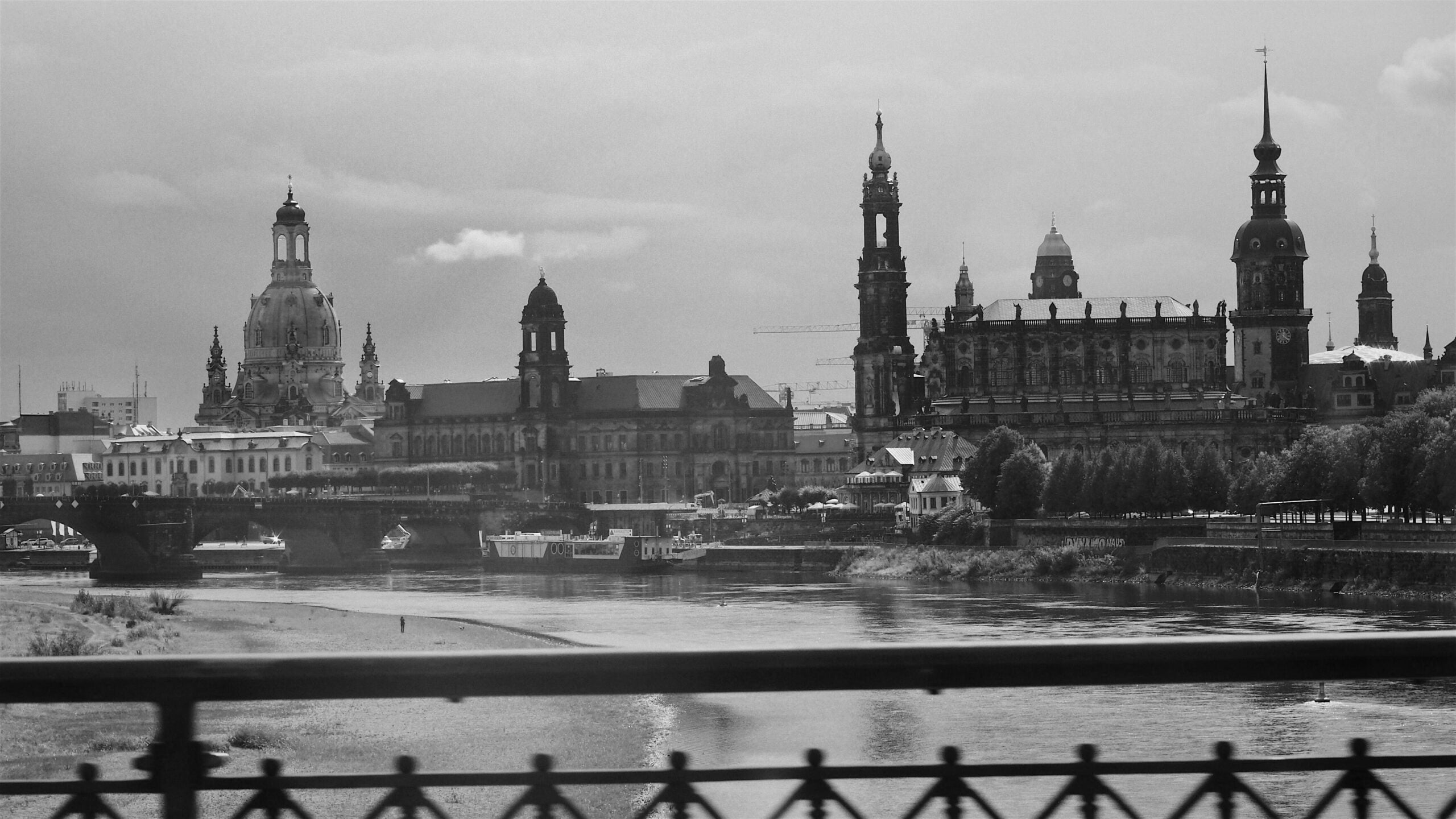
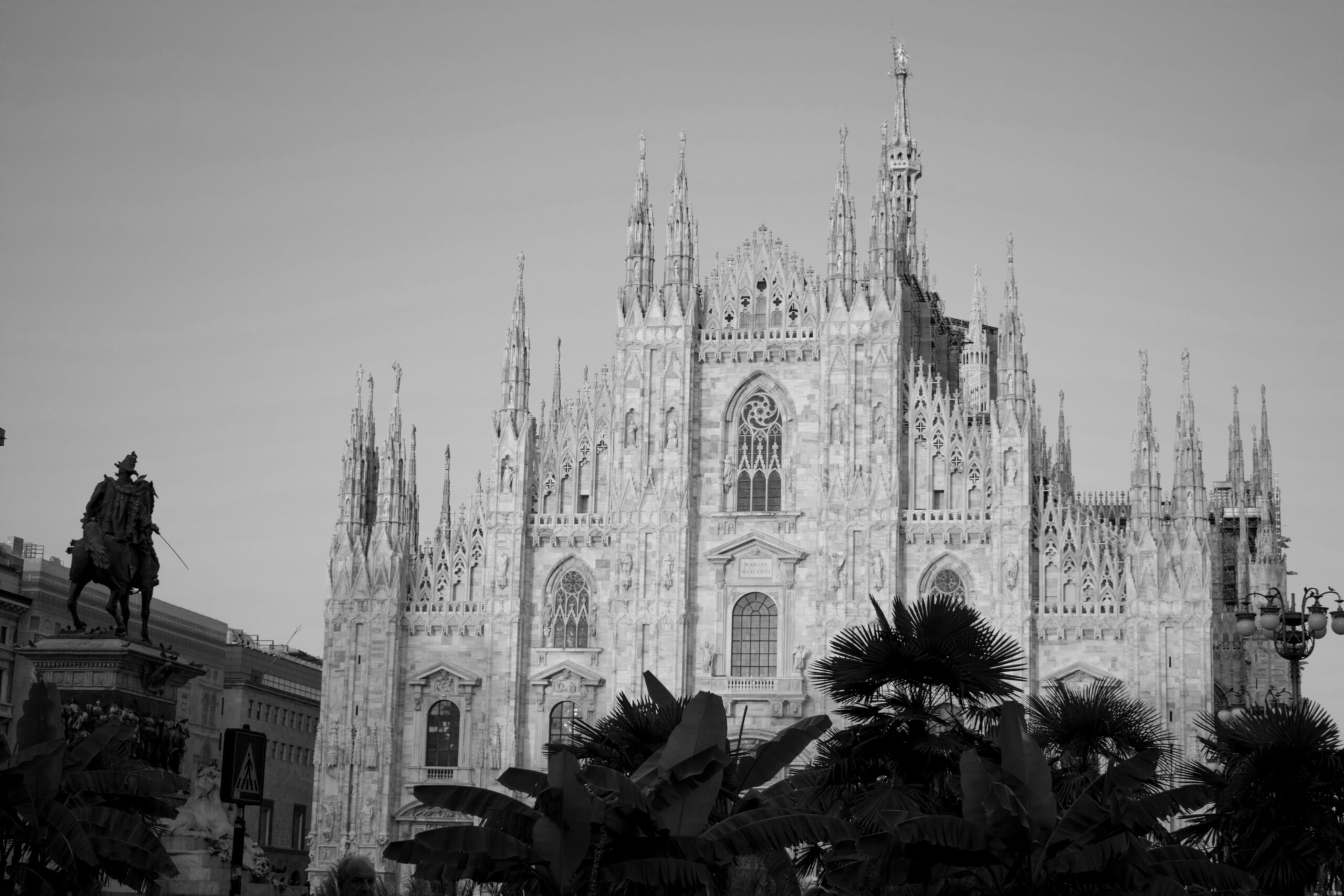
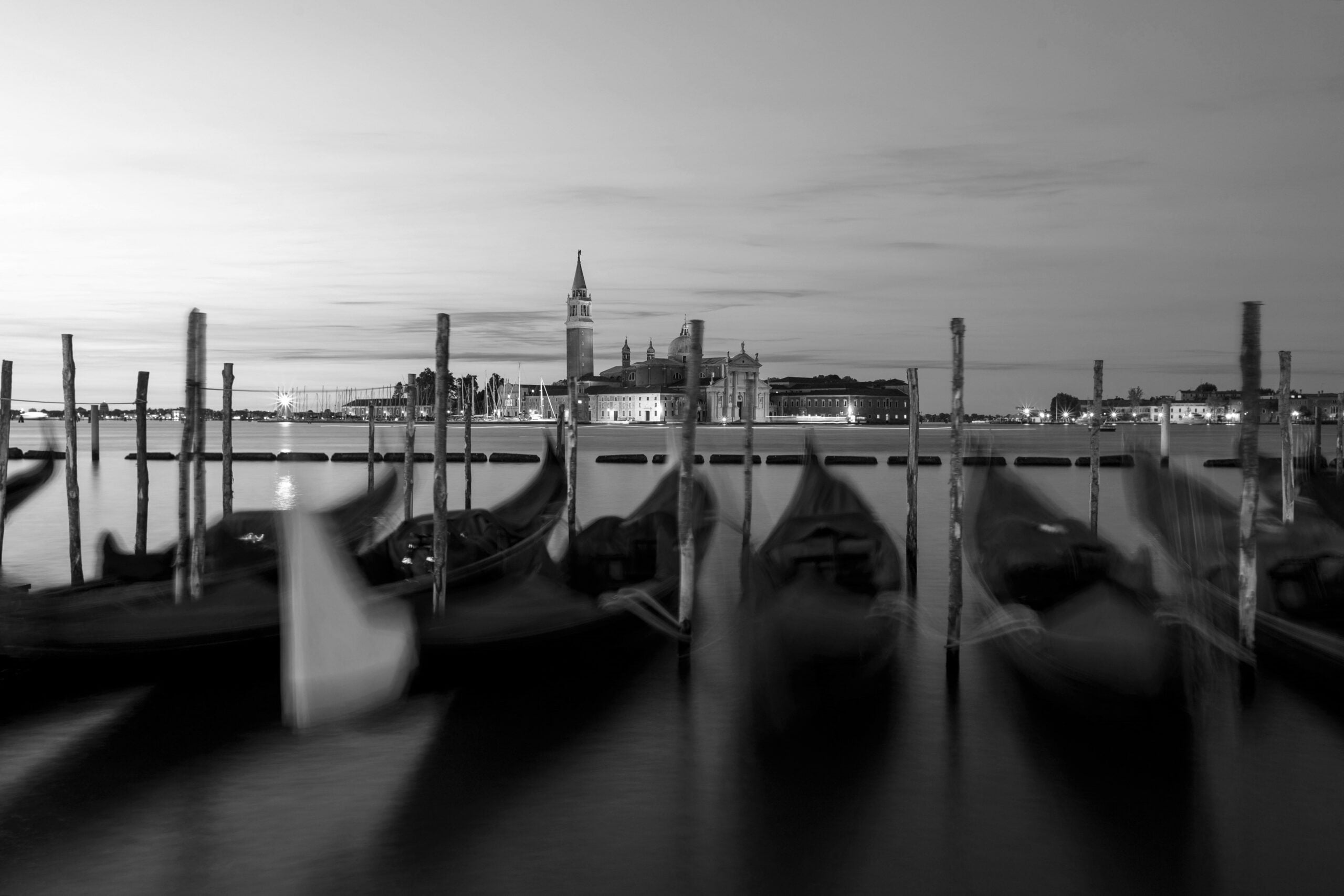
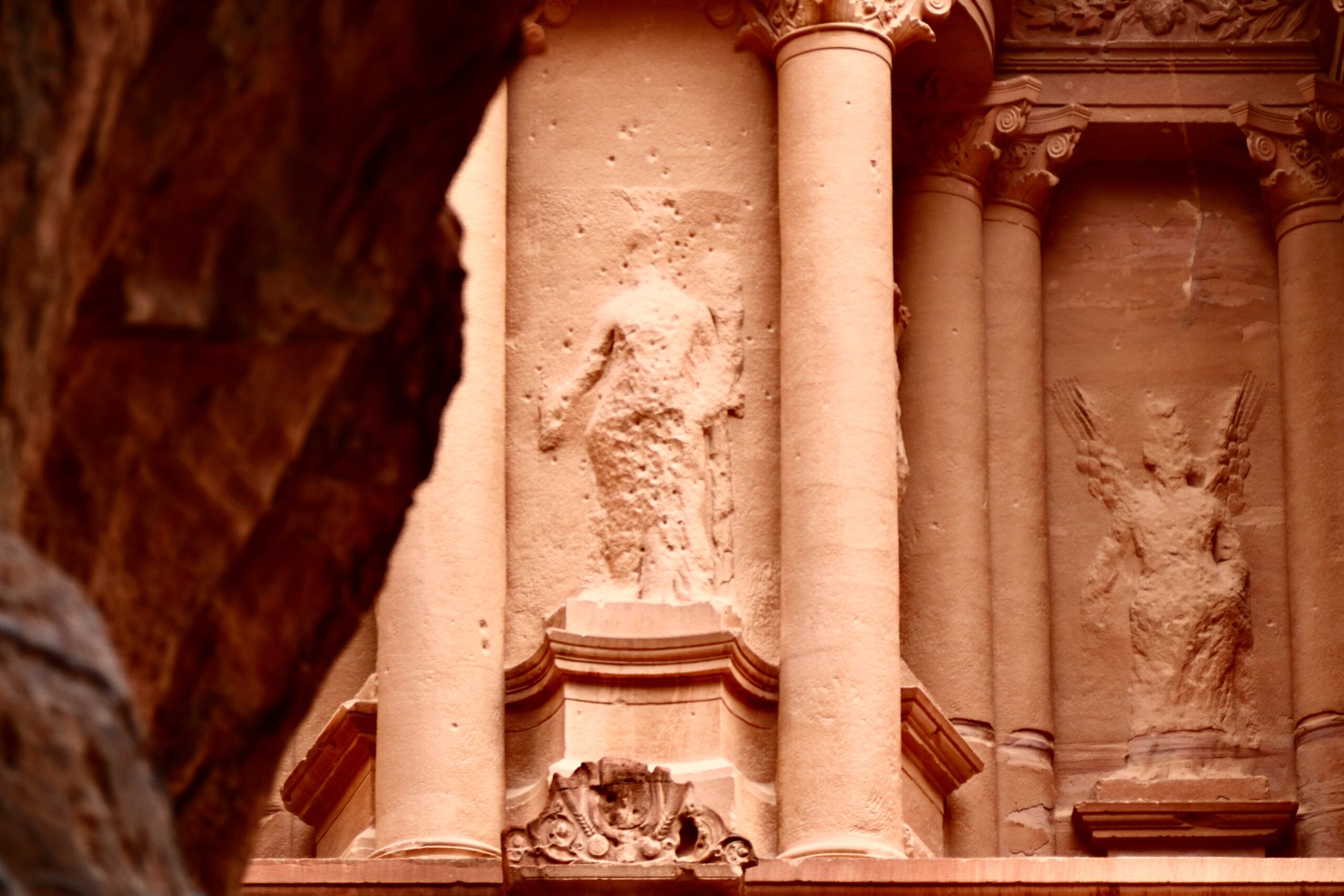
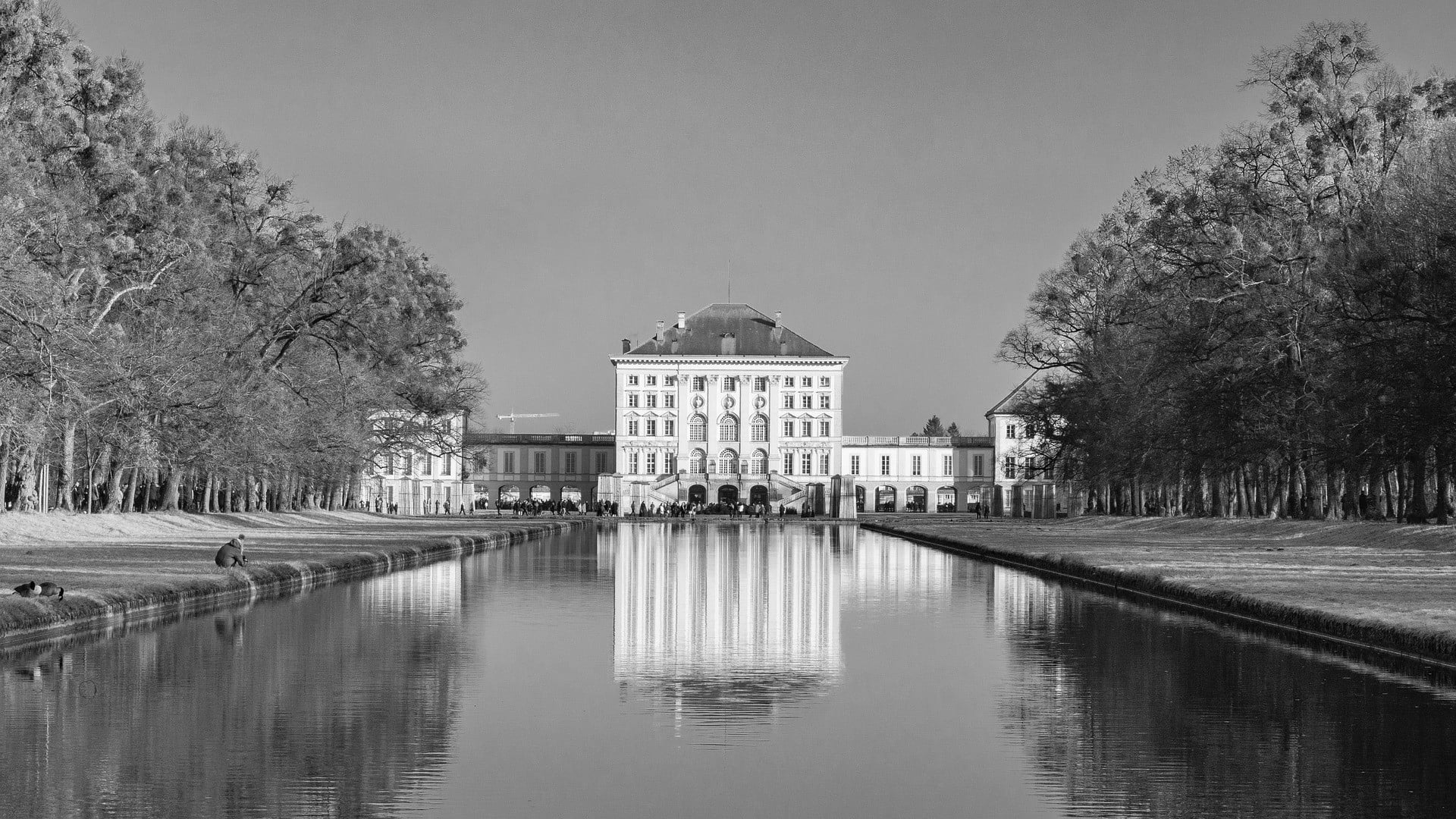
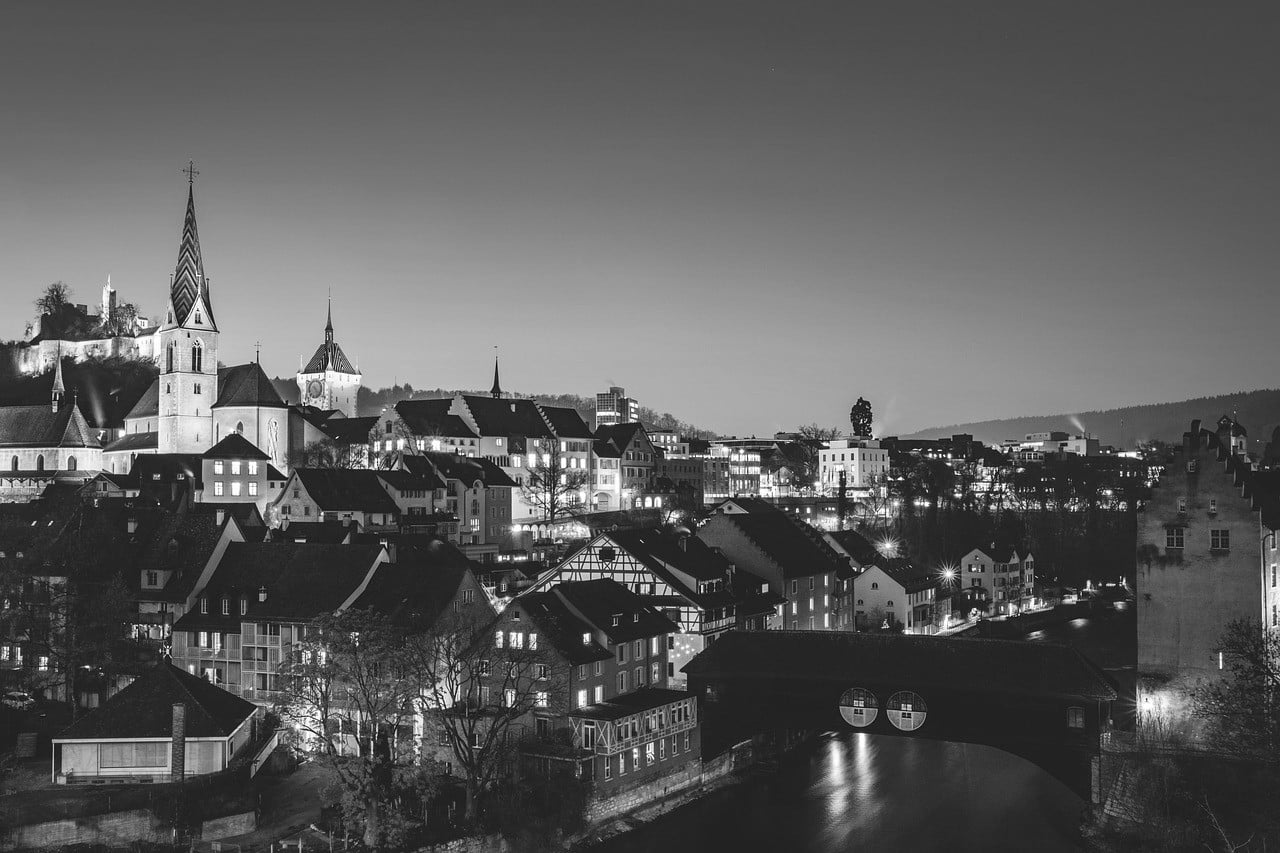
Photos credits :

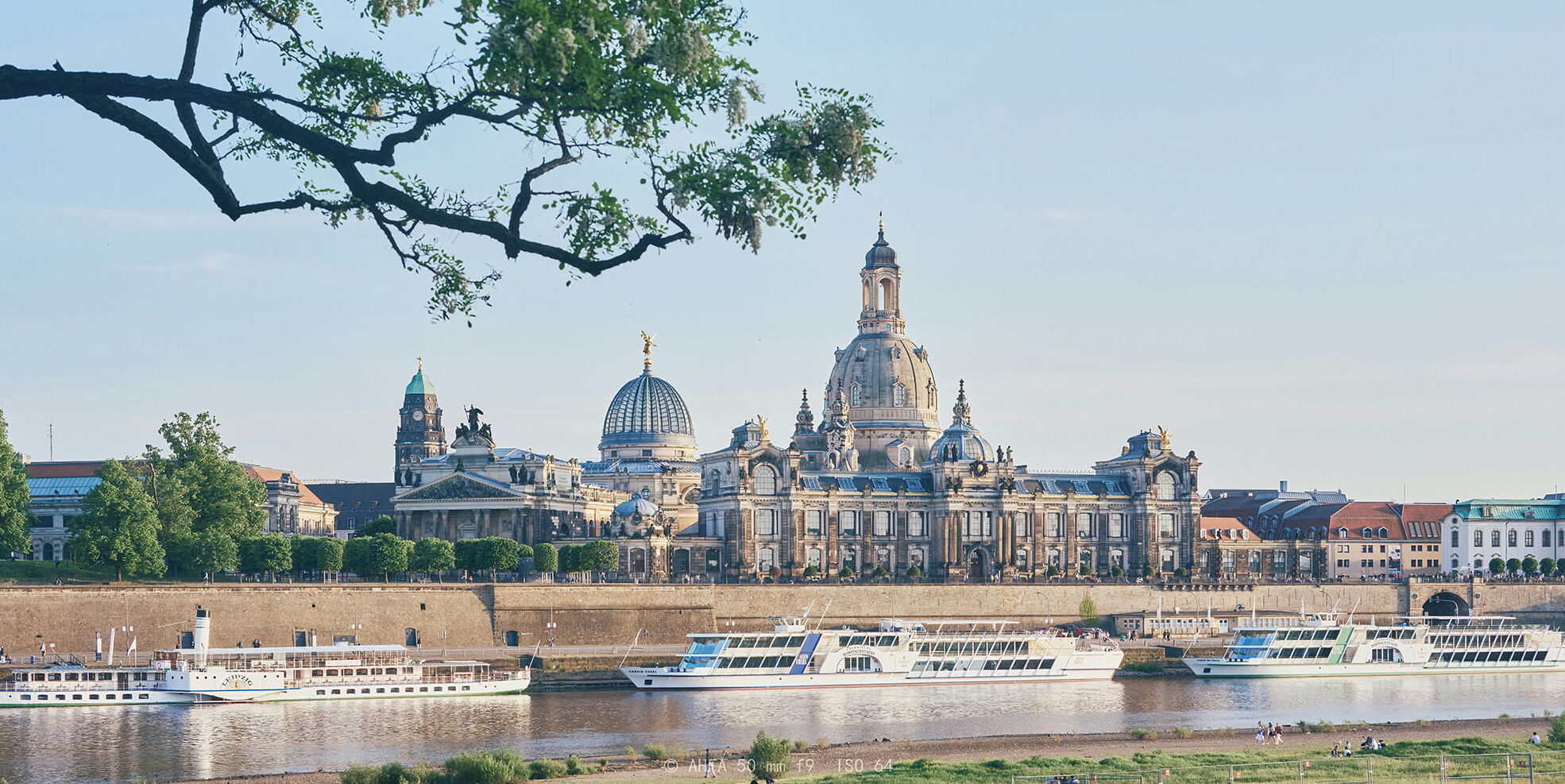
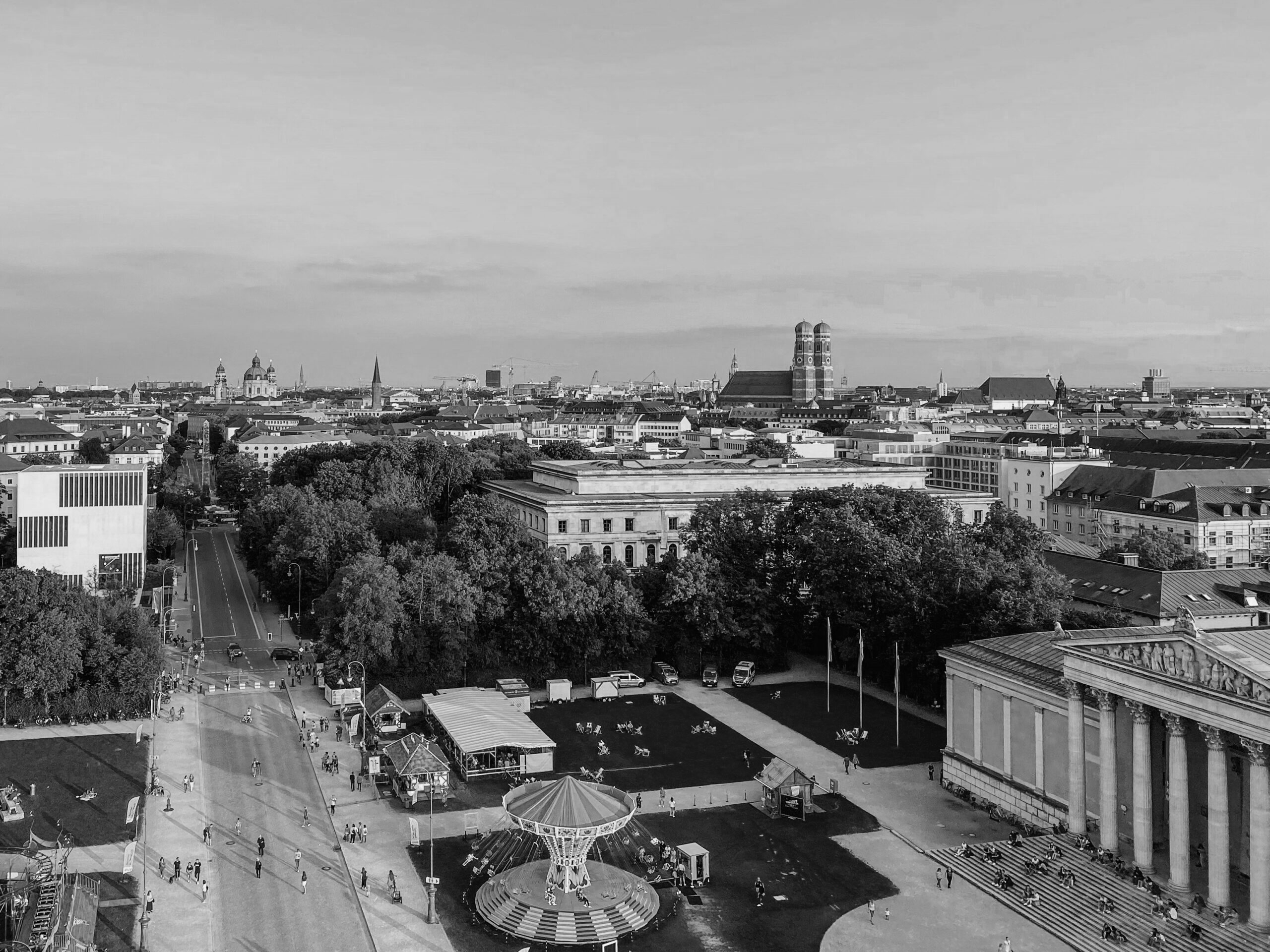
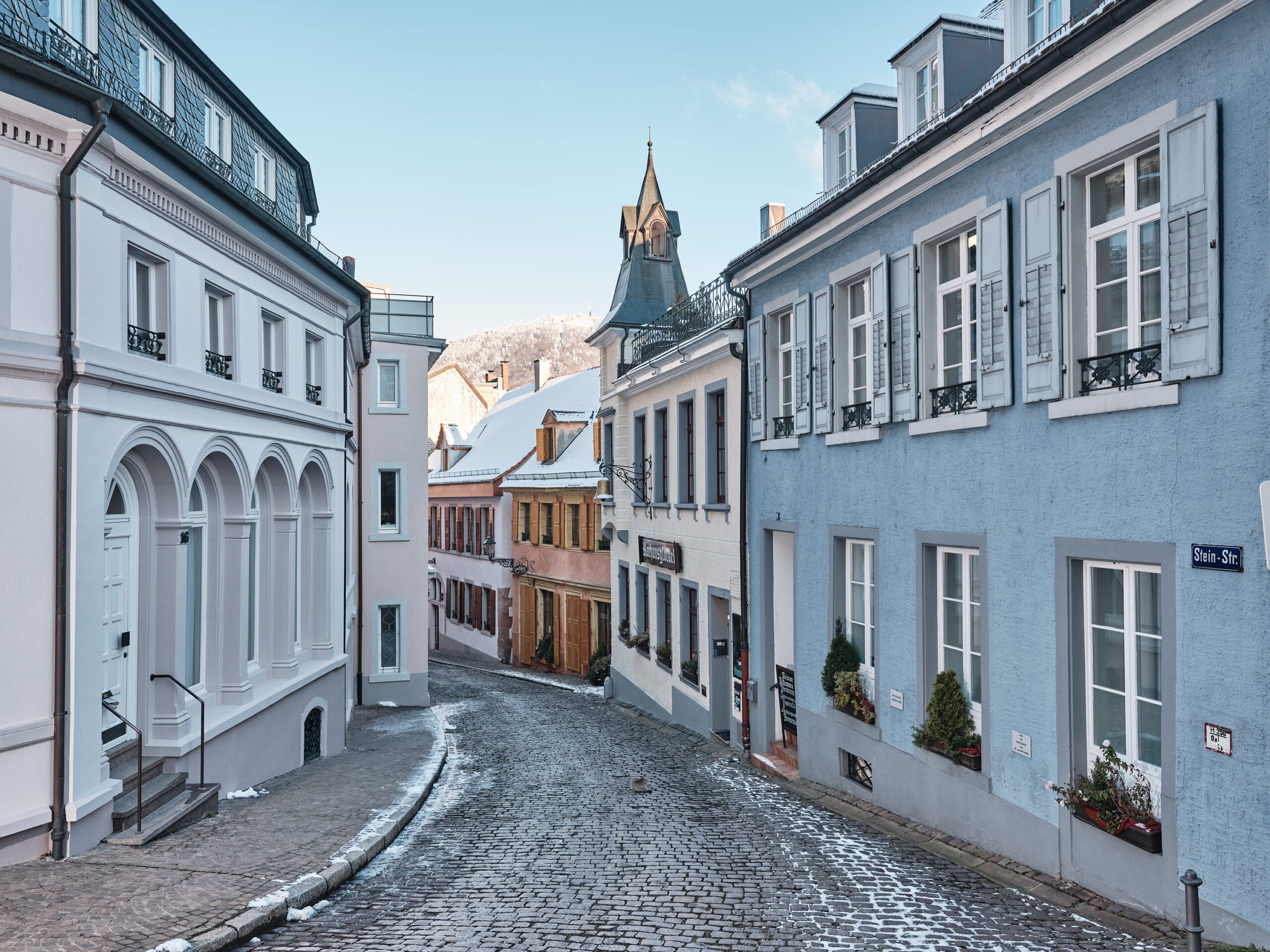
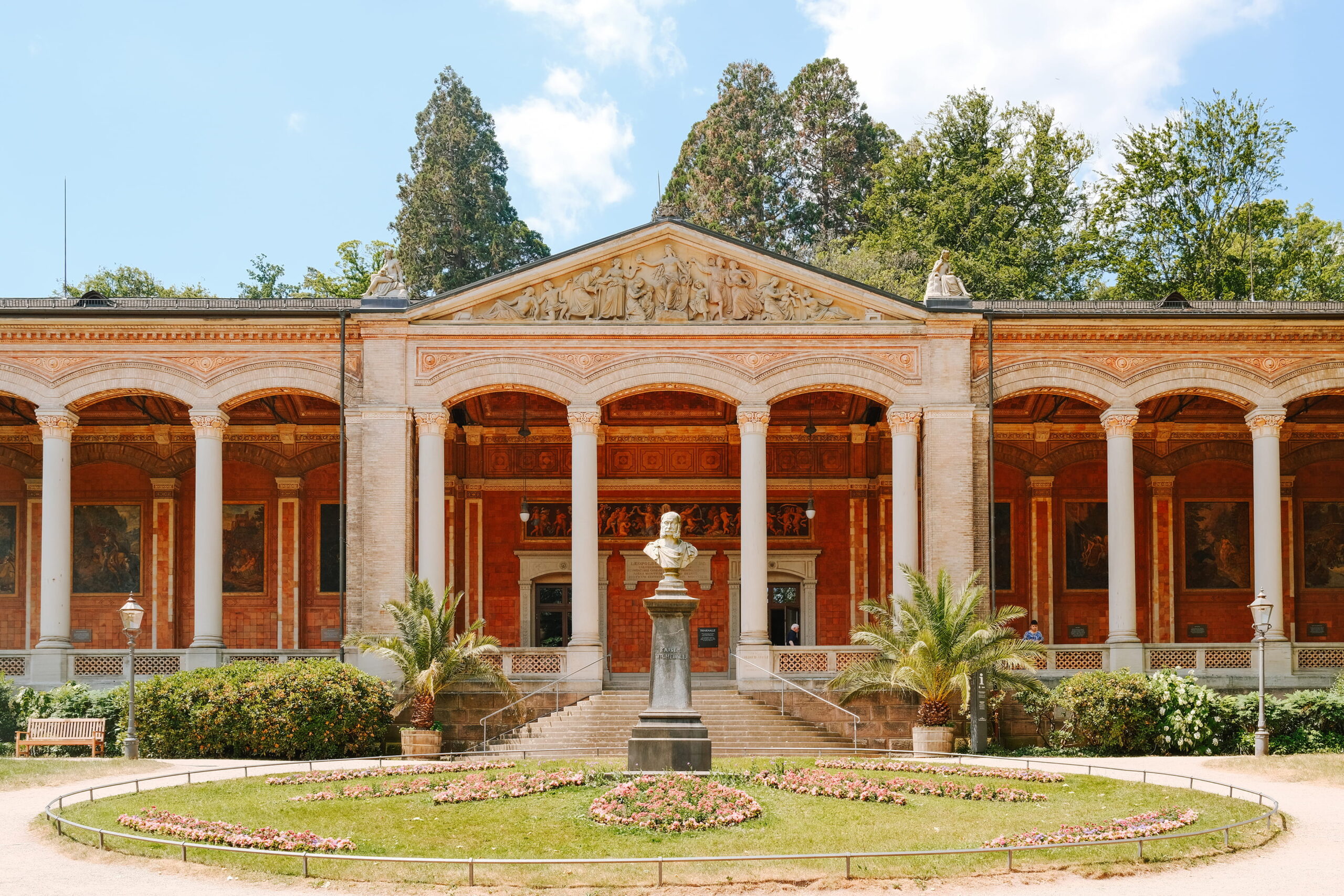
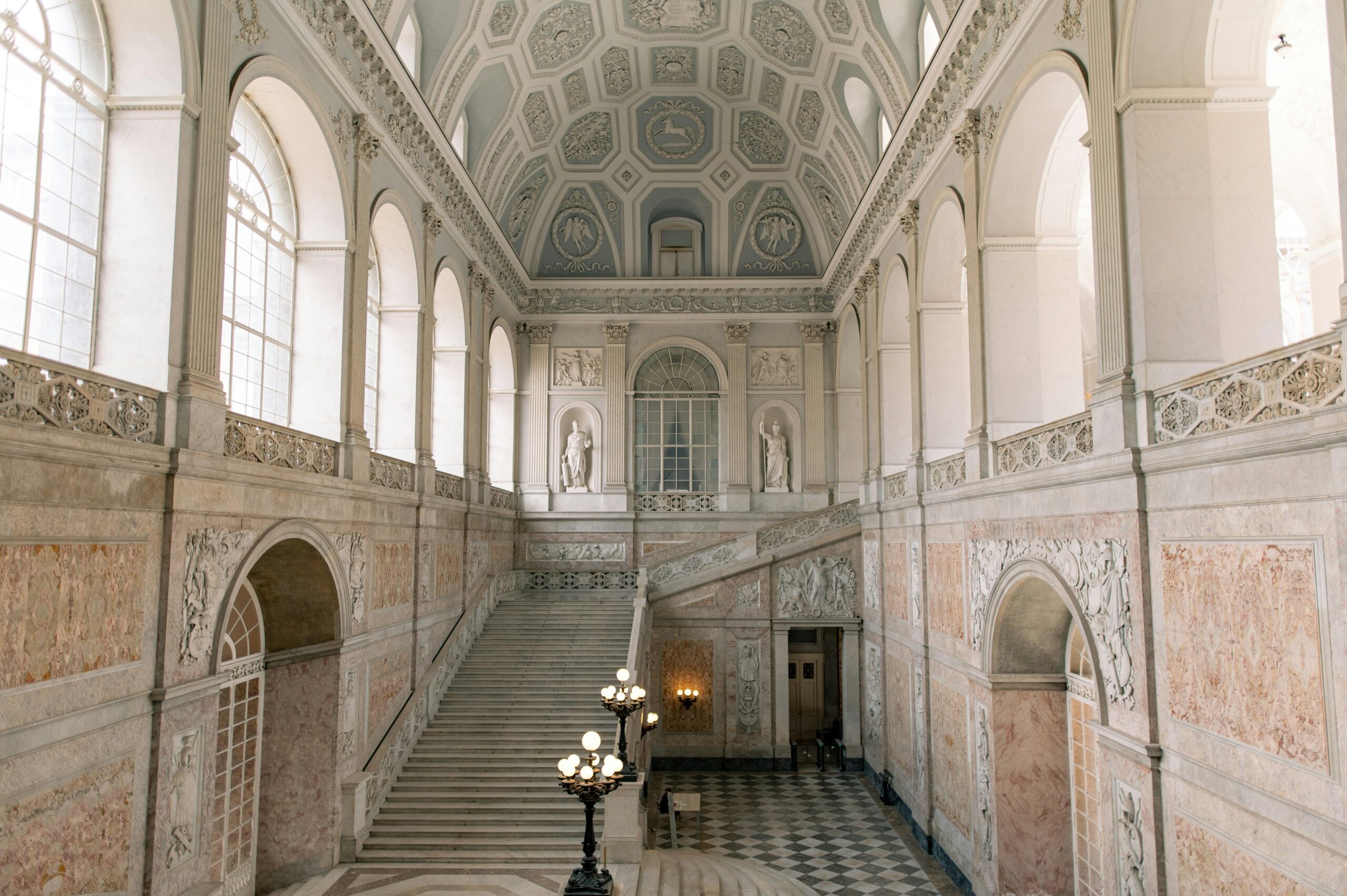
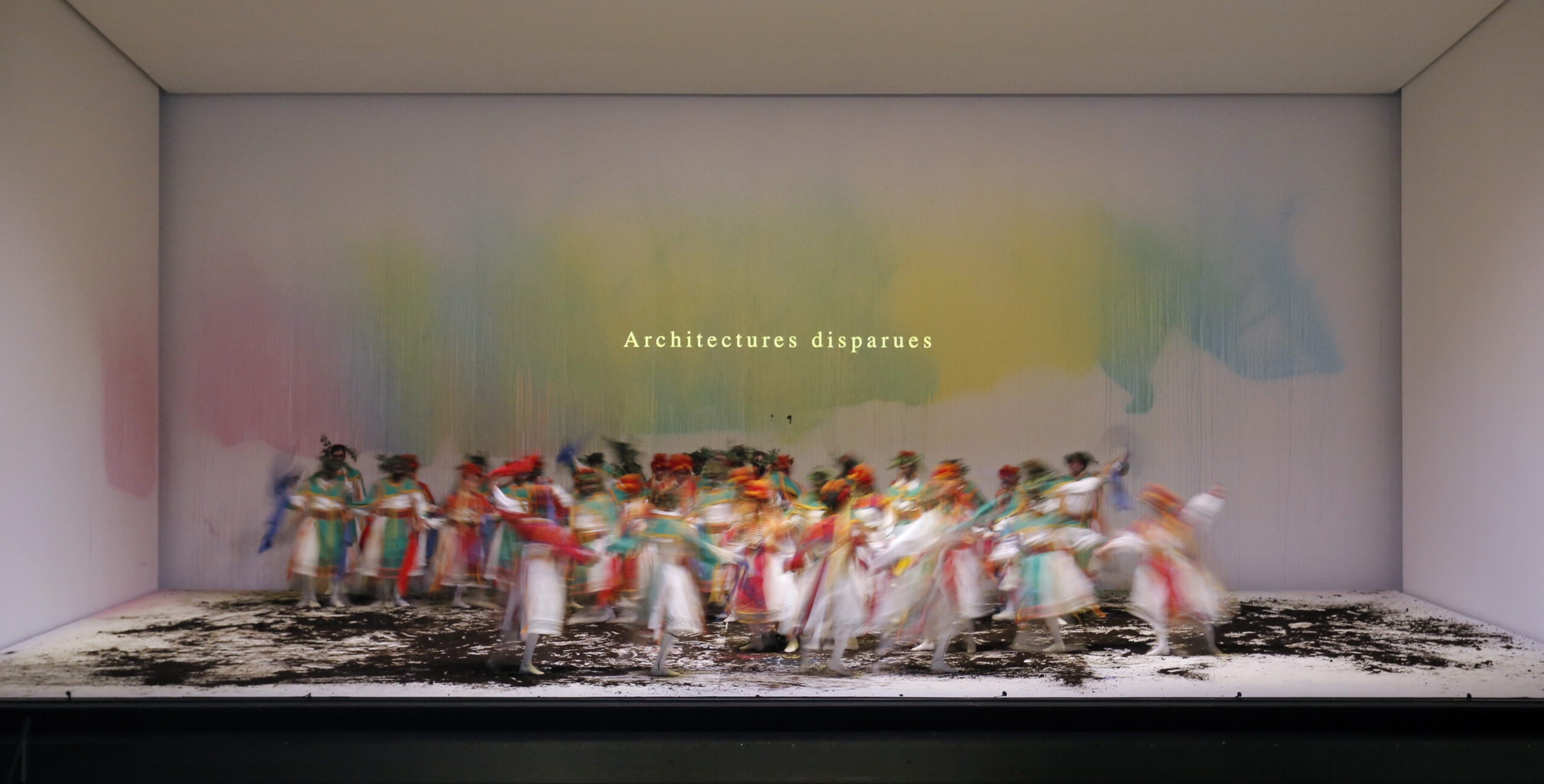
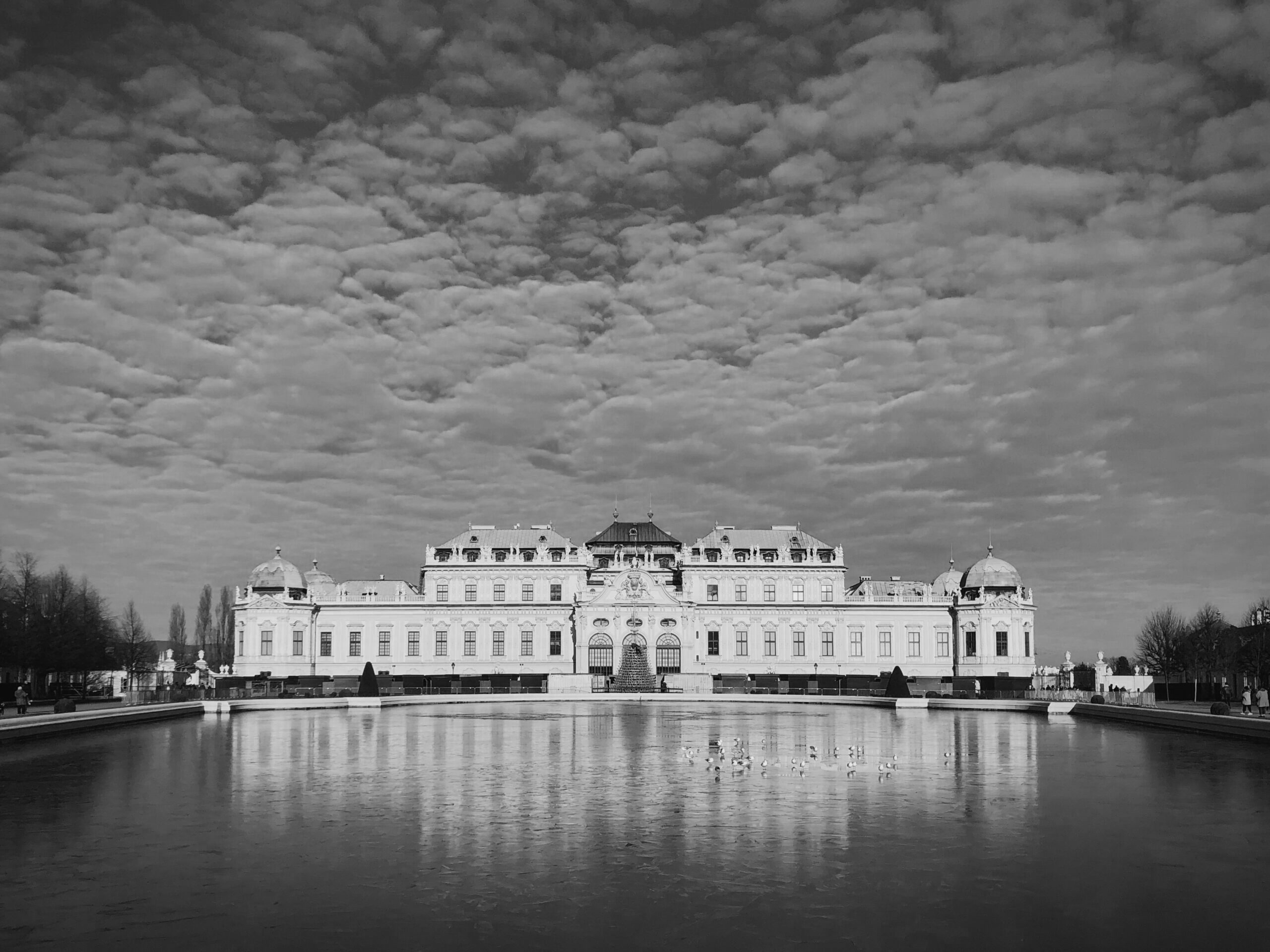
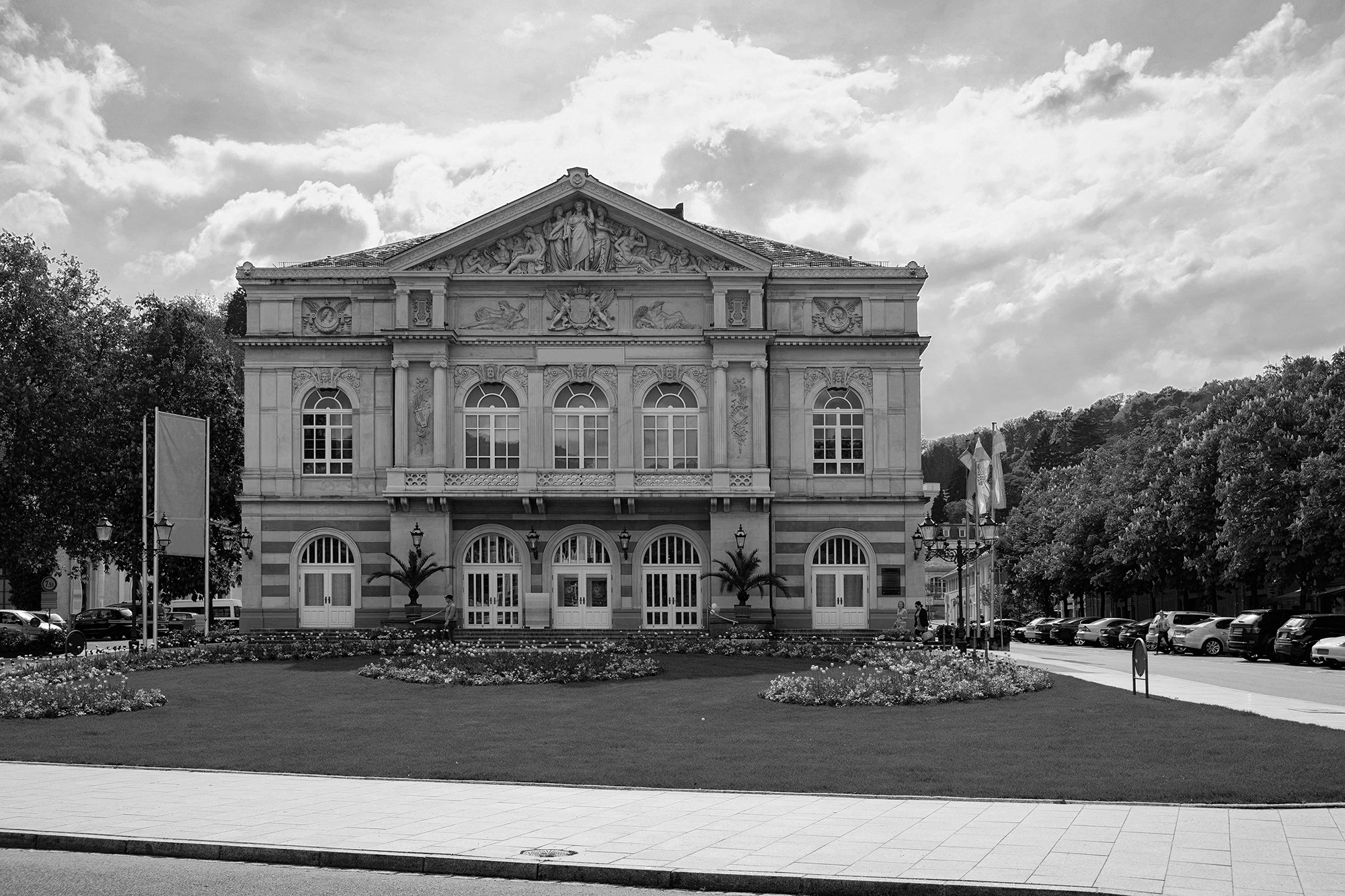
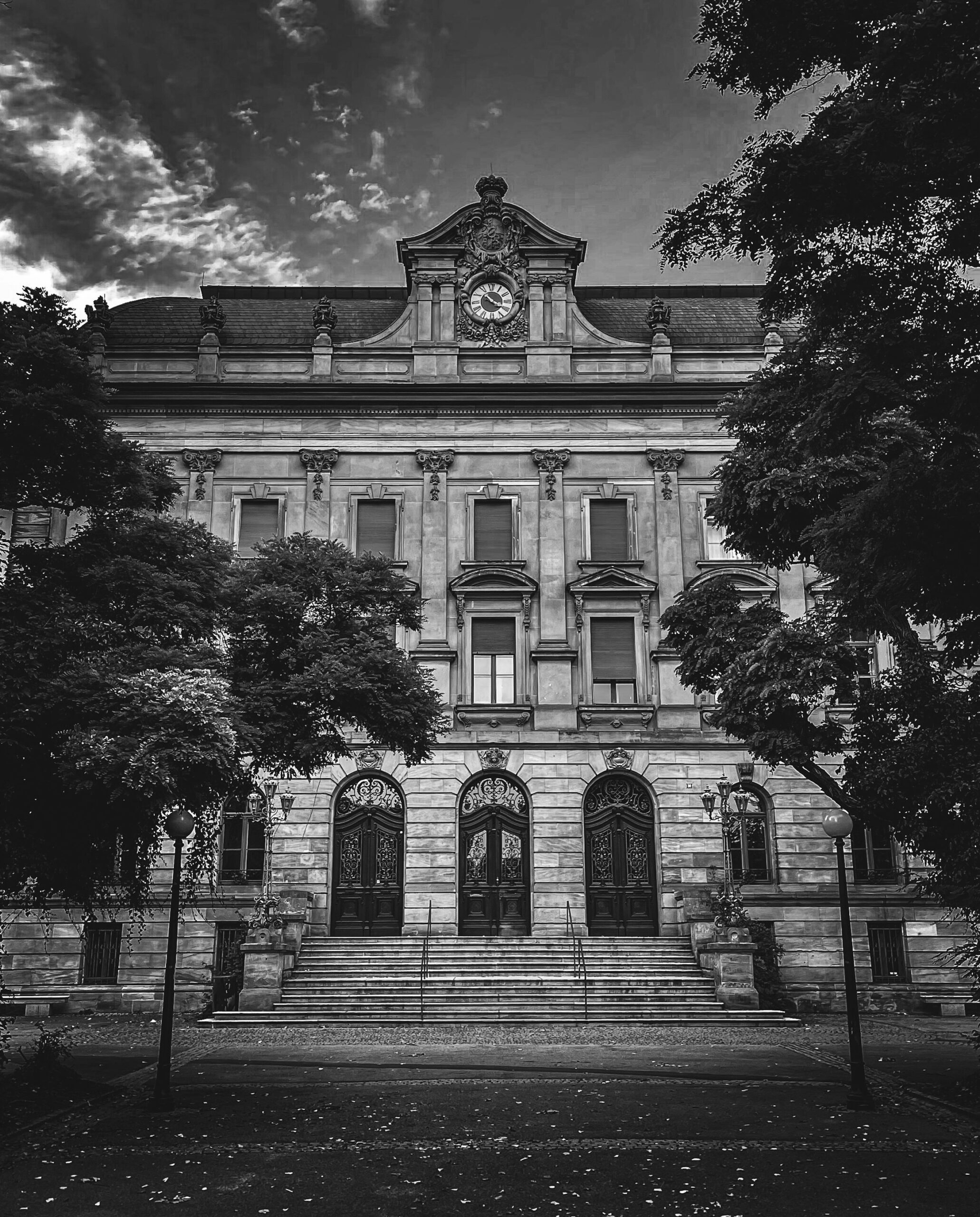
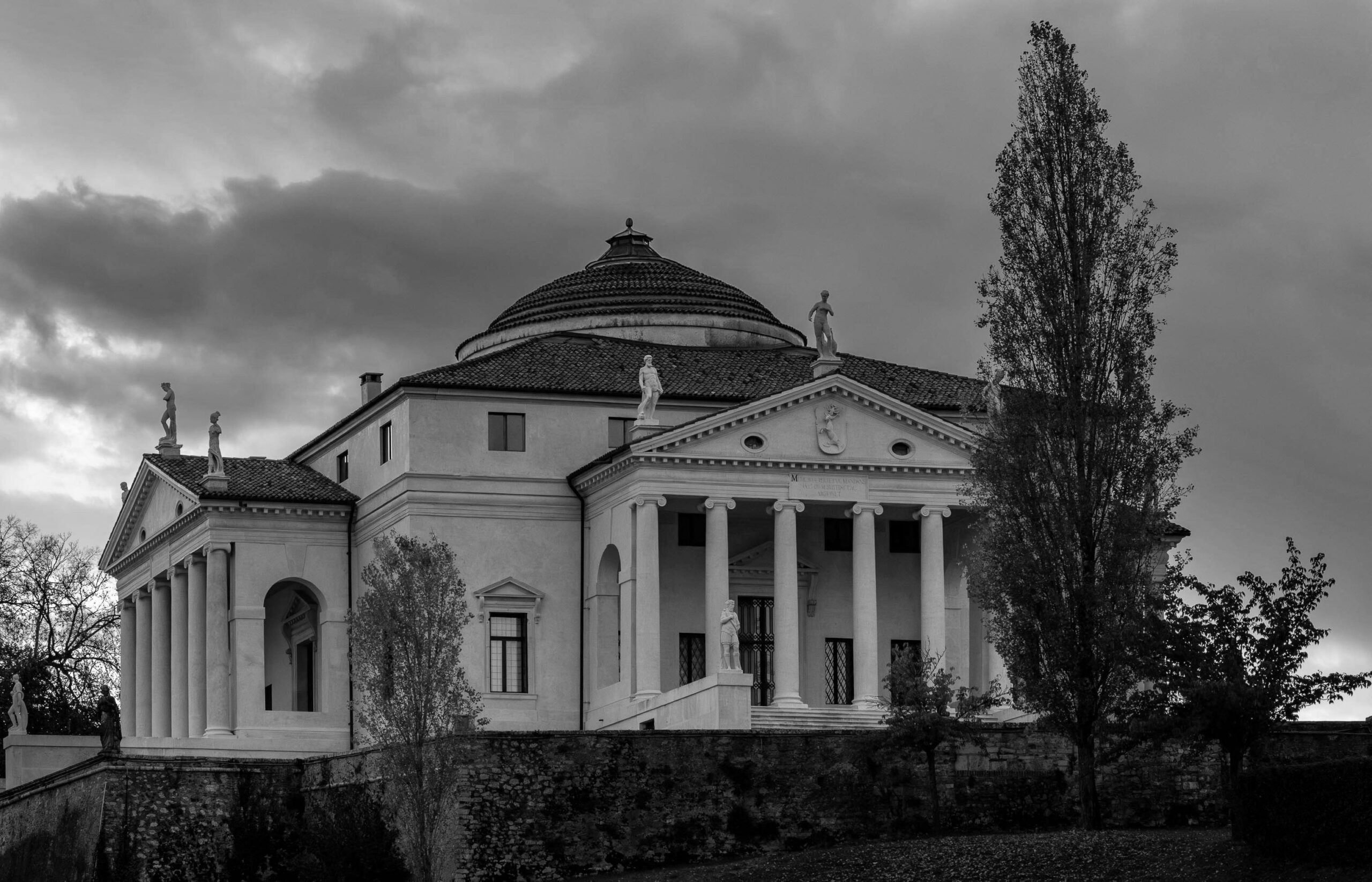
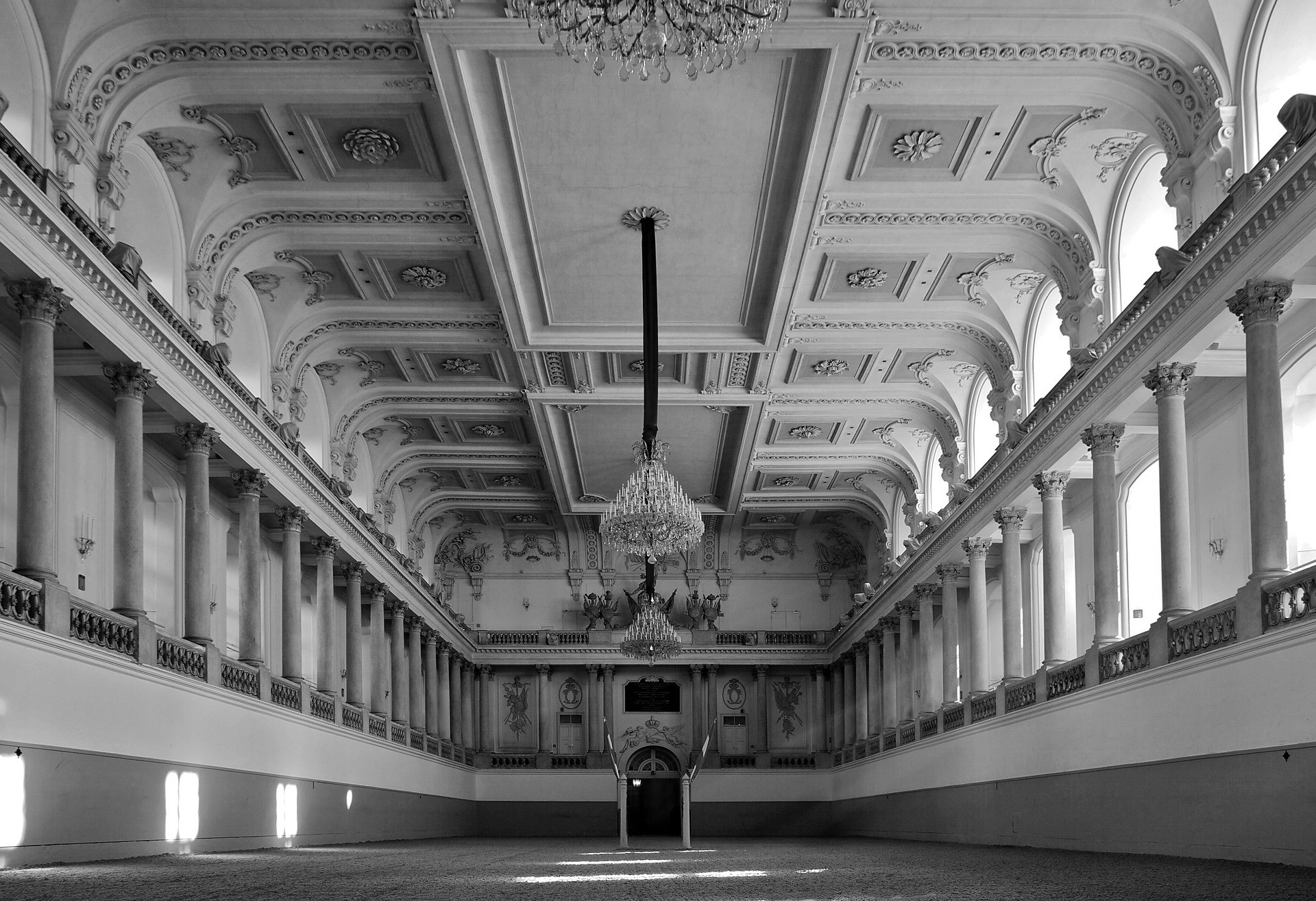
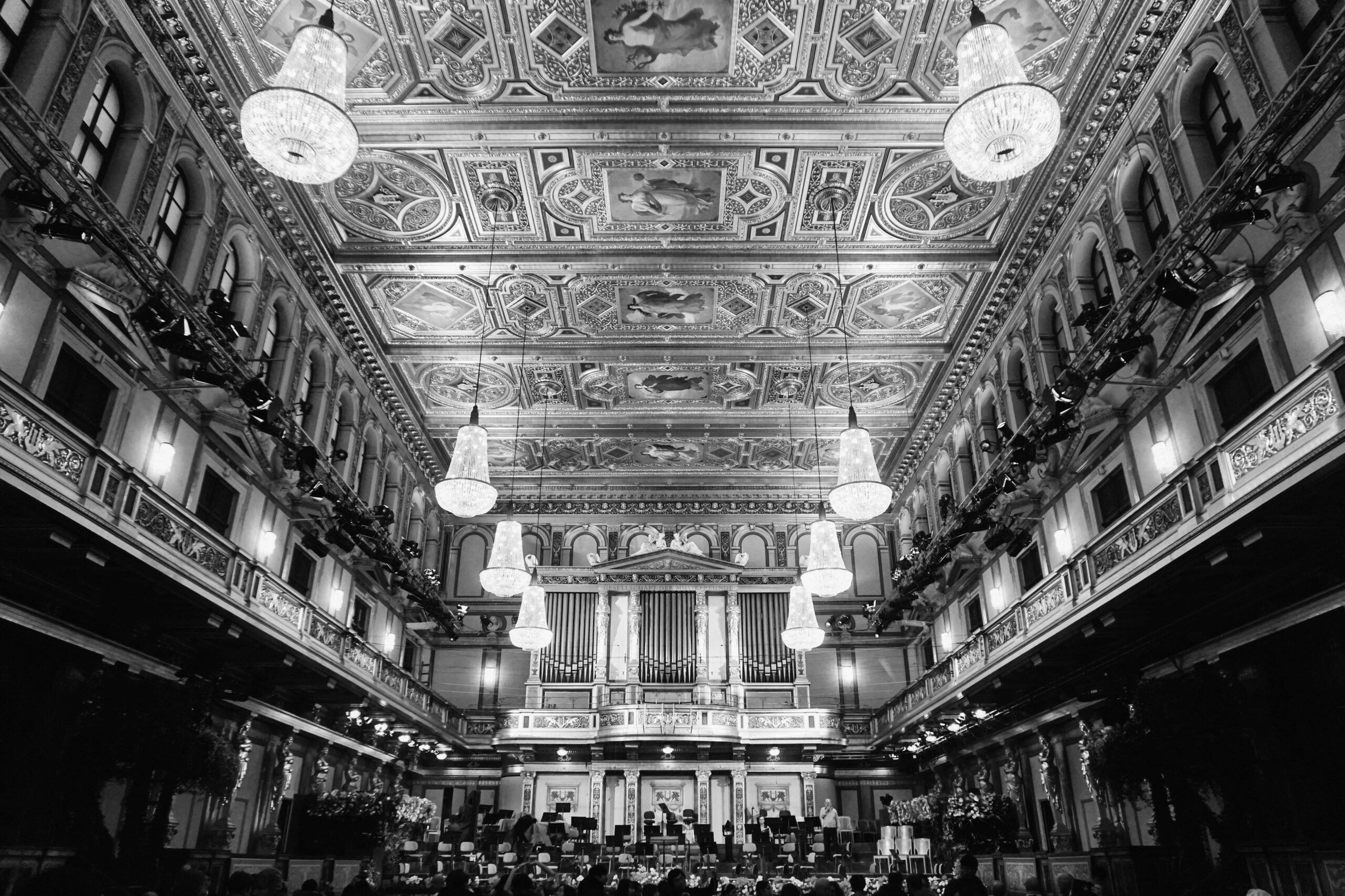
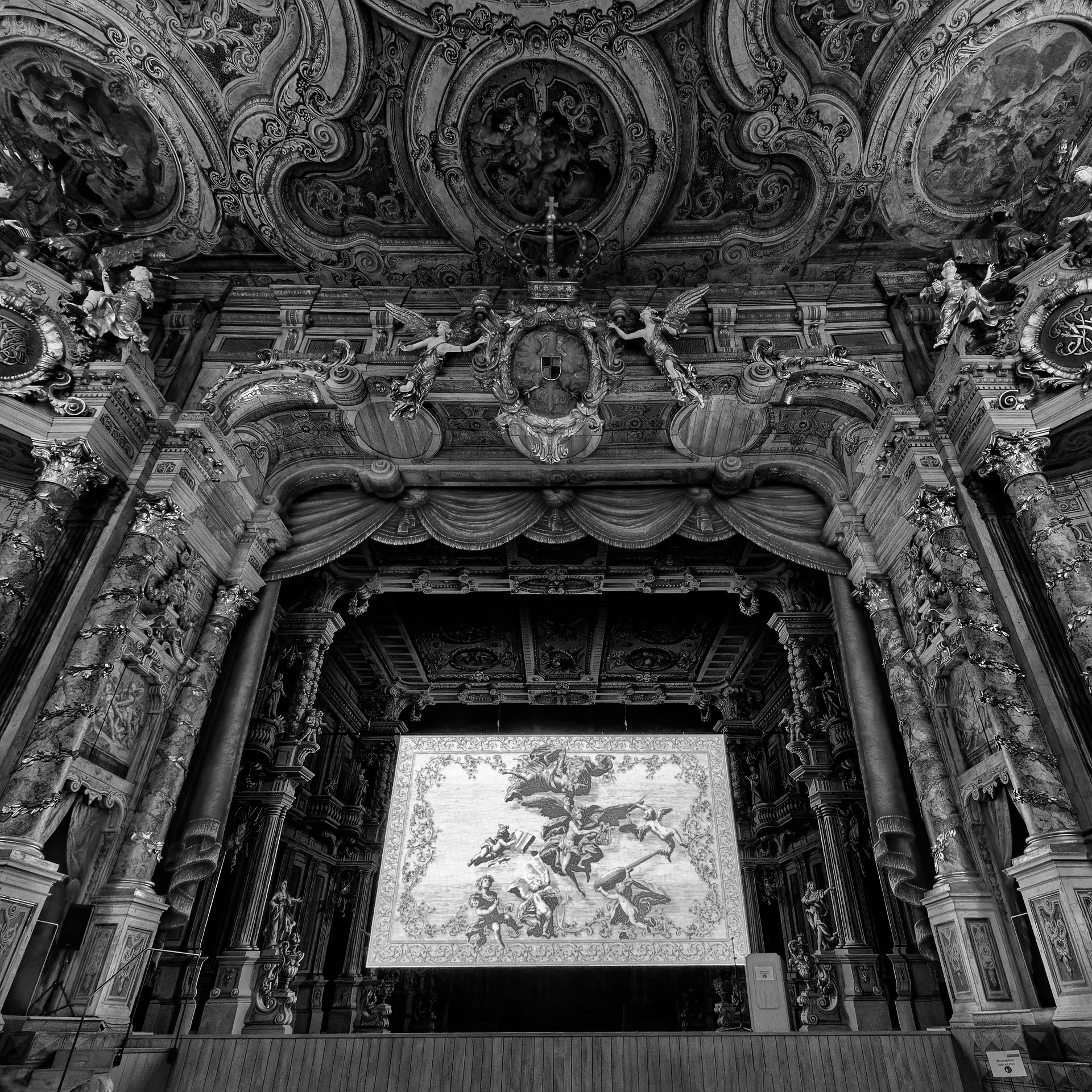
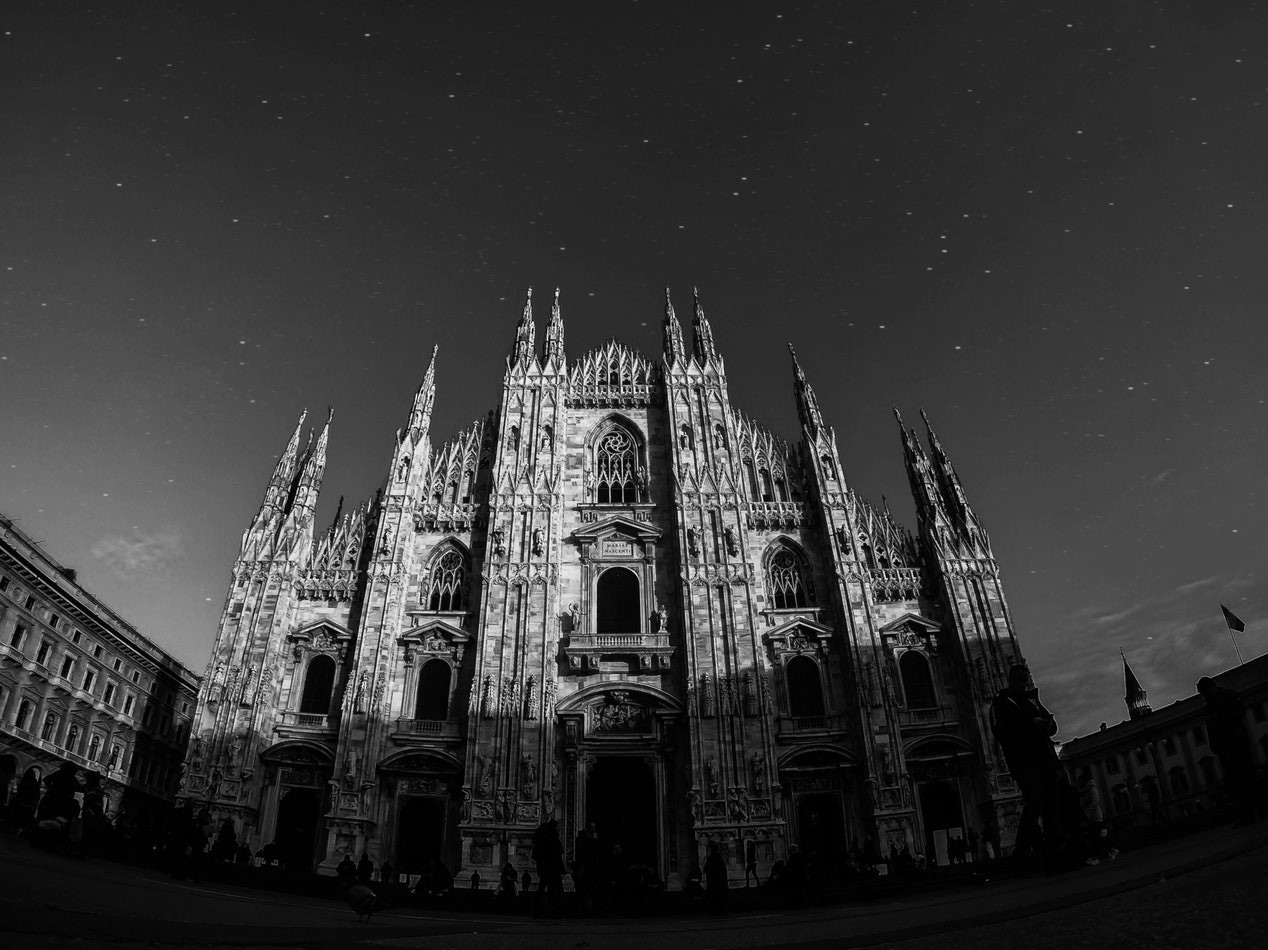
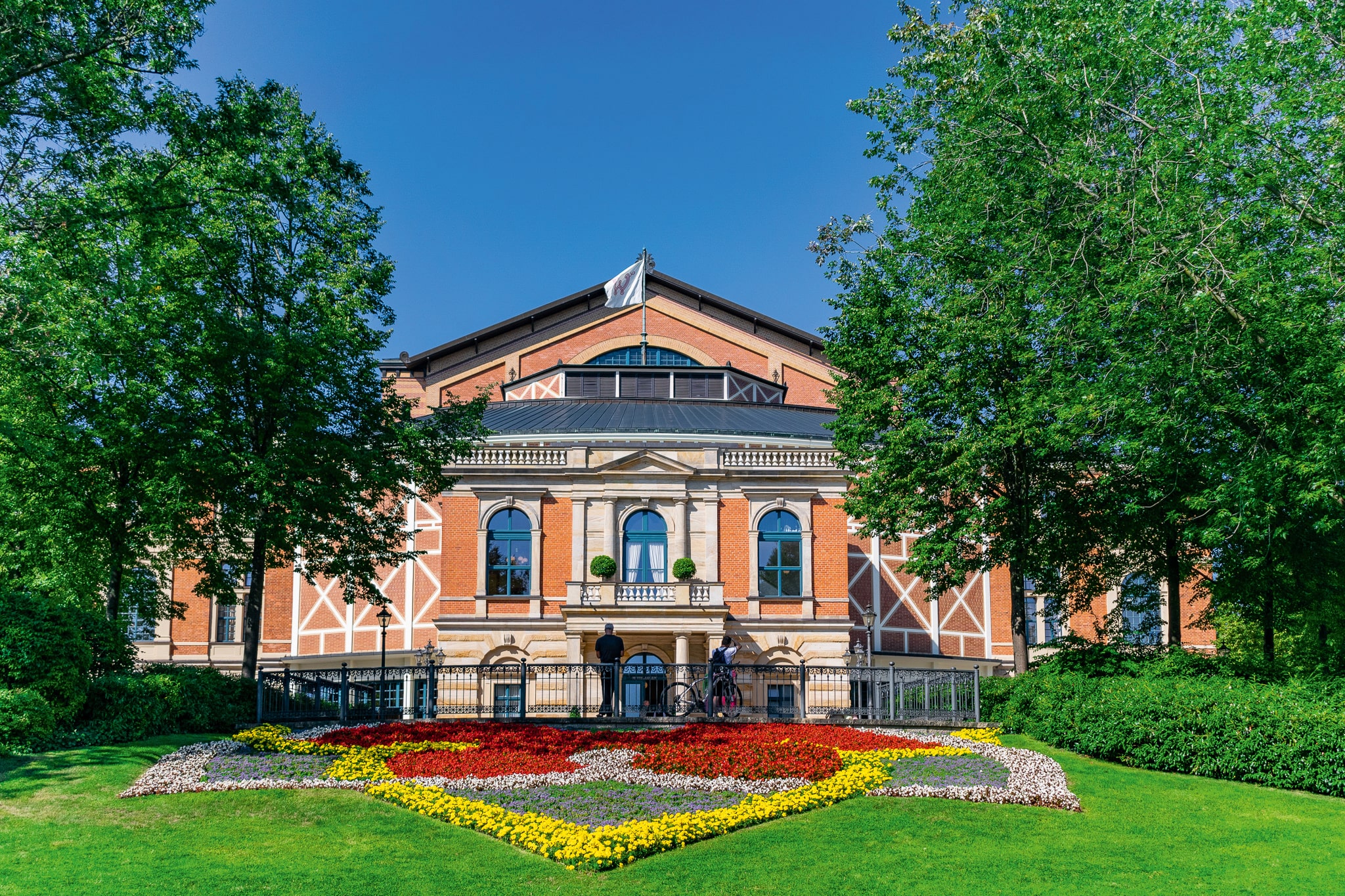
The Festival Opera House of Richard Wagner © Bayreuth Marketing & Tourismus GmbH / Meike Kratzer

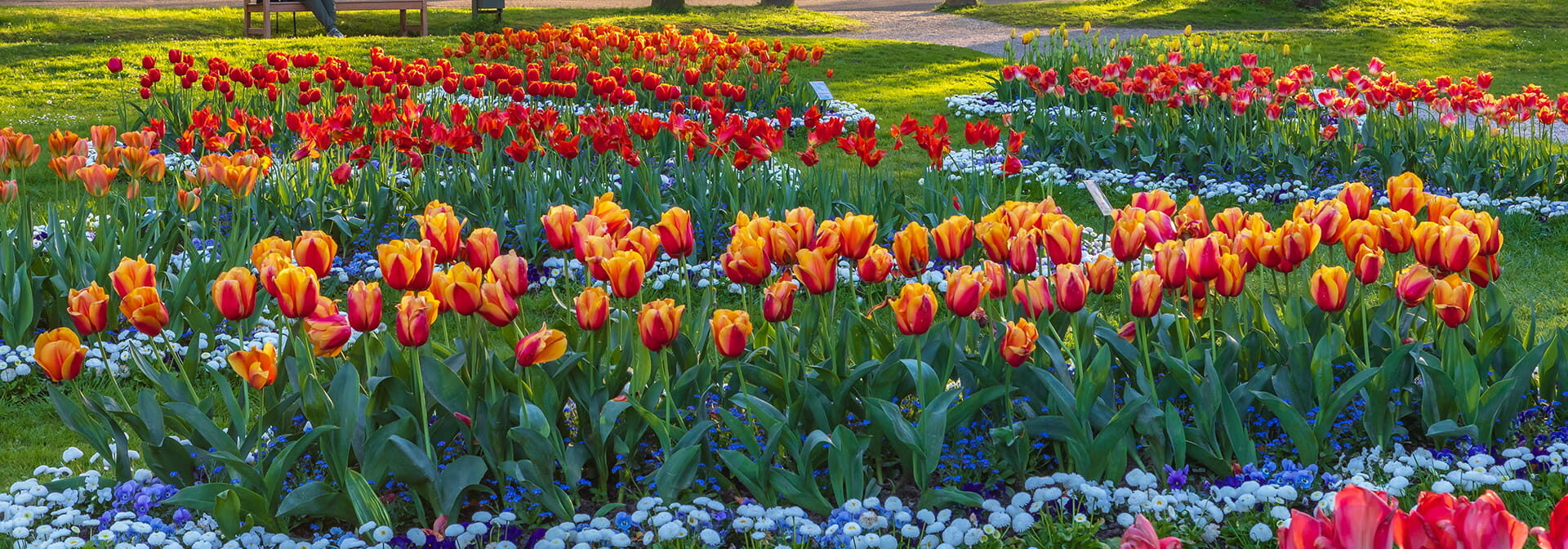
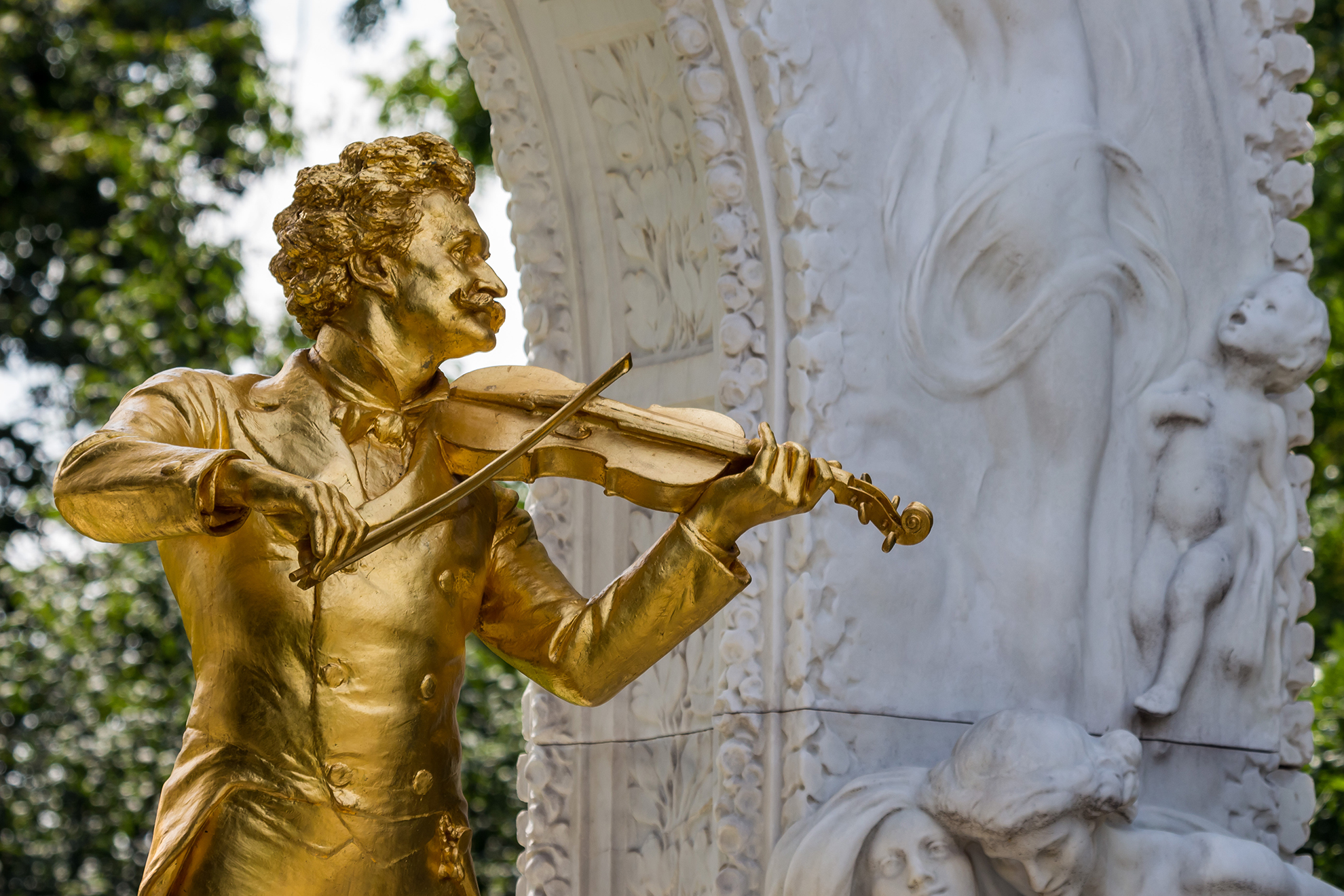
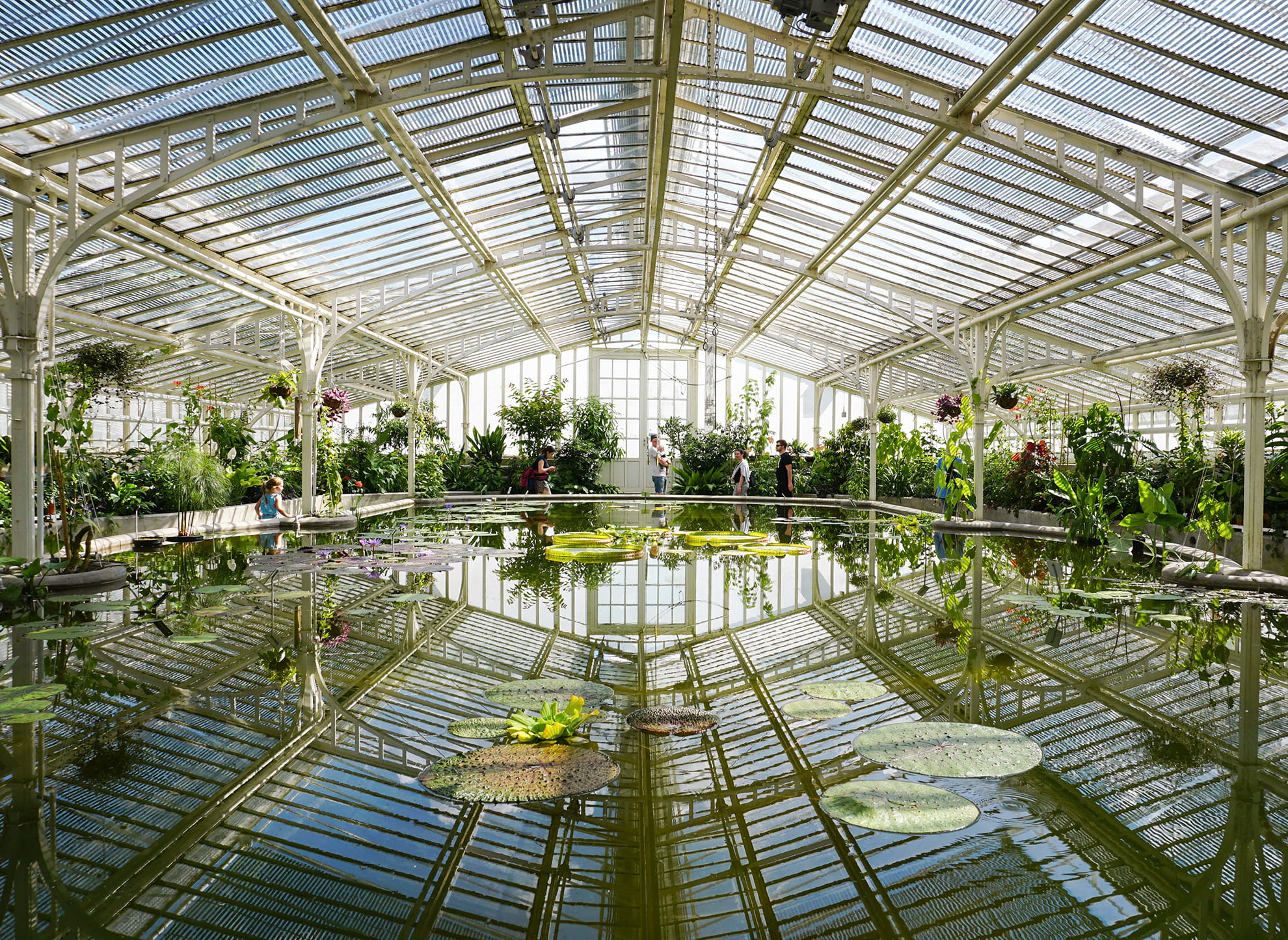
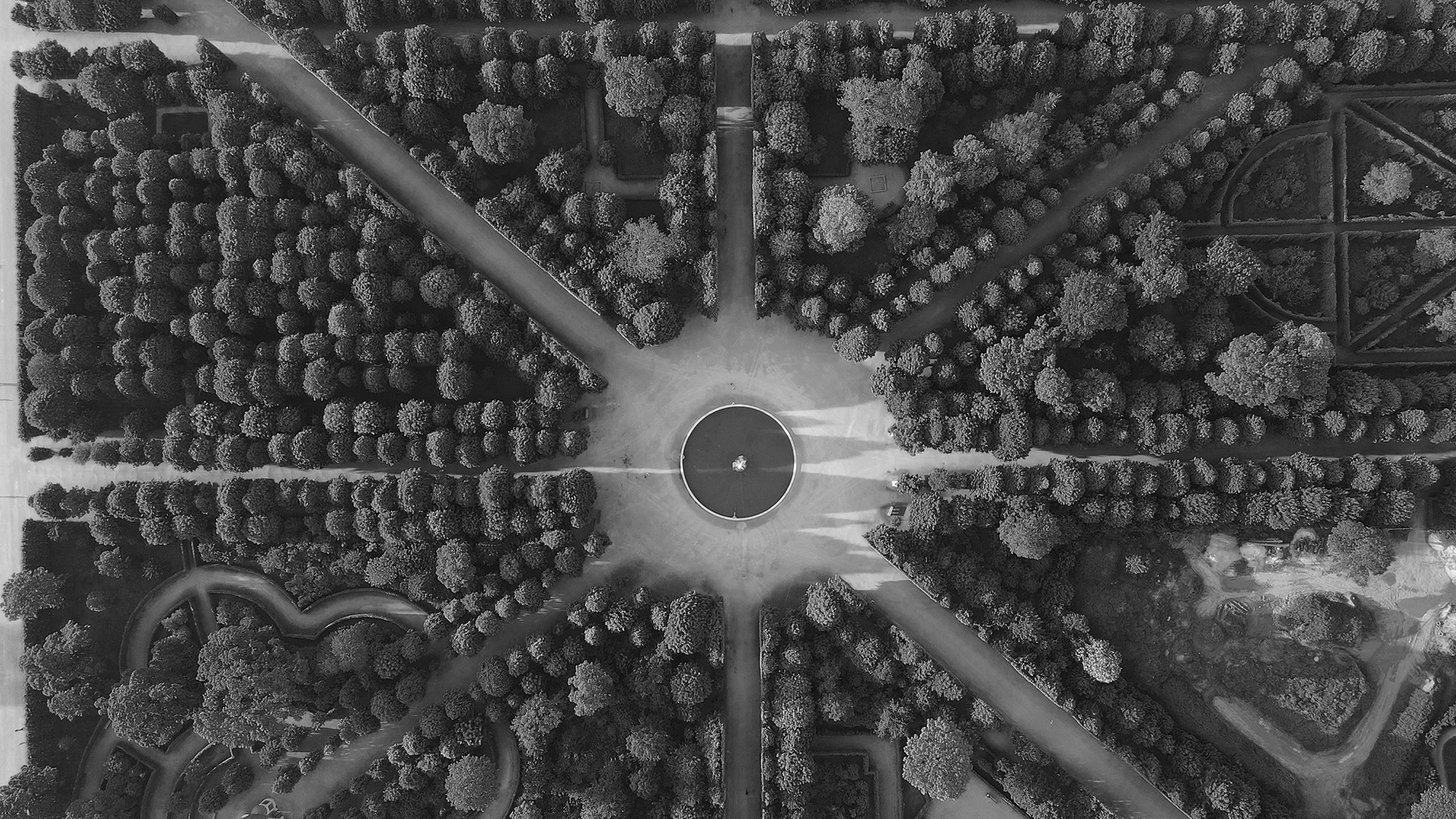
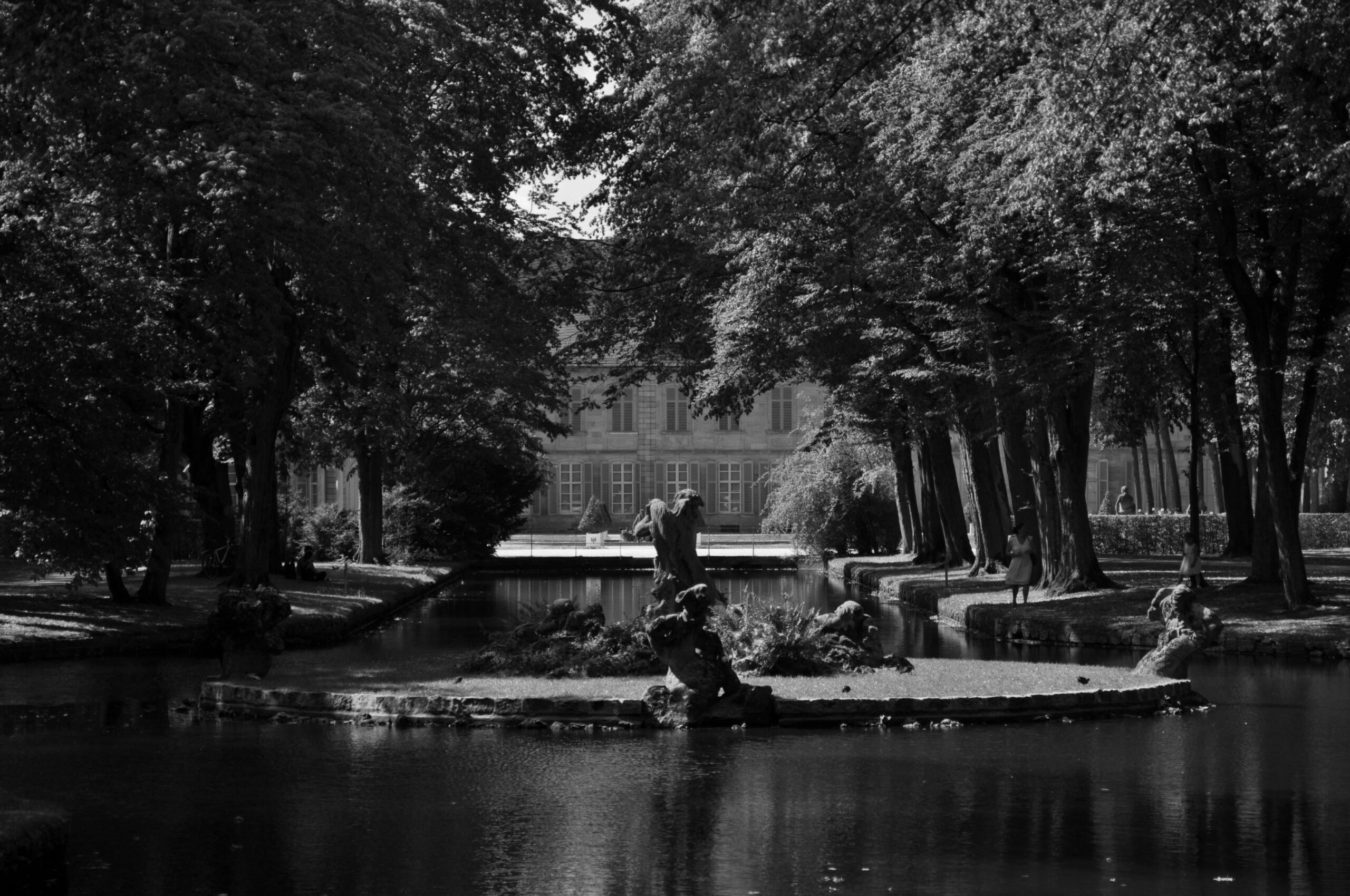
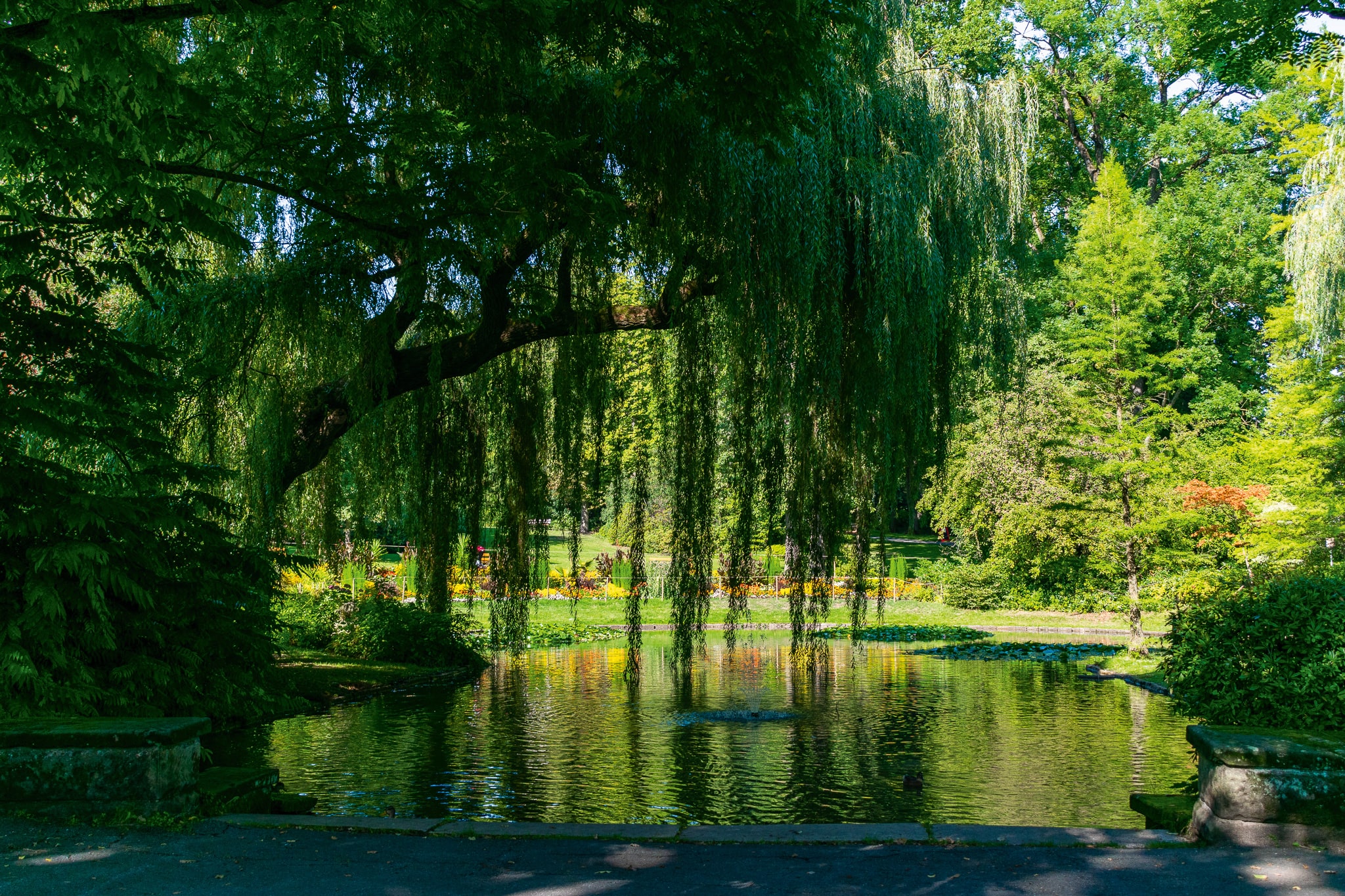
Festival Park © Bayreuth Marketing & Tourismus GmbH / Meike Kratzer

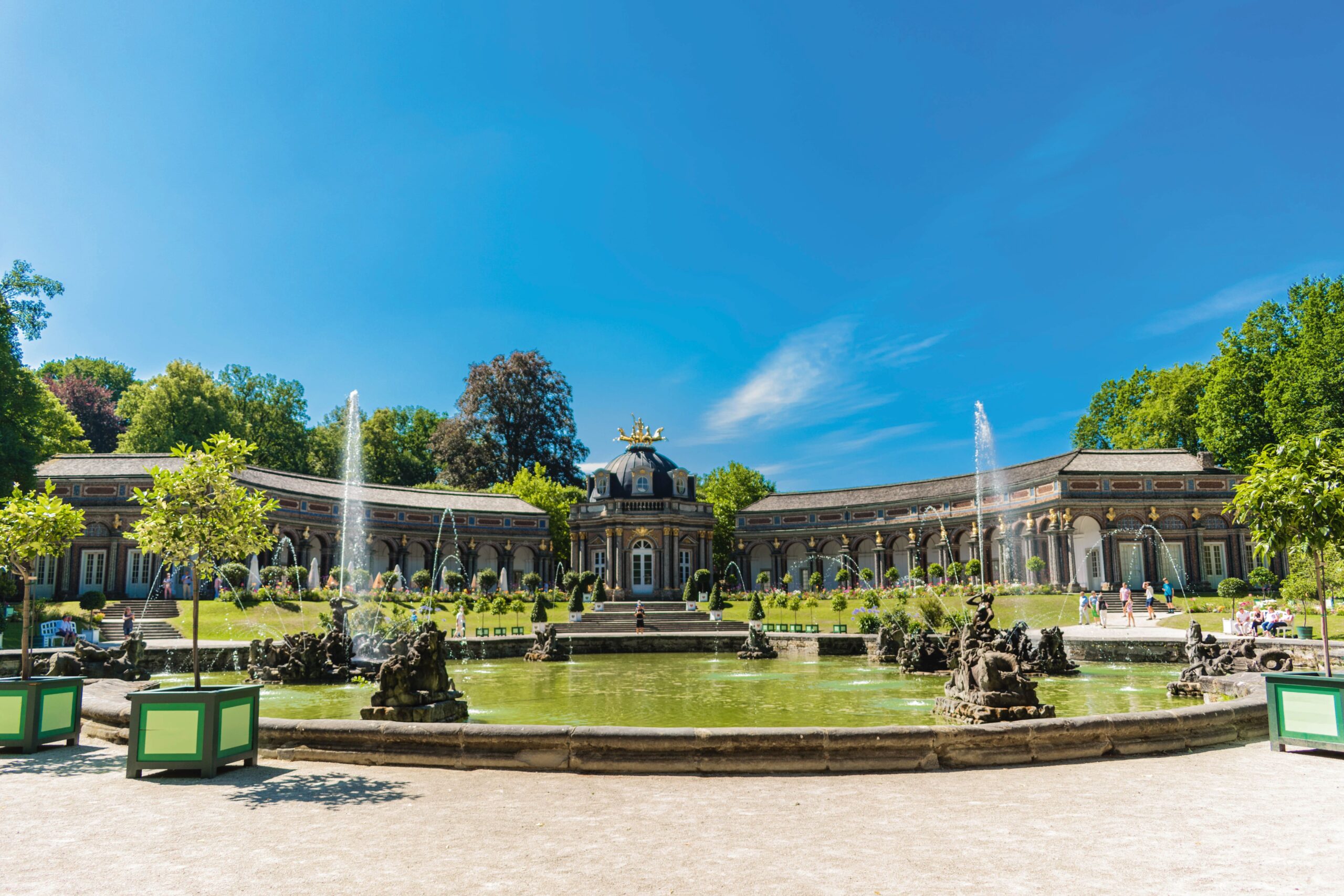
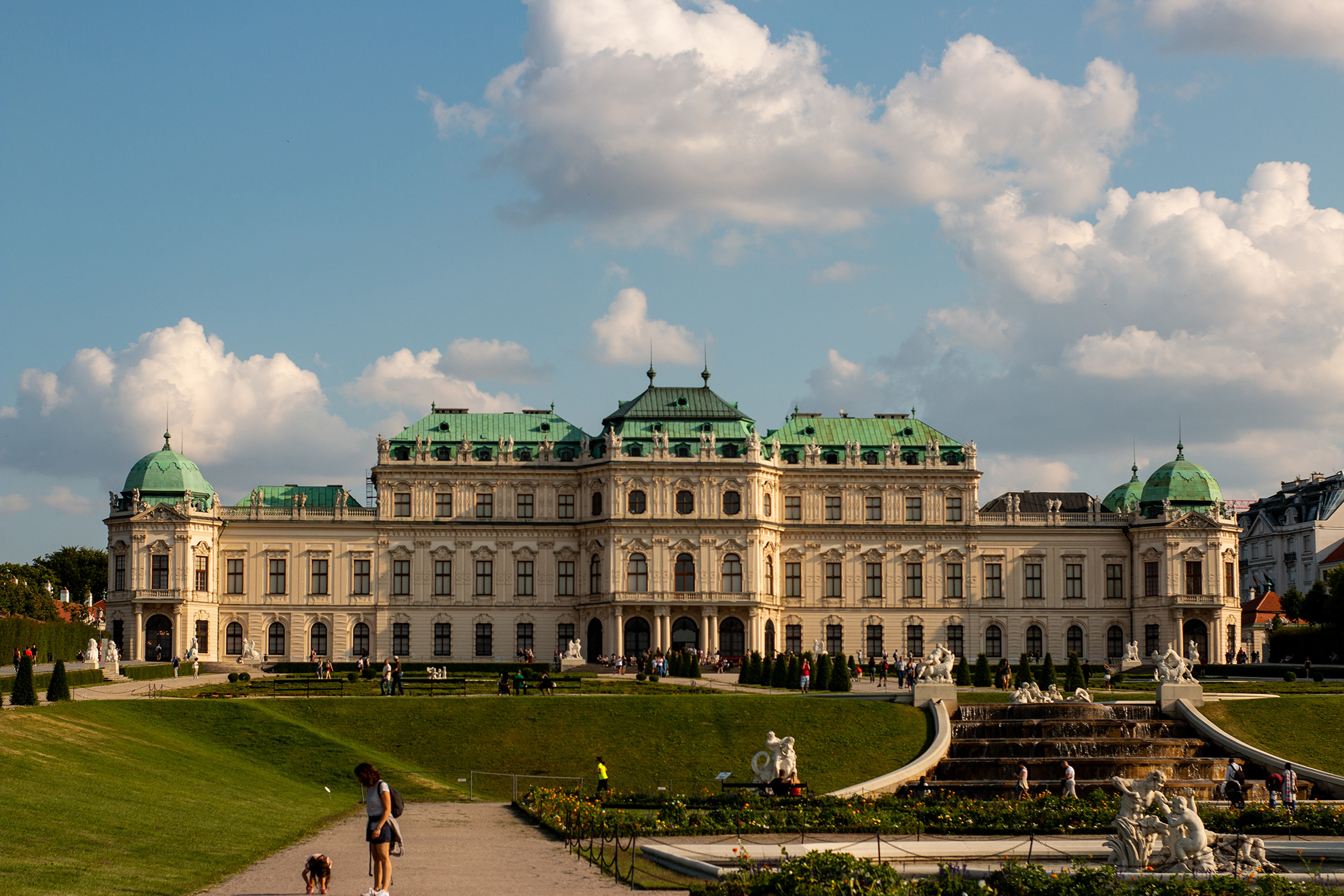
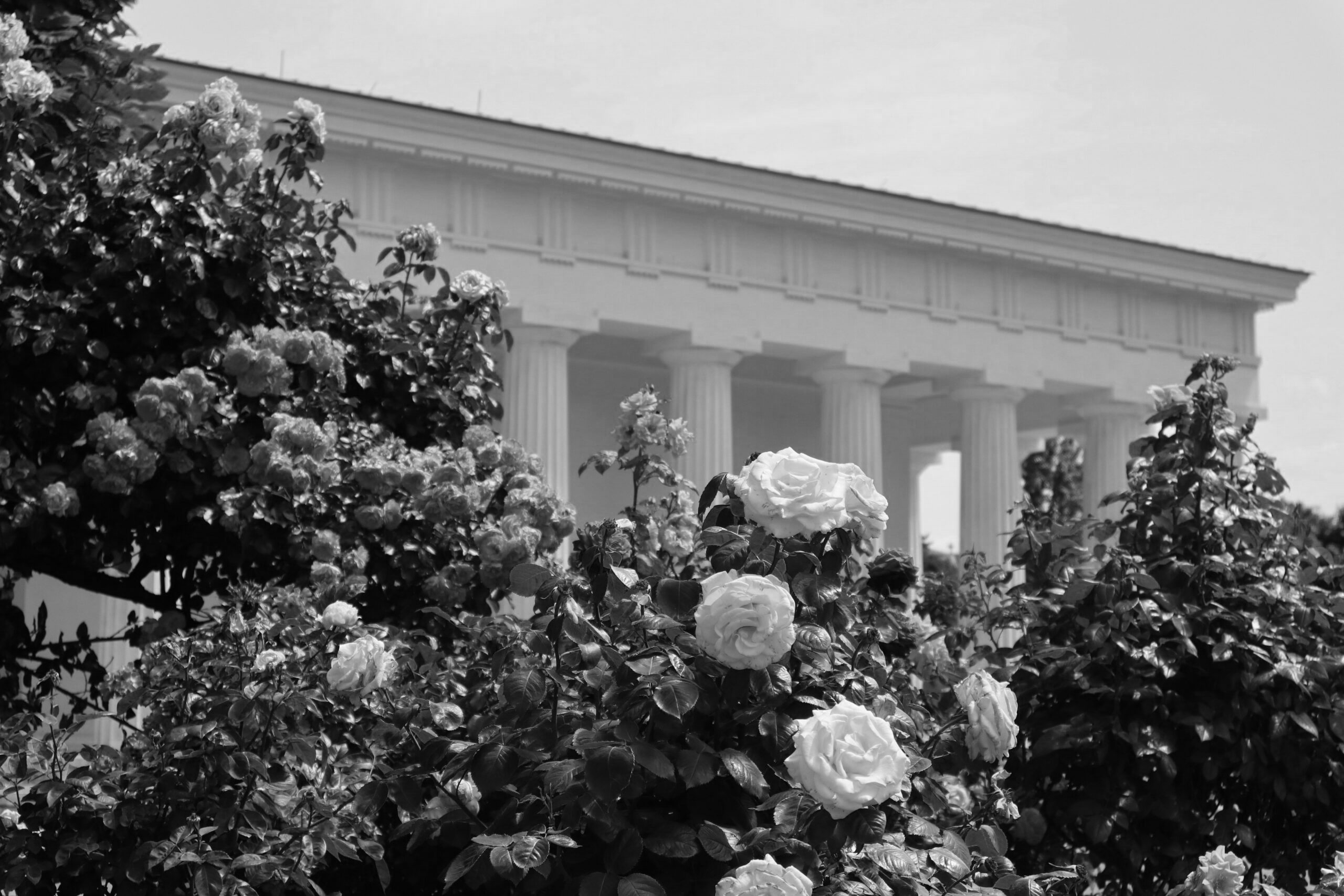
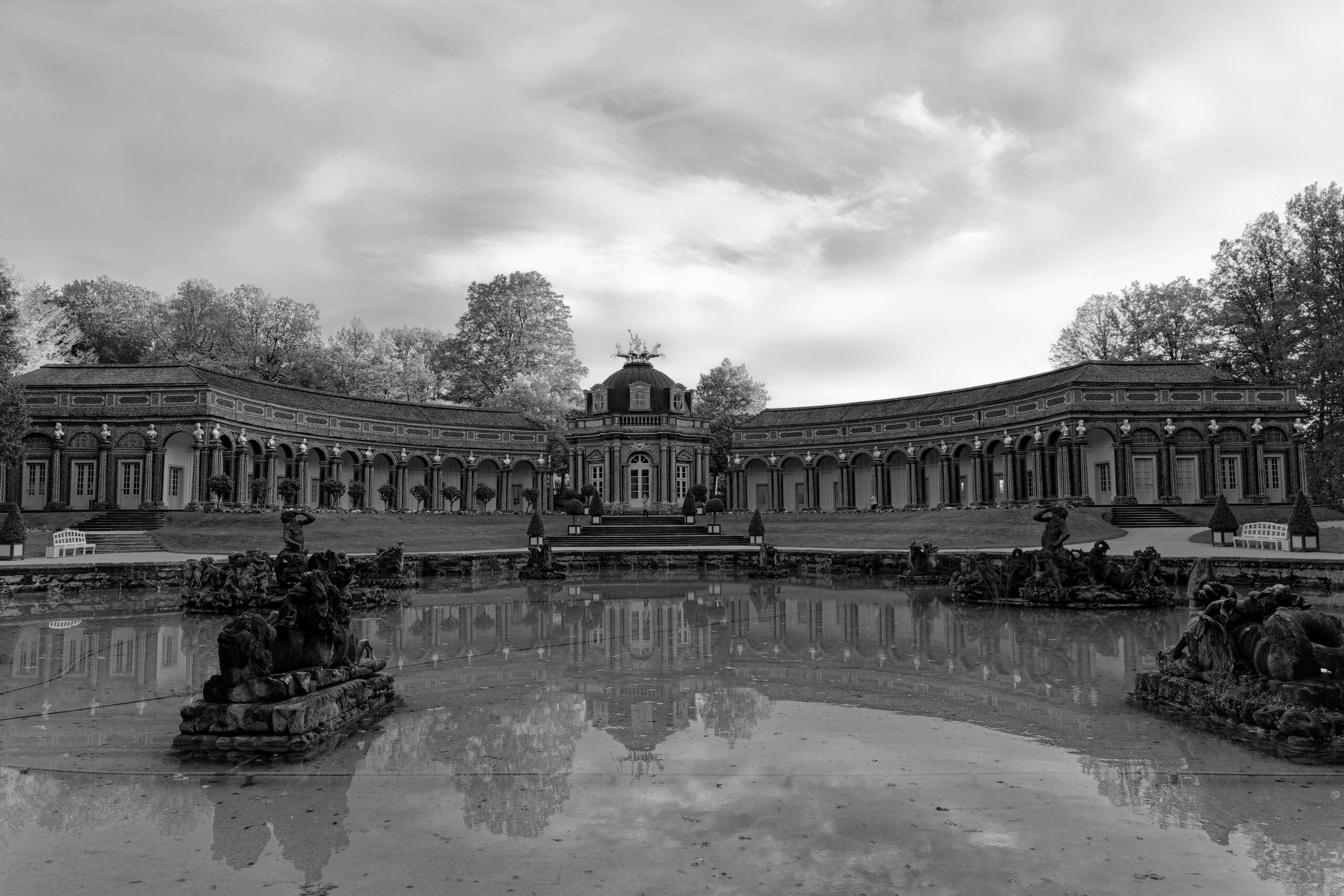
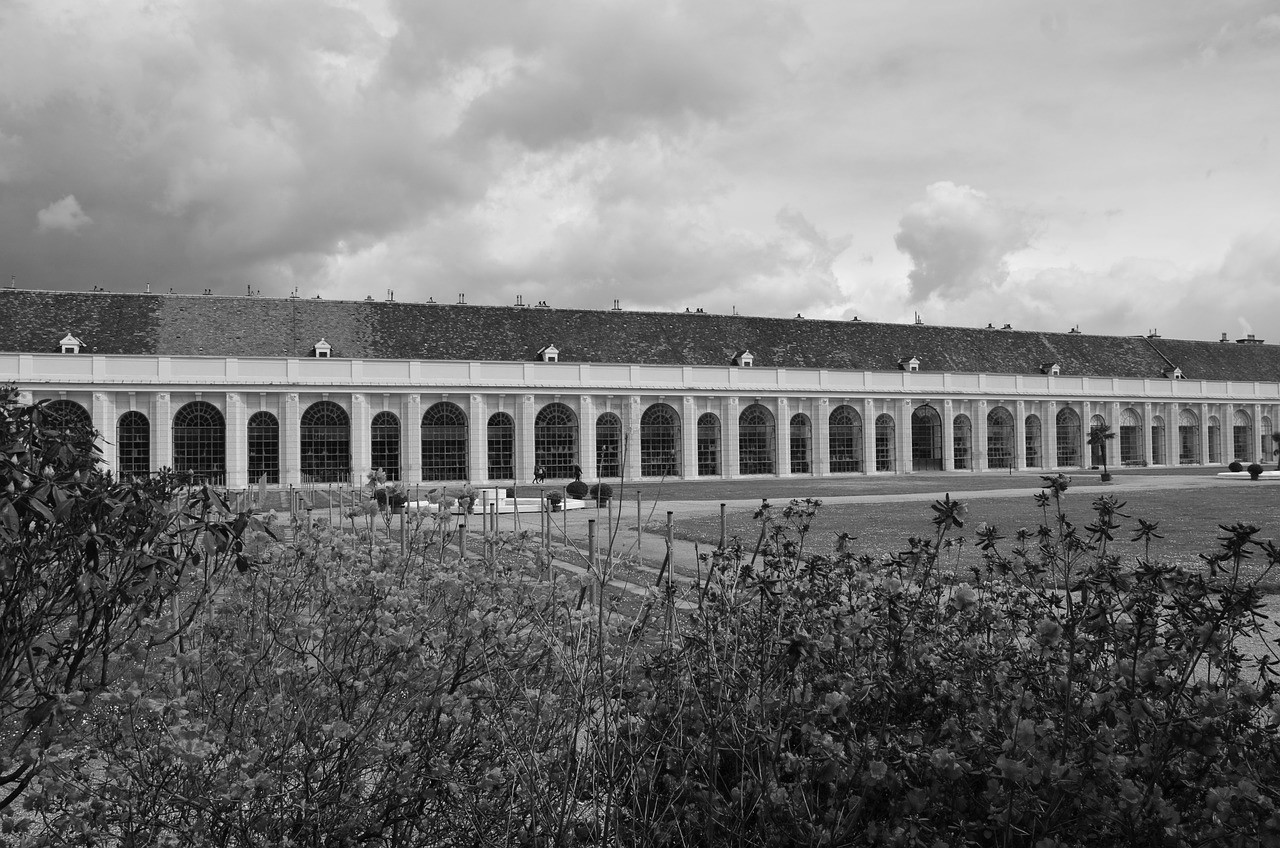
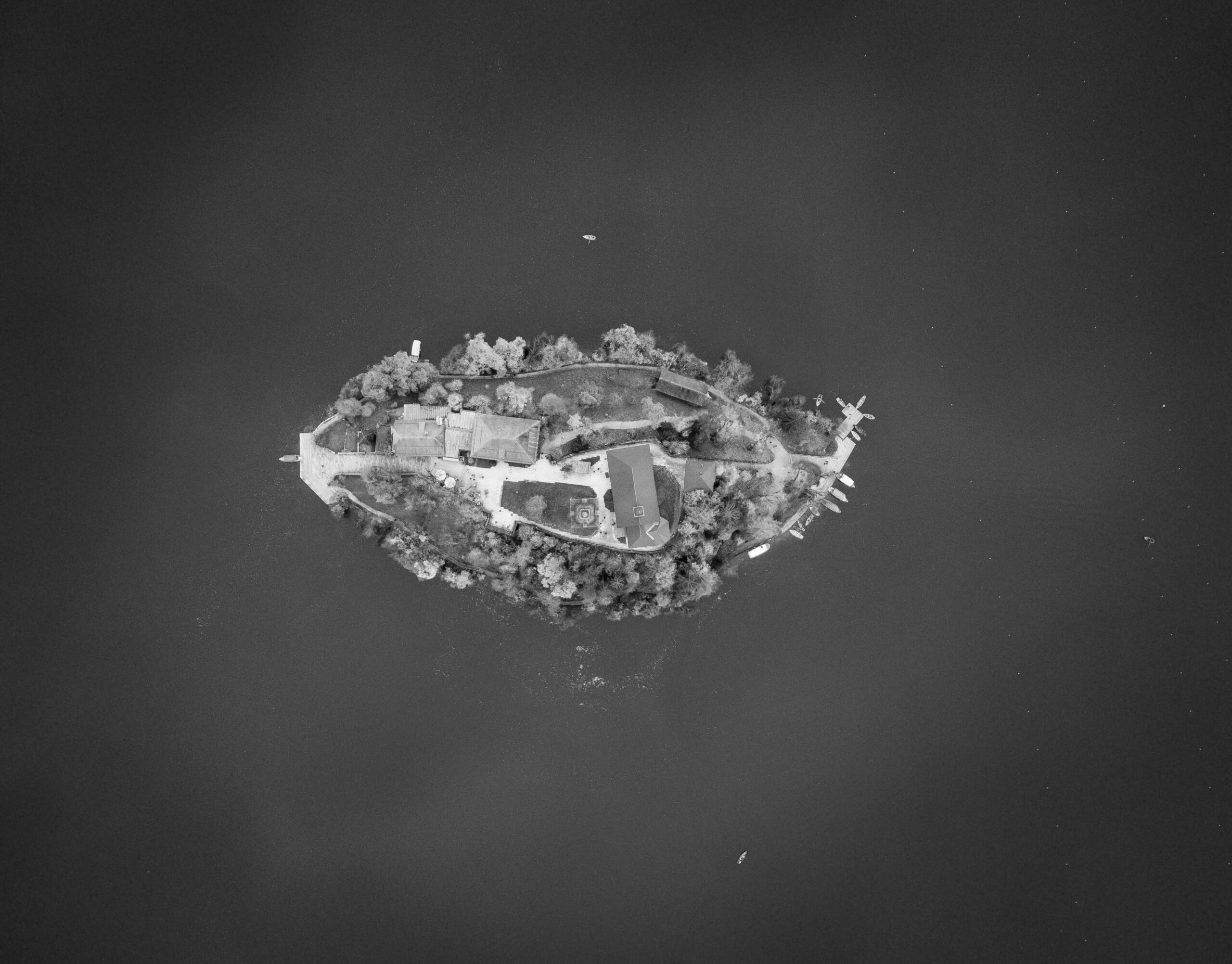
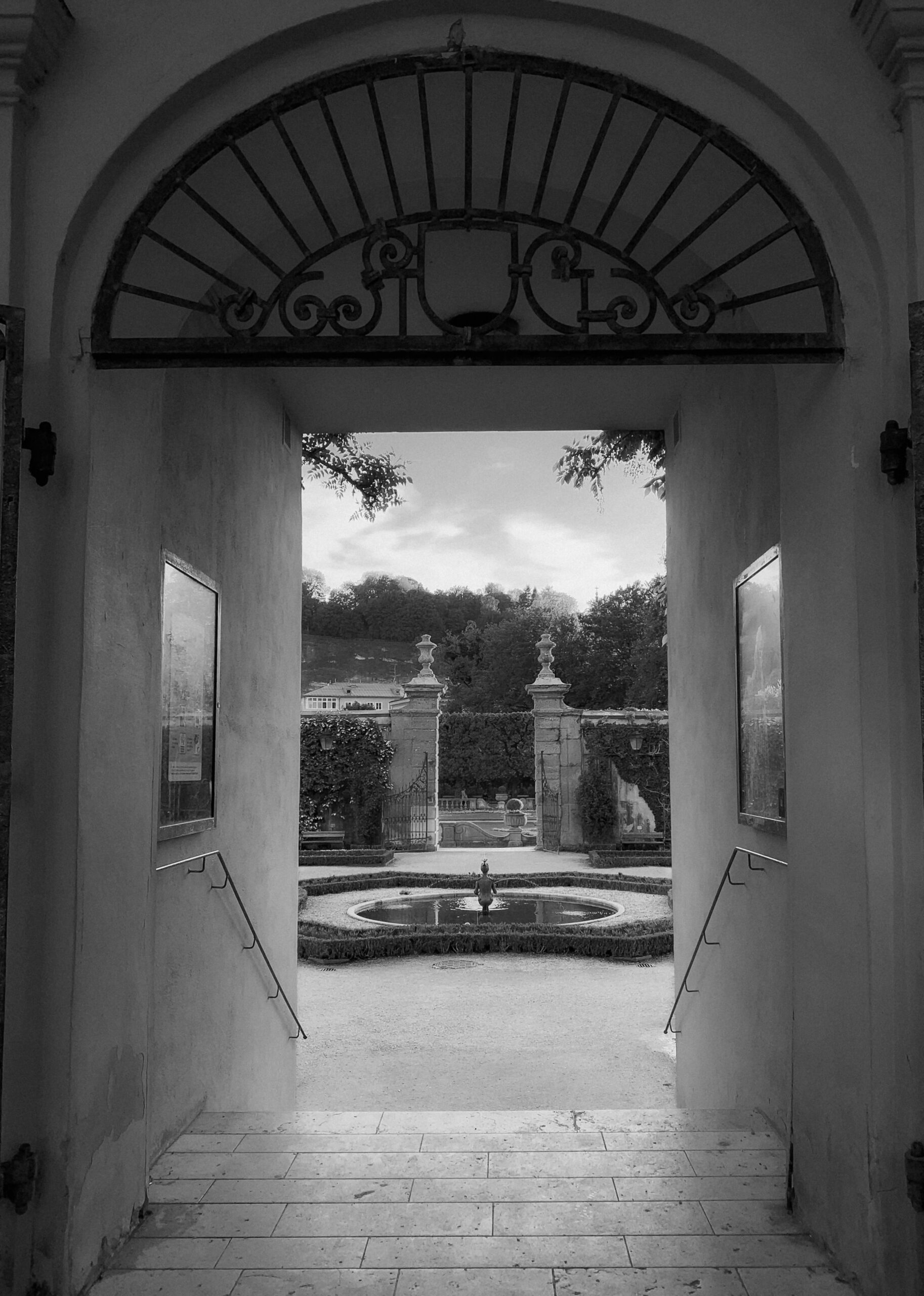
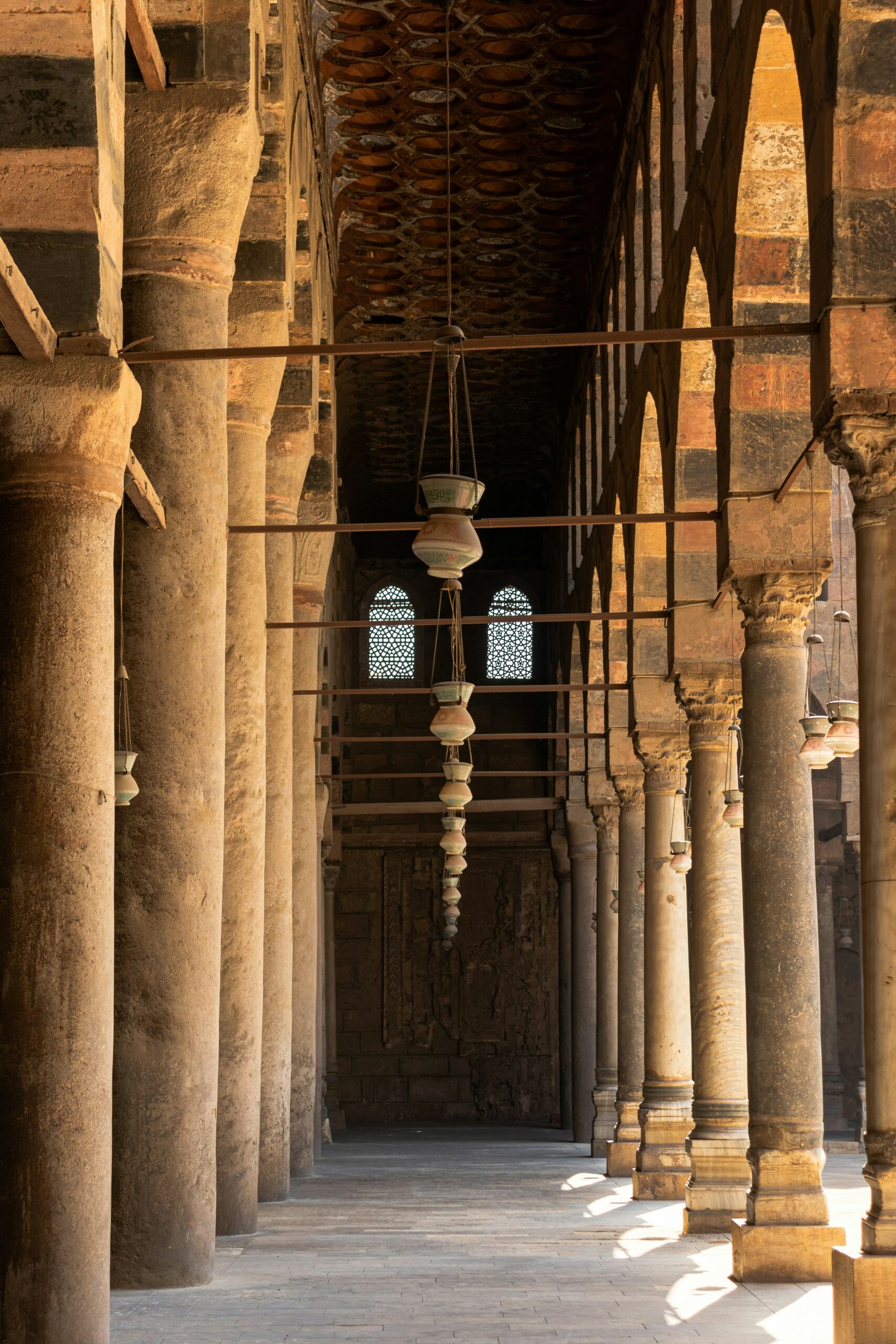
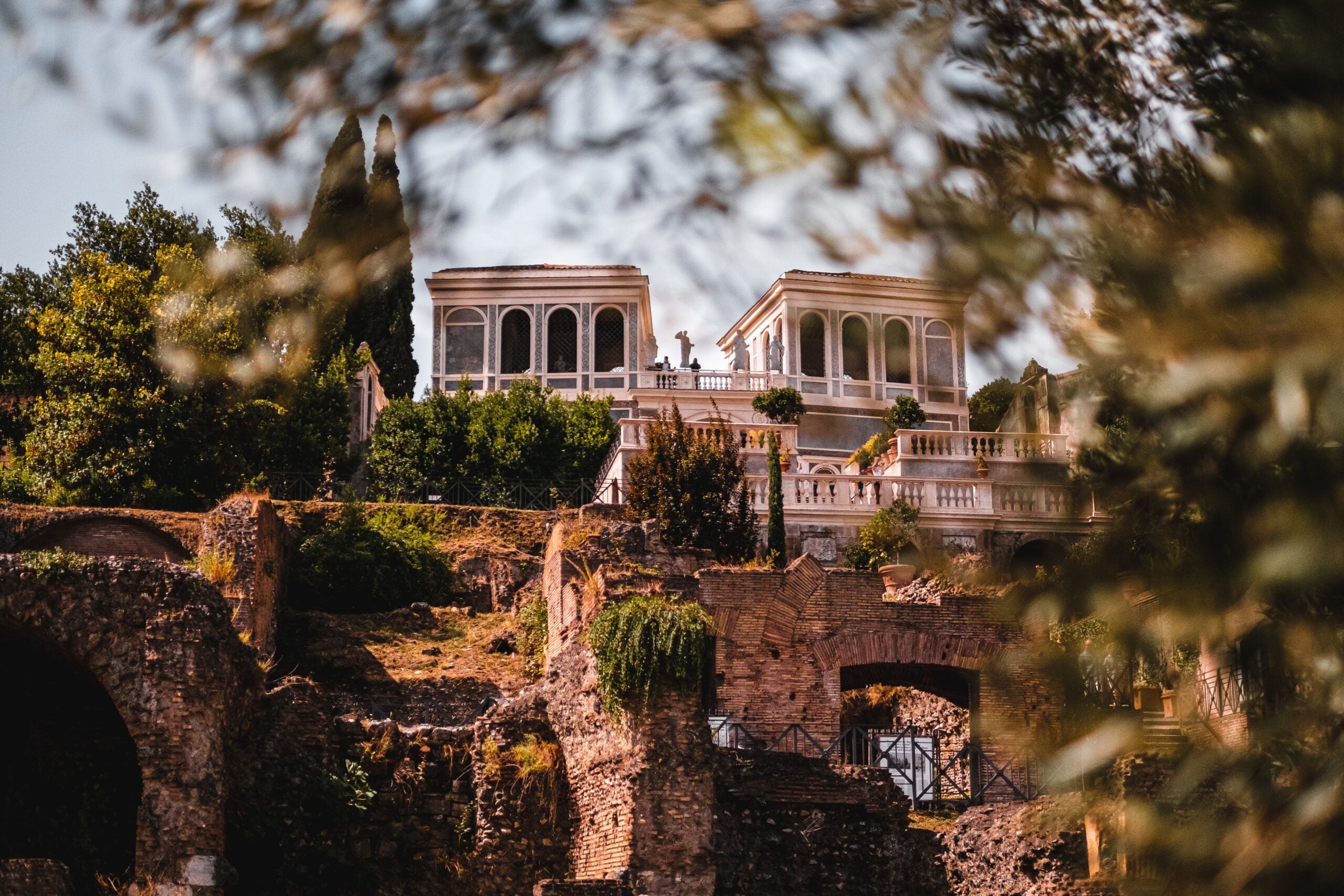
Hermitage Sun Temple and Orangery © BMTG / Kratzer

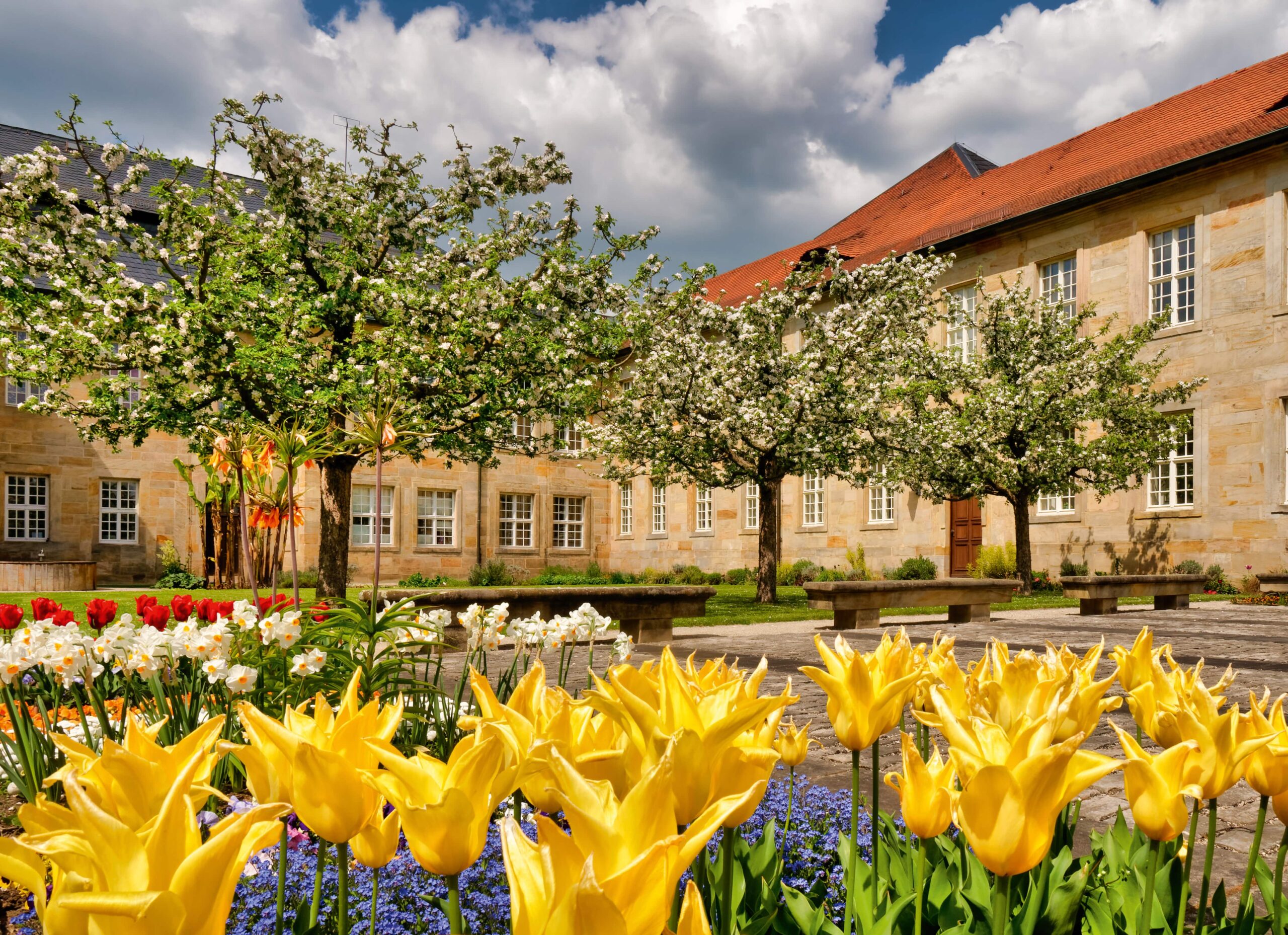
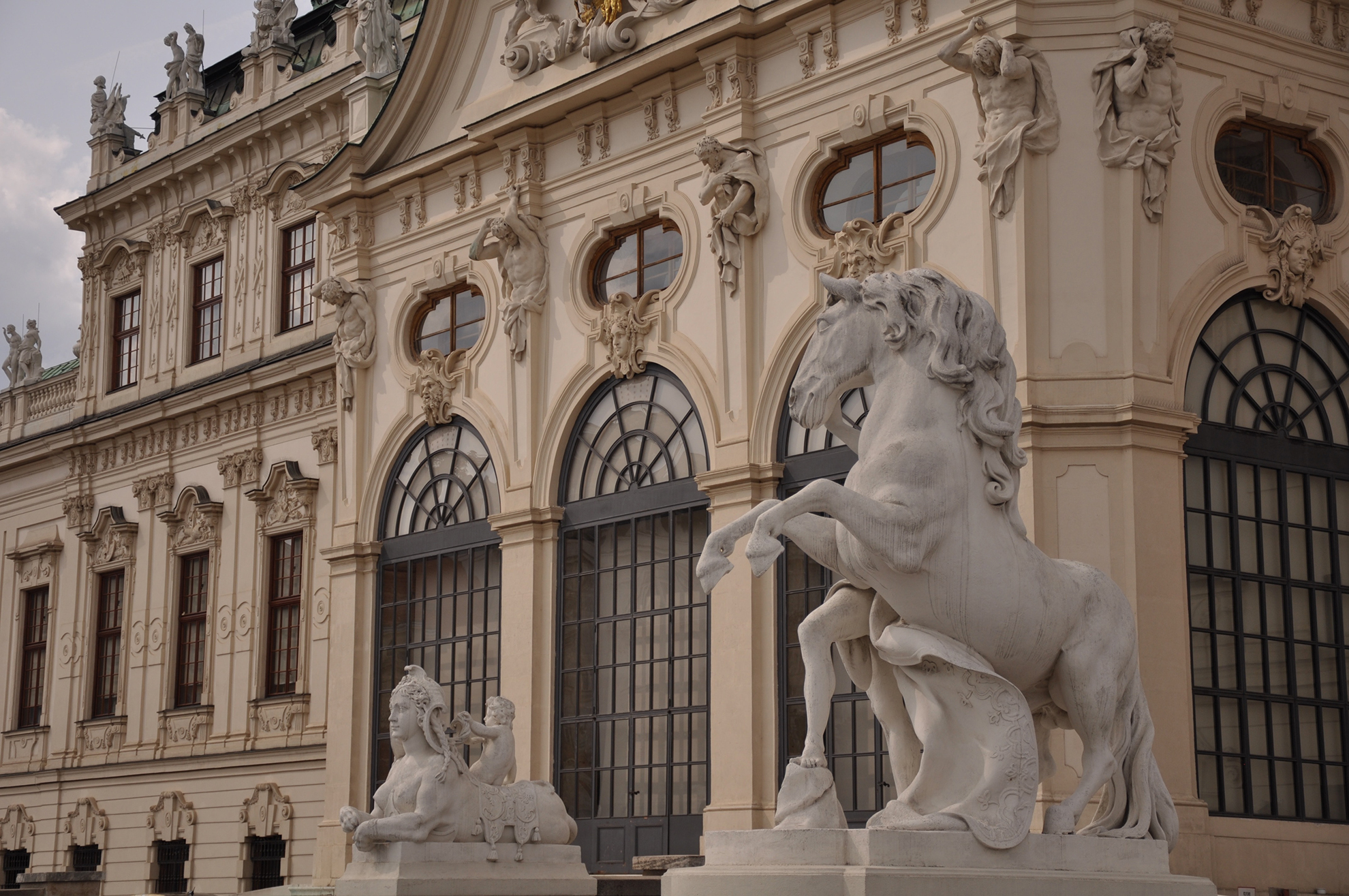
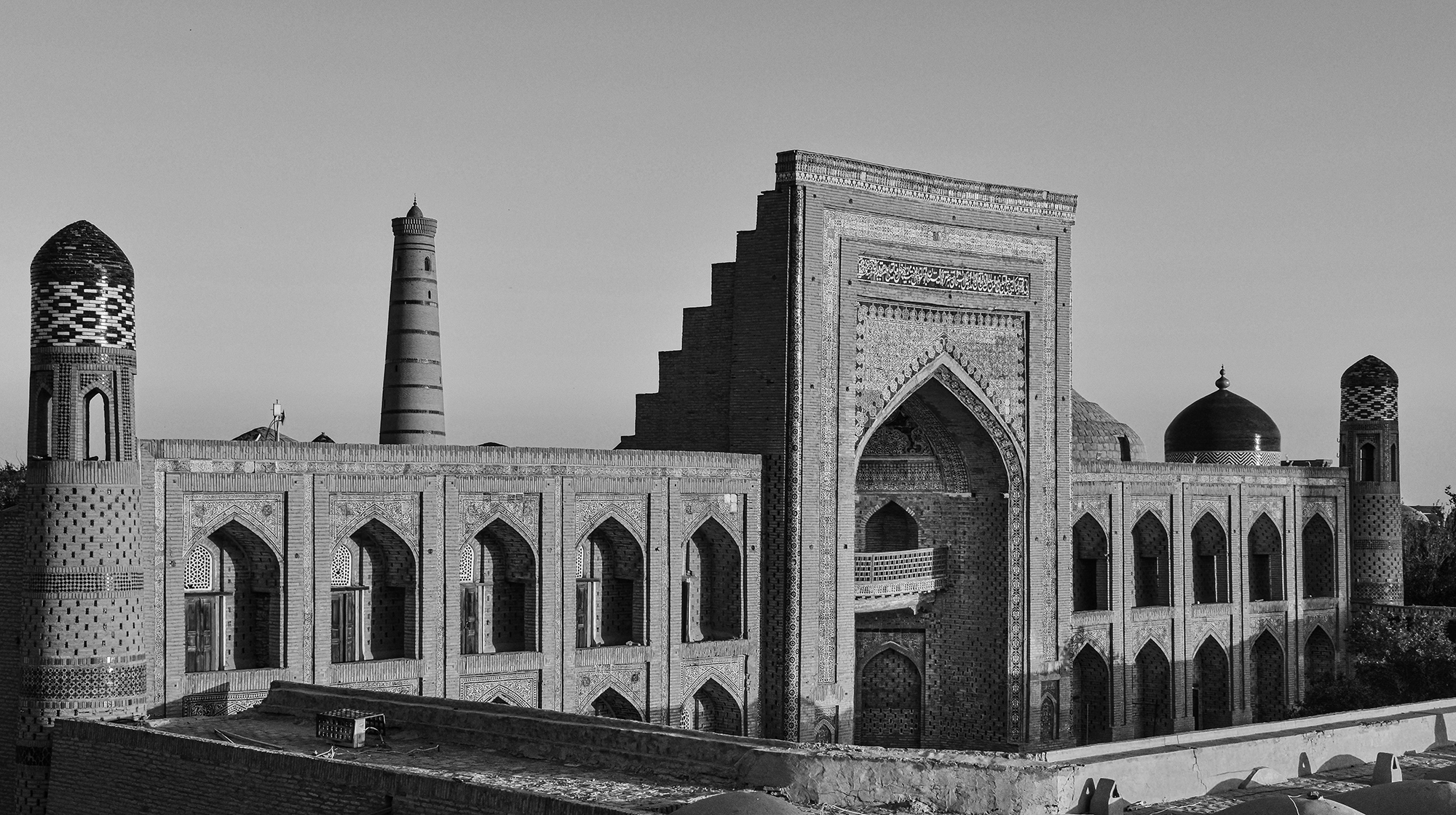
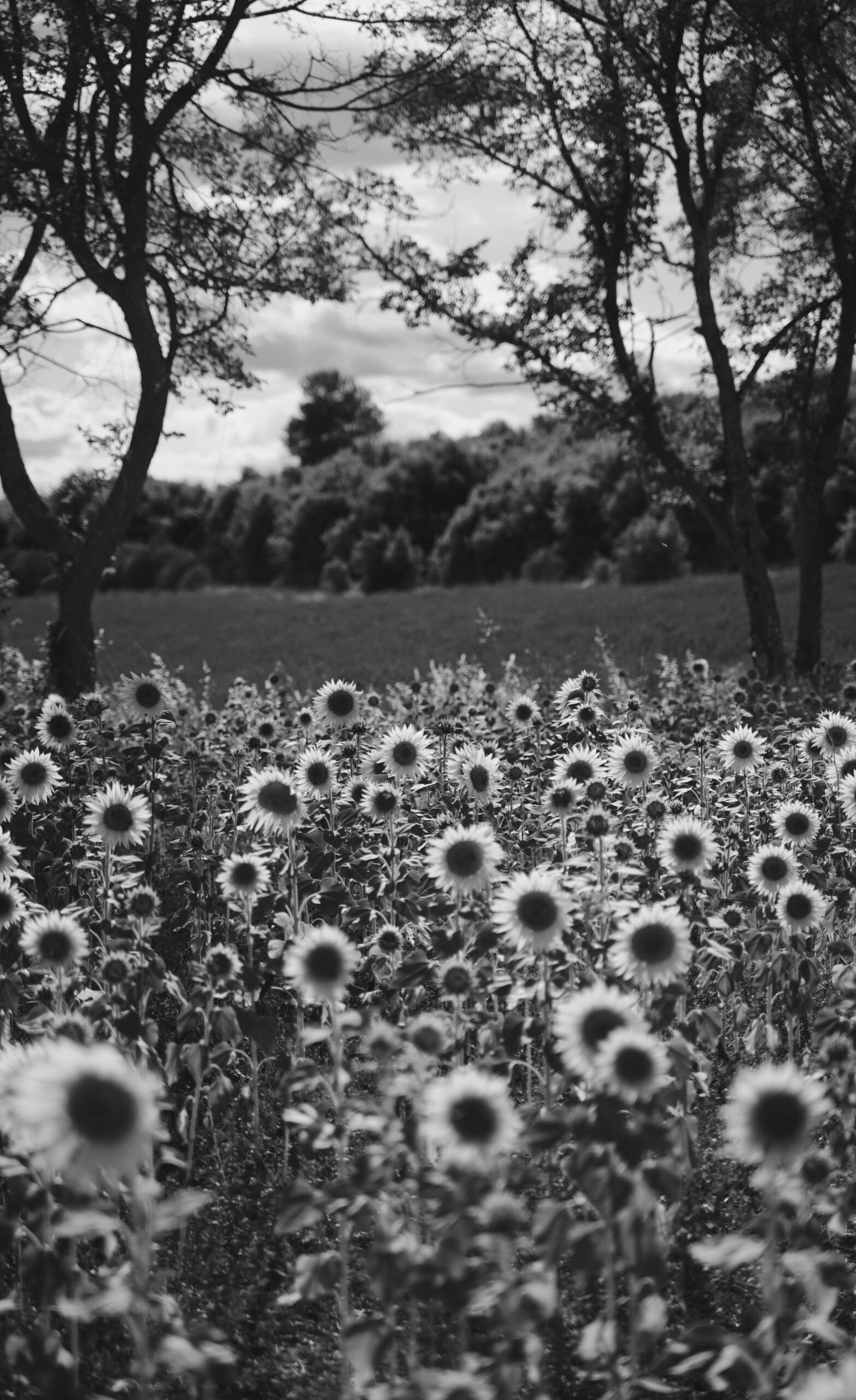
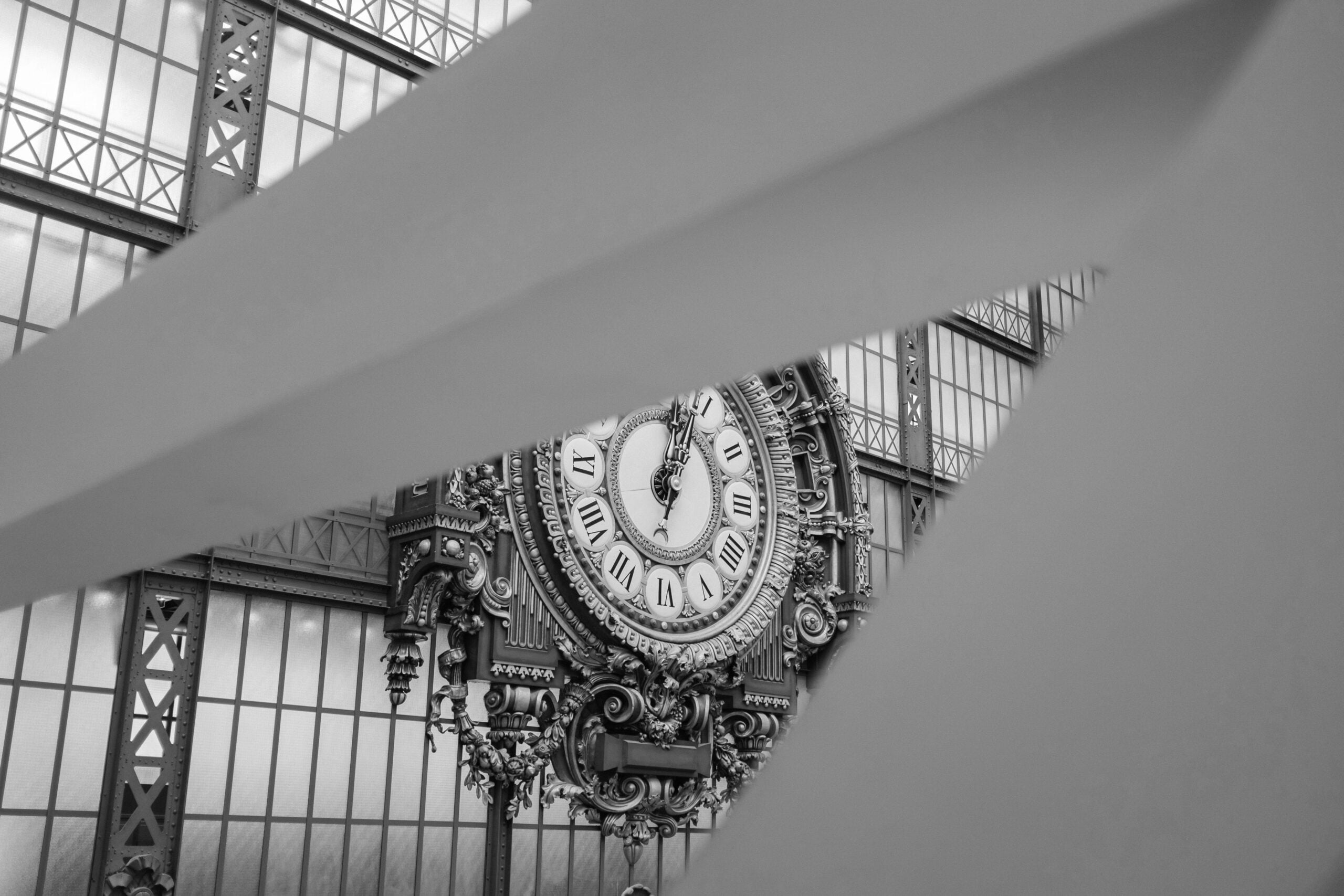
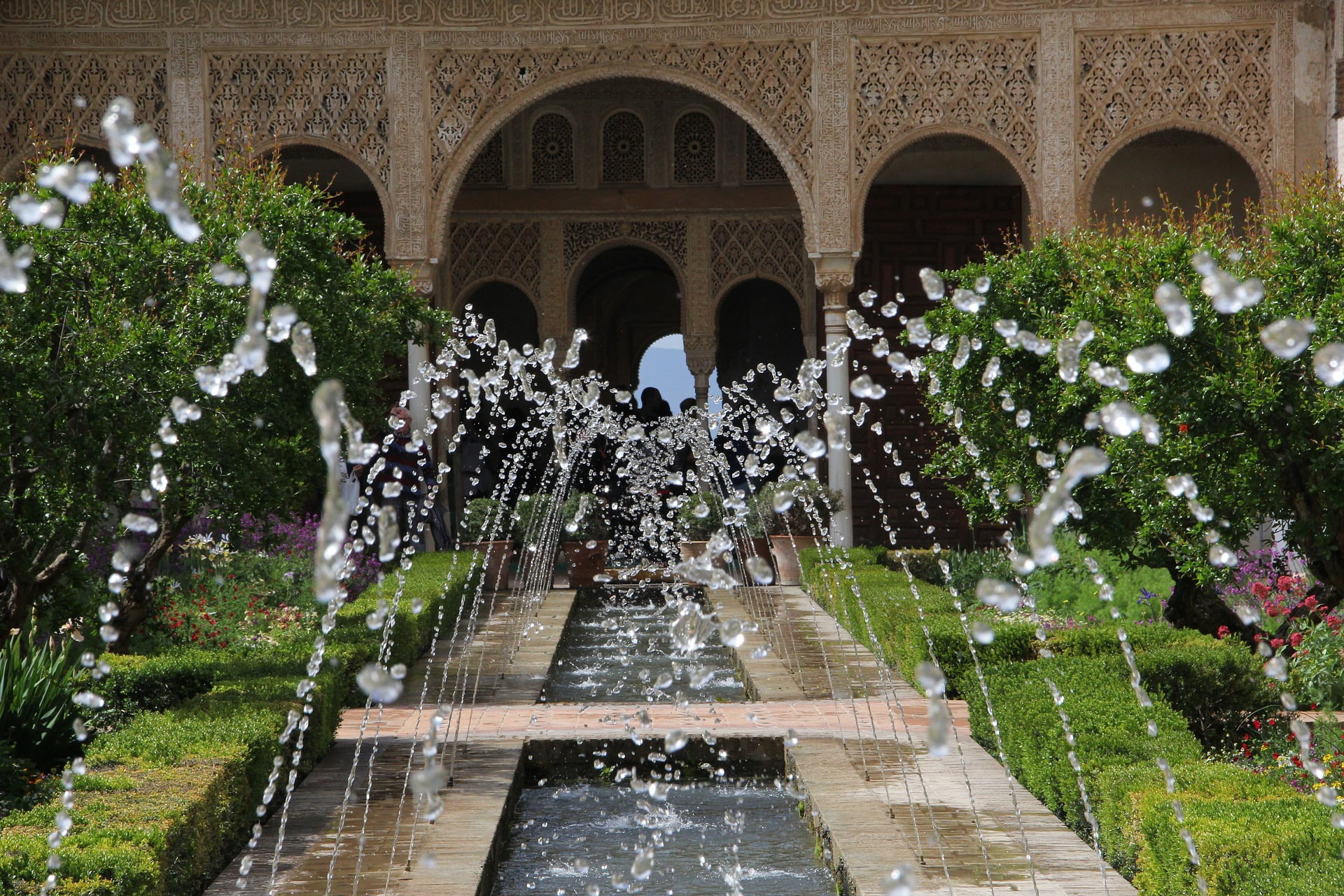
Court Garden in Spring © BMTG / Mikhail Butovskiy
The program
Optional performance — Symphony No. 9, by L. van Beethoven
Saturday 25 July 2026
Optional performance — Rienzi, the last of the tribunes, by R. Wagner
Sunday 26 July 2026
The Rheingold, by R. Wagner
Monday 27 July 2026
The Valkyrie, by R. Wagner
Tuesday 28 July 2026
Optional performance — The Flying Dutchman, by R. Wagner
Wednesday 29 July 2026
Siegfried, by R. Wagner
Thursday 30 July 2026
Optional performance — Parsifal, by R. Wagner
Friday 31 July 2026
Twilight of the Gods, by R. Wagner
Saturday 1 August 2026
THE RING — TETRALOGY BY RICHARD WAGNER

Wagner’s Ring is a monolith in the history of music. This fabulous four-part epic took up almost twenty years of Wagner’s life. For some fifteen hours (spread over four evenings), the German composer draws on the sources of Germanic mythology to create a spectacle of total art, a miraculous fusion of theatre and music. A special festival palace had to be created in Bayreuth to host such a monument!


The Ring (known as The Ring of the Nibelung) is a monument to the history of humankind. Drawing inspiration from ancient Germanic legends, Richard Wagner created a singular musical achievement: four consecutive operas (a prologue followed by three full evenings) that together form a whole lasting around twenty hours. Yet nearly twenty years separate the first work from the last. Composed in 1854, Das Rheingold has musically little to do with the idiom of Götterdämmerung. Nevertheless, Wagner binds his works together using famous ‘leitmotifs’ and a dense network of echoes in meaning and thematic development. While the music abounds in bravura passages – the kind that makes one’s heart race in anticipation when one knows the cycle (to name just a few for pleasure’s sake: the Rheingold prelude, the Ride of the Valkyries, the Forest Murmurs, Brünnhilde’s Awakening, and so many other magical moments…) – the Tetralogy also rests on a remarkable libretto.


In every era, stage directors have found ways to bring Wagner’s vision closer to the spirit of their time: Wieland Wagner in the 1950s, Patrice Chéreau in the mid-1970s, and more recently the German director Frank Castorf and the Austrian Valentin Schwarz. It is precisely this extraordinary wealth of scenographic invention that the Bayreuth Festival has chosen to highlight in celebration of its 150th anniversary. Guided by Marcus Lobbes, artificial intelligence will provide sets and visual concepts drawn from this rich operatic past. Conductor Christian Thielemann explains: ‘The sets, chosen by the AI, will be different at each performance, and within a single act we will have sets from different productions.’ Conceived as a striking retrospective, this Ring thus promises visions that are by turns familiar and astonishing, carried by the elite of Wagnerian singing: Michael Volle (Wotan), Camilla Nylund (Brünnhilde), Elza van den Heever (Sieglinde), and Klaus Florian Vogt (Loge, Siegmund, Siegfried).

SATURDAY 25 JULY 2026 — Optional performance

At 6 p.m., at the Festspielhaus:


SYMPHONY NO. 9, by L. van Beethoven

Bayreuth Festival Orchestra and Chorus
Christian Thielemann


Conductor


Elza van den Heever Soprano
Christa Mayer Mezzo-soprano
Piotr Beczała Ténor
Georg Zeppenfeld


Basse


At the Bayreuth Festival, almost exclusively the music of Richard Wagner is performed. But if there is one composer – or even one work – that escapes this monopoly, it is Ludwig van Beethoven’s Symphony No. 9. In 1872, Wagner himself conducted it at the laying of the foundation stone of the Festspielhaus, starting a tradition that has never faltered since. In 1933, Richard Strauss presented the work for the fiftieth anniversary of Wagner’s death, soon followed by illustrious conductors and musicians such as Wilhelm Furtwängler, Paul Hindemith, and Karl Böhm. Having already conducted it in 2001 (to mark the 125th anniversary of the festival), the German conductor Christian Thielemann once again leads this sublime testament to human friendship, with a distinguished vocal quartet: Elza van den Heever, Christa Mayer, Piotr Beczała, and Georg Zeppenfeld.
SUNDAY 26 JULY 2026 — Optional performance

At 4 p.m., at the Festspielhaus:


RIENZI, THE LAST OF THE TRIBUNES, by R. Wagner

Nathalie Stutzmann Conductor
Alexandra Szemerédy Director
Magdolna Parditka


Director


Andreas Schager Cola Rienzi
Gabriela Scherer Irene
Andreas Bauer Kanabas Steffano Colonna
Jennifer Holloway Adriano
Michael Nagy Paolo Orsini
Matthias Stier Baroncelli
Michael Kupfer - Radecky


Cecco del Vecchio


A must-see event! Triumphantly premiered in 1842 in Dresden, Rienzi is one of Wagner’s early operas. While the German composer distinguished it from his mature works and, in fact, did not wish it to be performed at Bayreuth, the opera had already been staged outside the Festspielhaus in 2013 for Wagner’s bicentenary. Magnificently romantic, Rienzi returns to the festival’s main hall with a new production entrusted to Magdolna Parditka and Alexandra Szemerédy, creators of remarkable Wagnerian stagings in Budapest. In the title role, Andreas Schager possesses all the required valour, but special attention should be paid to Nathalie Stutzmann, who brilliantly made her Bayreuth debut in Tannhäuser. The French conductor reconnects with history by leading this opera of surprising and intense contemporary relevance.
MONDAY 27 JULY 2026

At 6 p.m., at the Festspielhaus:


THE RHEINGOLD, by R. Wagner

Bayreuth Festival Orchestra
Christian Thielemann Conductor
Marcus Lobbes


Director


Michael Volle Wotan
Alexander Grassauer Donner
Klaus Florian Vogt Loge
Anna Kissjudit Fricka
Evelin Novak Freia
Christa Mayer Erda
Gerhard Siegel Mime
Mika Kares Fasolt
Peter Rose Fafner
Katharina Konradi Woglinde
Natalia Skrycka Wellgunde
Marie-Henriette Reinhold


Flosshilde


Of the four works that make up the Tetralogy, Das Rheingold is certainly the one that comes closest to a fairy tale. Here, we enter the world of gods and Germanic myths. Composed in 1854, the style of this opera has nothing in common with that of Götterdämmerung, written 20 years later. And yet, what sublime scenes abound – from the E-flat major Prelude symbolising the Rhine, to the forge scene, to the gods’ entry into Valhalla! This first instalment will benefit from the magical visions offered by stage directors throughout the history of the Bayreuth Festival. Artificial intelligence will generate unforgettable projections and visuals in harmony with the orchestral direction of Christian Thielemann, the imperial Wagnerian conductor. In the title roles of Das Rheingold, we find the magnificent Wotan of Michael Volle, the Loge of Klaus Florian Vogt, and the remarkable Erda of Christa Mayer.
TUESDAY 28 JULY 2026

At 4 p.m., at the Festspielhaus:


THE VALKYRIE, by R. Wagner

Bayreuth Festival Orchestra
Christian Thielemann Conductor
Marcus Lobbes


Director


Klaus Florian Vogt Siegmund
Mika Kares Hunding
Michael Volle Wotan
Elza van den Heever Sieglinde
Camilla Nylund Brünnhilde
Anna Kissjudit


Fricka


Das Rheingold and Die Walküre are the only operas of the Tetralogy to have premiered before the opening of the Bayreuth Festival in 1876. From this first instalment (Das Rheingold being only a ‘prologue’), Wagner’s writing begins to evolve: we leave the strict world of the gods and enter the universe of humans. Here, tragic and incestuous love stirs passions. Among the great moments of the score, one can count on the majestic Wotan of Michael Volle, the moving Brünnhilde of Camilla Nylund in the heart-wrenching farewell scene between Wotan and his daughter, followed by the Fire Incantation. A hero of Germanic singing, Klaus Florian Vogt is a unique interpreter of Siegmund. In the pit, Christian Thielemann proves to be the worthy heir of the great Wagnerian conductors of Bayreuth.
WEDNESDAY 29 JULY 2026 — Optional performance

At 6 p.m., at the Festspielhaus:


THE FLYING DUTCHMAN, by R. Wagner

Bayreuth Festival Orchestra and Chorus
Oksana Lyniv Conductor
Dmitri Tcherniakov


Director


Mika Kares Daland
Elisabeth Teige Senta
Benjamin Bruns Erik
Nadine Weissmann Mary
Nicholas Brownlee


Le Hollandais


This was the production that marked the Bayreuth Festival’s triumphant return after the Covid crisis, having captivated audiences from the start. Dmitri Tcherniakov unfolds here one of his most remarkable stagings, in which, as always with him, a strikingly psychoanalytic dimension deepens the natural drama of the work. We are in a Nordic port village, where the fate of the Flying Dutchman will be sealed to our greatest amazement. In 2021, another highlight of this Flying Dutchman was the presence in the pit of the very first woman ever invited to conduct at Bayreuth (let us remember, the festival was founded in 1876!) – Oksana Lyniv. Far from any stereotypical judgments linked to her gender, the conductor simply amazed with her volcanic direction, like a great, fiery river of Wagnerian passion. The stage-and-conducting duo is reunited here with an entirely new cast: Mika Kares as Daland and Nicholas Brownlee as the Dutchman.
THURSDAY 30 JULY 2026

At 4 p.m., at the Festspielhaus:


SIEGFRIED, by R. Wagner

Bayreuth Festival Orchestra
Christian Thielemann Conductor
Marcus Lobbes


Director


Klaus Florian Vogt Siegfried
Gerhard Siegel Mime
Michael Volle Der Wanderer
Peter Rose Fafner
Christa Mayer Erda
Camilla Nylund Brünnhilde
Victoria Randem


Waldvogel


The third instalment of the Ring, Siegfried, constitutes the absolute centre of the saga. In fact, it was with the writing of this libretto that everything began for Wagner in 1848. Musically, the Forging Song and the famous Forest Murmurs rank among the most beautiful moments of the Tetralogy. Yet the work had an extremely complex genesis. Composition began in 1856, but due to difficulties in his personal life (during which he also wrote Tristan und Isolde), Wagner waited seven years to complete the opera. The evolution of his musical language is considerable: the libretto multiplies intimate two-character scenes, carried by the flow of an orchestra of cosmic proportions. Siegfried premiered on August 16, 1876, during the very first Bayreuth Festival.
FRIDAY 31 JULY 2026 — Optional performance

At 4 p.m., at the Festspielhaus:


PARSIFAL, by R. Wagner

Bayreuth Festival Orchestra and Chorus
Pablo Heras Casado Conductor
Jay Scheib


Director


Michael Volle Amfortas
Georg Zeppenfeld Gurnemanz
Andreas Schager Parsifal
Jordan Shanahan Klingsor
Miina-Liisa Värelä Kundry
Evelin Novak 1st flowermaiden
Catalina Bertucci 2nd flowermaiden
Natalia Skrycka 3rd flowermaiden
Victoria Randem 4th flowermaiden
Lavinia Dames 5th flowermaiden
Marie-Henriette Reinhold


6th flowermaiden


Here is a production that has already entered legend! During previous editions of Bayreuth, everyone was talking about it, especially the 3D glasses handed out to the audience at the theatre entrance. This technological addition (which is not necessary to follow the performance) should not overshadow the relevance and power of Jay Scheib’s visionary staging. Here, the ritual imagined by Richard Wagner for his final opera possesses all the magic and mysticism required, and the conducting of Spanish maestro Pablo Heras Casado only enhances its visionary dimension. Created and conceived for Bayreuth, Parsifal resonates and unfolds like nowhere else, within the theatre designed specifically for it. The voices gathered this evening are superb: Andreas Schager is a ‘chaste fool’ with a resonant, bronze-like timbre, Michael Volle an expansive Amfortas, and Miina-Lisa Värelä an ideal Kundry.
SATURDAY 1 AUGUST 2026

At 4 p.m., at the Festspielhaus:


TWILIGHT OF THE GODS, by R. Wagner

Bayreuth Festival Orchestra
Christian Thielemann Conductor
Marcus Lobbes


Director


Klaus Florian Vogt Siegfried
Michael Kupfer - Radecky Gunther
Mika Kares Hagen
Camilla Nylund Brünnhilde
Christa Mayer Waltraute
Katharina Konradi Woglinde
Natalia Skrycka Wellgunde
Marie-Henriette Reinhold


Flosshilde


The culmination of the Tetralogy, Götterdämmerung underwent at least three different endings. Wagner, it seems, was uncertain about the philosophical meaning he wished to give to the conclusion of his Ring, depending on whether he leaned toward a Buddhist or Schopenhauerian outlook. Premiered on August 17, 1876, Götterdämmerung brings all the means seen and heard in the previous three instalments to their peak. There is no doubt that the artificial intelligence’s staging proposals, combined with the orchestral vision of conductor Christian Thielemann, unfold in this final opera a form of dramatic and musical fulfilment. Among the singers on this ultimate evening are Klaus Florian Vogt, Michael Kupfer-Radecky, Mika Kares, Camilla Nylund, and Christa Mayer.
Your choice of accommodation
Hotel Rehingold ****

The Hotel Rheingold is located in the heart of Bayreuth, just 300 metres from the Marktplatz Square. It offers comfortable accommodation in a classic style.

Goldener Anker ****

A traditional hotel in the historic centre of Bayreuth, the Goldener Anker was once home to Anton Bruckner, and is the ideal address for lovers of the Wagnerian style. Full of charm, its values are authenticity and service.

Price per person
Double room package, twin beds at the Hotel Rheingold

€6,300 per person


The price of this trip includes: accommodation in a double room with breakfast for 6 nights • tourist tax • category A1 or A2 tickets for the Ring • a donation contribution to the Bayreuth Festival, making a significant contribution to the preservation of the Festival House • repatriation assistance.

The price of this trip does not include: optional performances • extras • transport • airport transfers.


Individual journey.

Transport and airport transfers upon request.

Single room package, twin beds at the Hotel Rheingold

€6,900 per person


The price of this trip includes: accommodation in a double room with breakfast for 6 nights • tourist tax • category A1 or A2 tickets for the Ring • a donation contribution to the Bayreuth Festival, making a significant contribution to the preservation of the Festival House • repatriation assistance.

The price of this trip does not include: optional performances • extras • transport • airport transfers.


Individual journey.

Transport and airport transfers upon request.

Double room package, small and cosy at the Goldener Anker

€7,550 per person


The price of this trip includes: accommodation in a double room with breakfast for 6 nights • tourist tax • category A1 or A2 tickets for the Ring • a donation contribution to the Bayreuth Festival, making a significant contribution to the preservation of the Festival House • repatriation assistance.

The price of this trip does not include: optional performances • extras • transport • airport transfers.


Individual journey.

Transport and airport transfers upon request.

Single room package, small and cosy at the Goldener Anker

€8,690 per person


The price of this trip includes: accommodation in a double room with breakfast for 6 nights • tourist tax • category A1 or A2 tickets for the Ring • a donation contribution to the Bayreuth Festival, making a significant contribution to the preservation of the Festival House • repatriation assistance.

The price of this trip does not include: optional performances • extras • transport • airport transfers.


Individual journey.

Transport and airport transfers upon request.

Large Double room package at the Goldener Anker

€8,290 per person


The price of this trip includes: accommodation in a double room with breakfast for 6 nights • tourist tax • category A1 or A2 tickets for the Ring • a donation contribution to the Bayreuth Festival, making a significant contribution to the preservation of the Festival House • repatriation assistance.

The price of this trip does not include: optional performances • extras • transport • airport transfers.


Individual journey.

Transport and airport transfers upon request.

Large Single room package at the Goldener Anker

€9,430 per person


The price of this trip includes: accommodation in a double room with breakfast for 6 nights • tourist tax • category A1 or A2 tickets for the Ring • a donation contribution to the Bayreuth Festival, making a significant contribution to the preservation of the Festival House • repatriation assistance.

The price of this trip does not include: optional performances • extras • transport • airport transfers.


Individual journey.

Transport and airport transfers upon request.

Optional performances — Price per person
Saturday 25 July 2026 — Symphony NO.9

HOTEL RHEINGOLD

Ticket and two pre-arrival nights in a double room, twin beds: €2,975

Ticket and two pre-arrival nights in a single room, twin beds: €3,170


GOLDENER ANKER

Ticket and two pre-arrival nights in a double room: not available

Ticket and two pre-arrival nights in a single room: not available

Ticket and two pre-arrival nights in a large double room: not available

Ticket and two pre-arrival nights in a single large double room: not available

Sunday 26 July 2026 — Rienzi, the last of the tribunes

HOTEL RHEINGOLD

Ticket and one pre-arrival night in a double room, twin beds: €1,850

Ticket and one pre-arrival night in a single room, twin beds: €1,950


GOLDENER ANKER

Ticket and one pre-arrival night in a double room: not available

Ticket and one pre-arrival night in a single room: not available

Ticket and two pre-arrival nights in a large double room: not available

Ticket and two pre-arrival nights in a single large double room: not available

Wednesday 29 July 2026 — The flying Dutchman

Ticket: €435

Friday 31 July 2026 — Parsifal

Ticket: €435

Information about this trip
In charge of the destination
Aliénor Elbaz du Peloux
Share
Our most
recent trips
error: Content is protected !!